
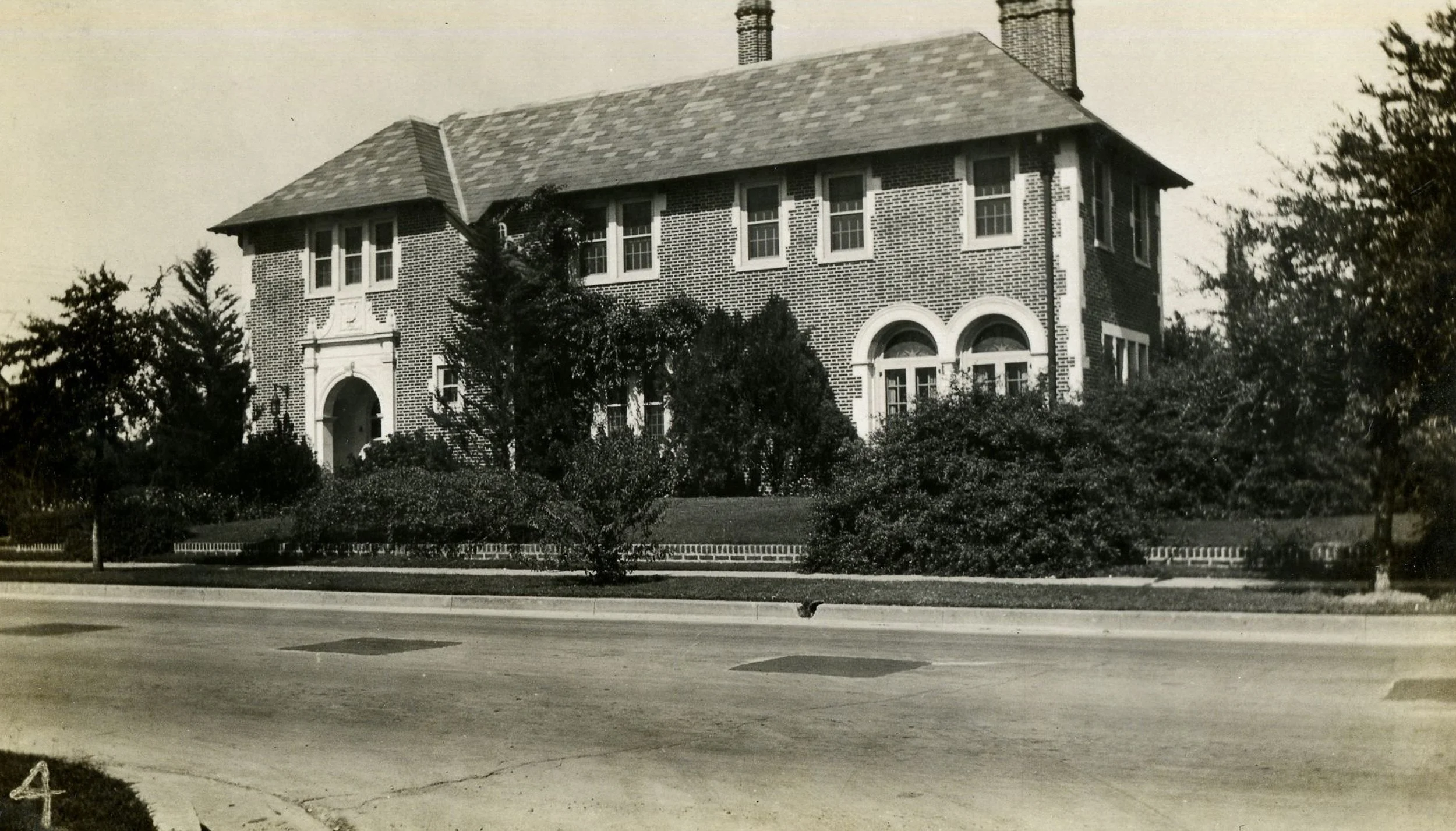
Originally 1138 Bissonnet (later 1128 and now 1150) soon after its completion in the 1920's
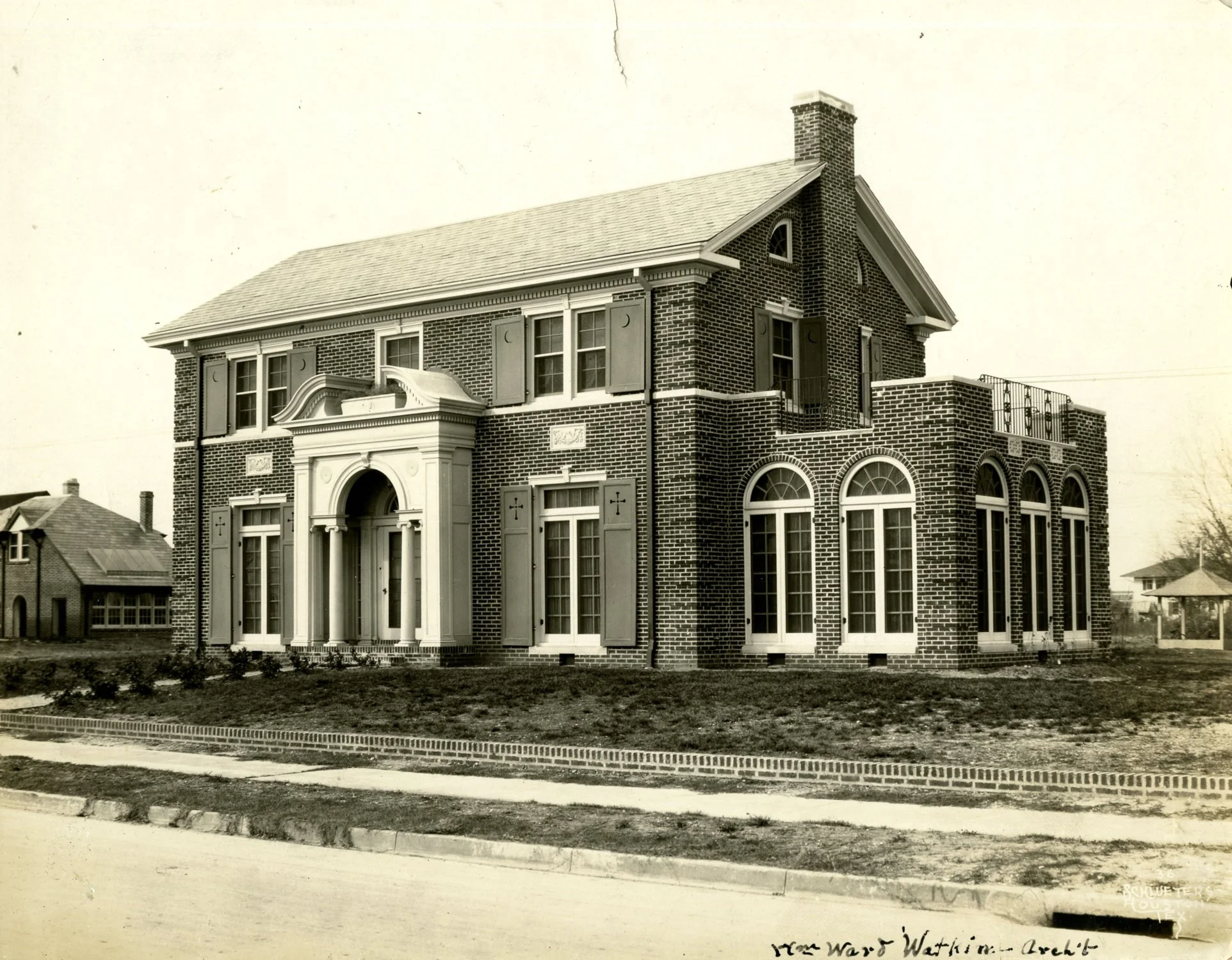
Originally 1122 Bissonnet (now 1150) soon after its completion in the 1920's
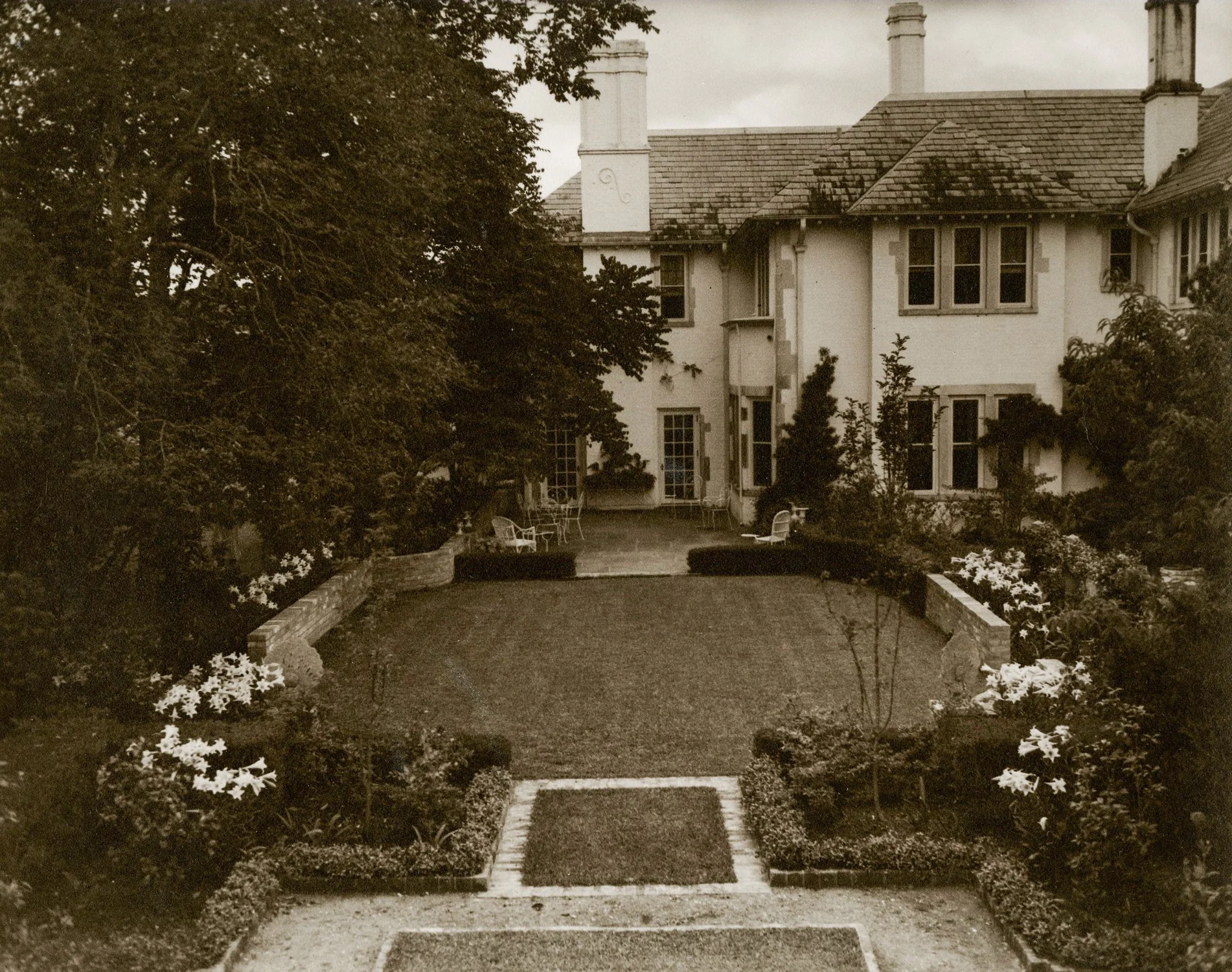
The garden's of 1138 after they were redesigned post WWII
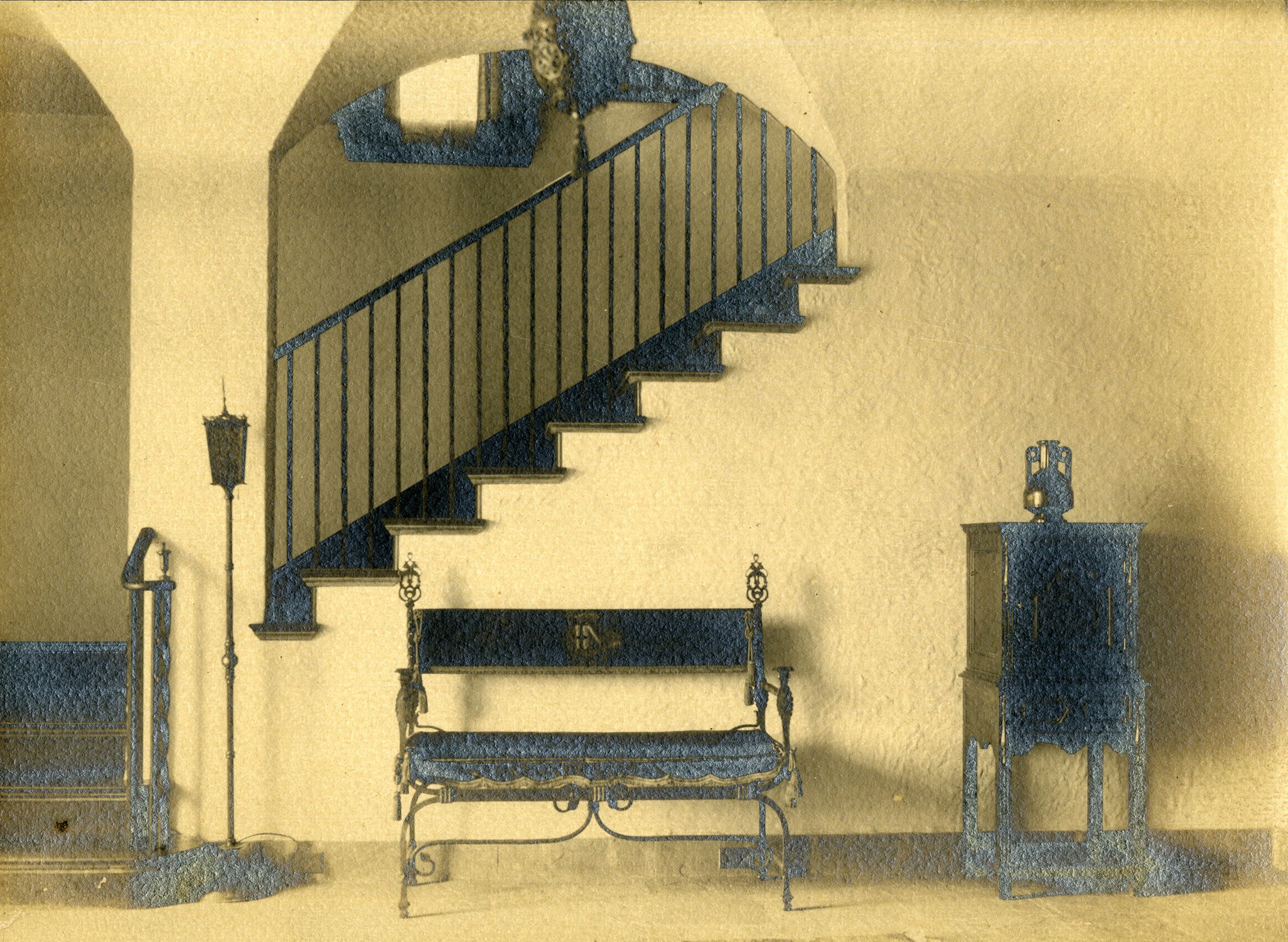
Interior entrance vestibule of 1138
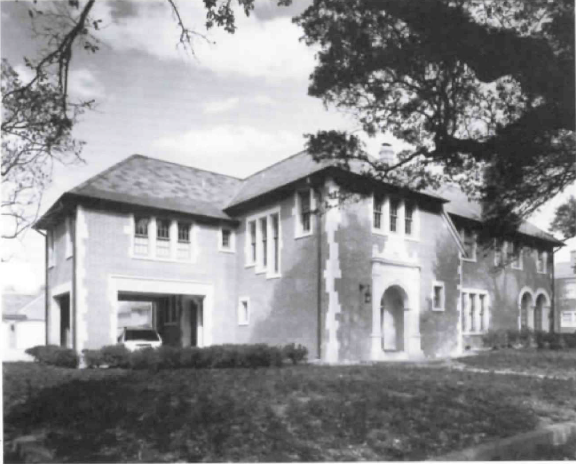
1128 in the 1980's after an extensive restoration
An Historic William Ward Watkin Property
The two buildings that will comprise HCP’s new campus were designed by prominent Houston architect William Ward Watkin, founder of Rice University’s Architecture Department in 1912. Beyond his academic leadership, Watkin shaped Houston’s early civic identity through landmark commissions, including the original Museum of Fine Arts, Houston, as well as numerous educational, residential, and cultural buildings.
Constructed in the early 1920s, the buildings at 1122 and 1128 Bissonnet (collectively 1150 Bissonnet) have been carefully renovated and remain in excellent condition. Their preservation safeguards a rare Watkin-designed ensemble within Houston’s Museum District while returning these historic structures to active public use. The property's connection to photography also predates HCP: in the 1970s, photographer Geoff Winningham operated a gallery in one of the buildings, where he exhibited and sold prints by influential photographers including Ansel Adams and Robert Frank, establishing the site as an early destination for fine-art photography in Houston.
For HCP, stewarding a Watkin property represents both architectural preservation and cultural investment. Photography is fundamentally tied to memory, documentation, and heritage; activating these buildings extends HCP’s mission into Houston’s built environment, creating a place where contemporary artistic practice exists alongside the city’s layered history.
The acquisition ensures these properties remain publicly accessible cultural resources rather than private or commercial assets, strengthening arts education and community engagement. It also places HCP within Houston’s broader network of architecturally significant institutions, including the Museum of Fine Arts, Houston, The Menil Collection, and Contemporary Arts Museum Houston. A Houston-founded organization preserving the work of one of the city’s defining architects creates a powerful throughline connecting Houston’s past, present, and future.
Watkin’s broader legacy includes landmarks such as the Julia Ideson Building, historic facilities at Emancipation Park, the John G. Logue House, and planning contributions to the Broadacres and West Eleventh Place historic districts—evidence of his lasting influence on Houston’s cultural and urban landscape.