
Venessa Monokian
Sprawl
September 17 - October 18, 2026
© Venessa Monokian
© Venessa Monokian
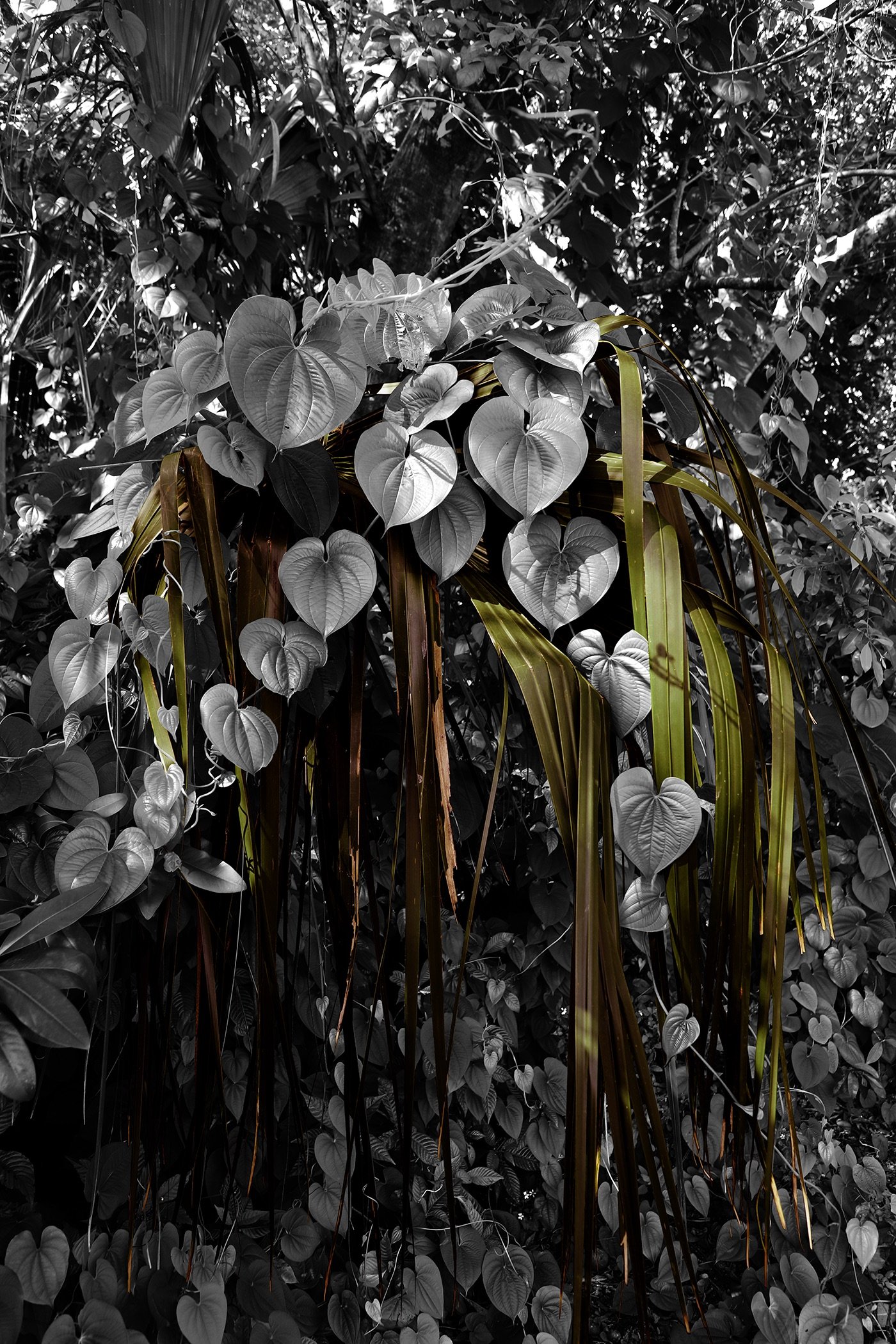
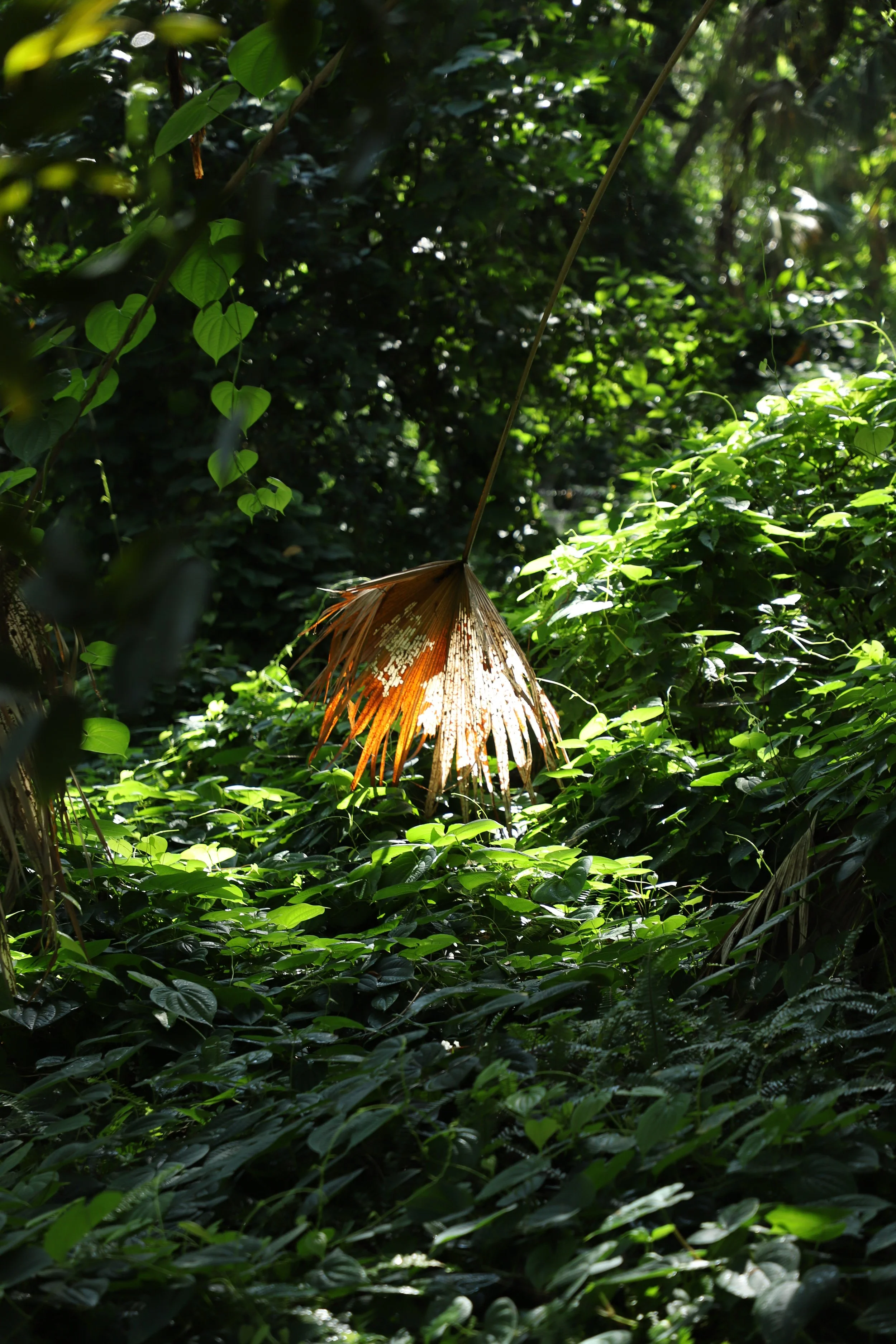
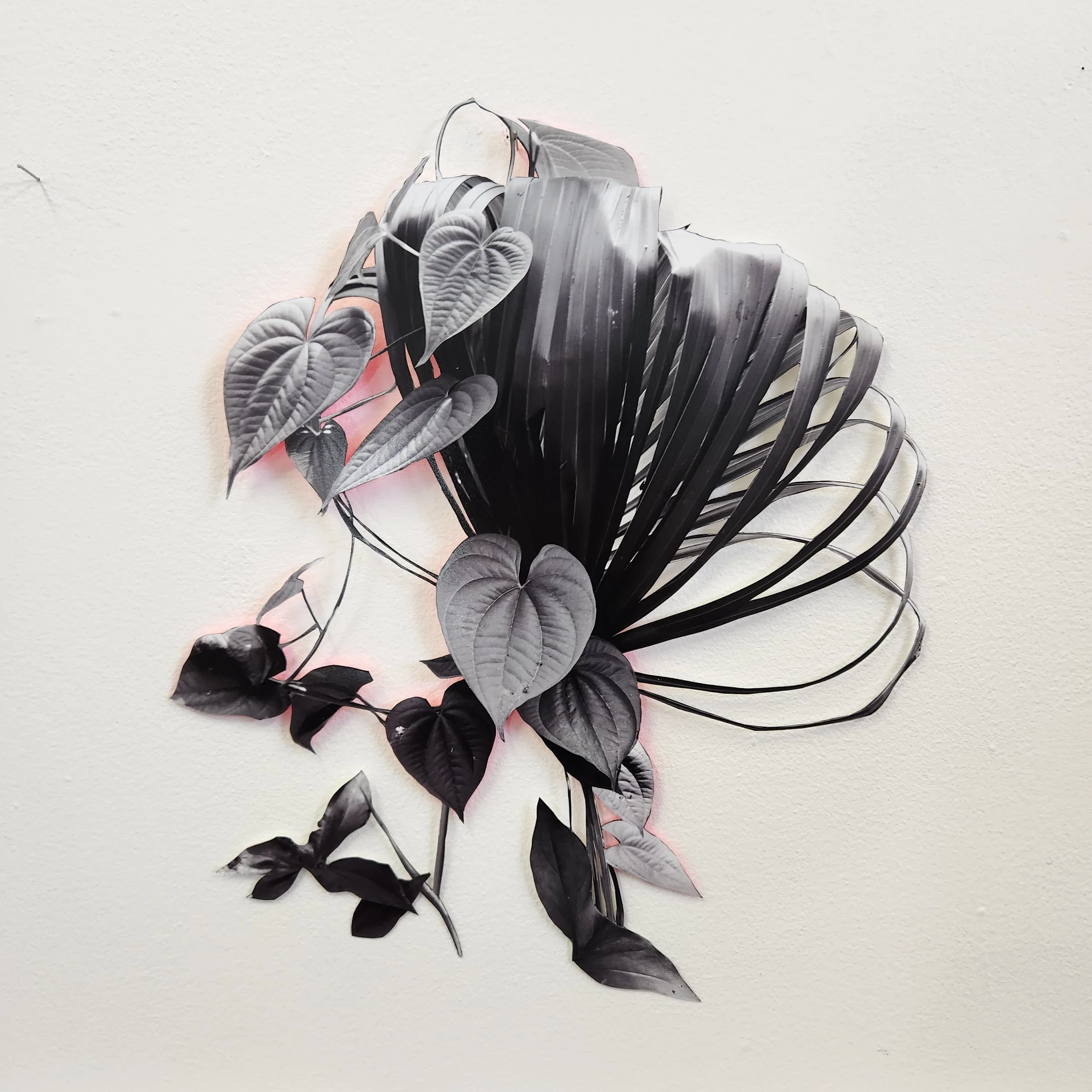
On a nature walk on a visit to my hometown of Miami, Florida, I found myself in what I can only describe as a magical fairy forest. Lush and green, the light streaming in to illuminate miles and miles of heart shaped vines. The vine enveloped every bush, palm, and even climbed to the tops of trees. What initially felt magical started to feel odd. I didn’t recognize this vine from my childhood, and its loving embrace seemed to be suffocating. I later learned that this was an invasive species called air potato vine (Dioscorea bulbifera). The reality is, the vine was choking everything in its path. This vine found its way, not just to South Florida, but also to my new home in southeastern Texas. Invasive species like this one are often cultivated because of their beauty. When misplaced, they kill the native plants and throw off a natural balance.
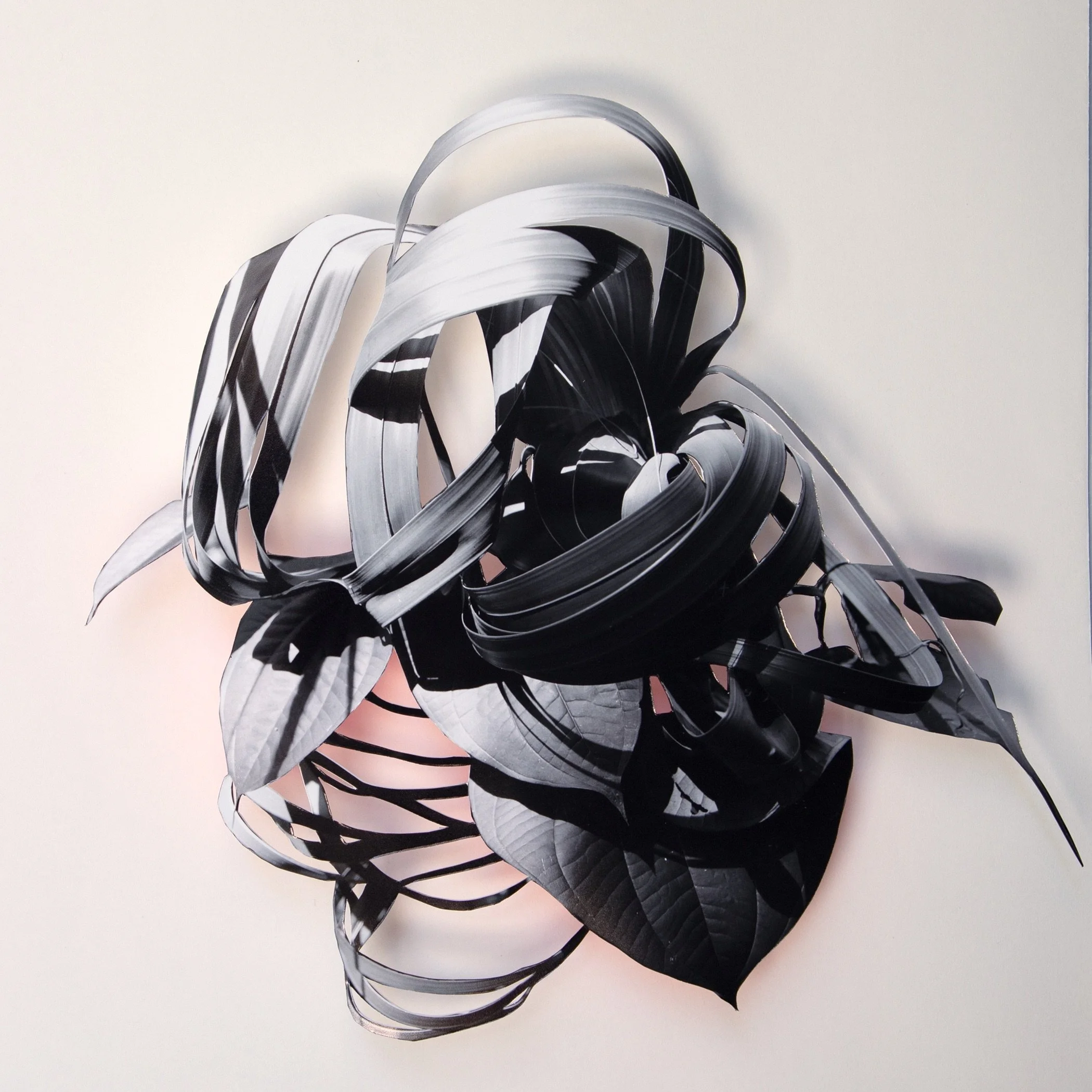
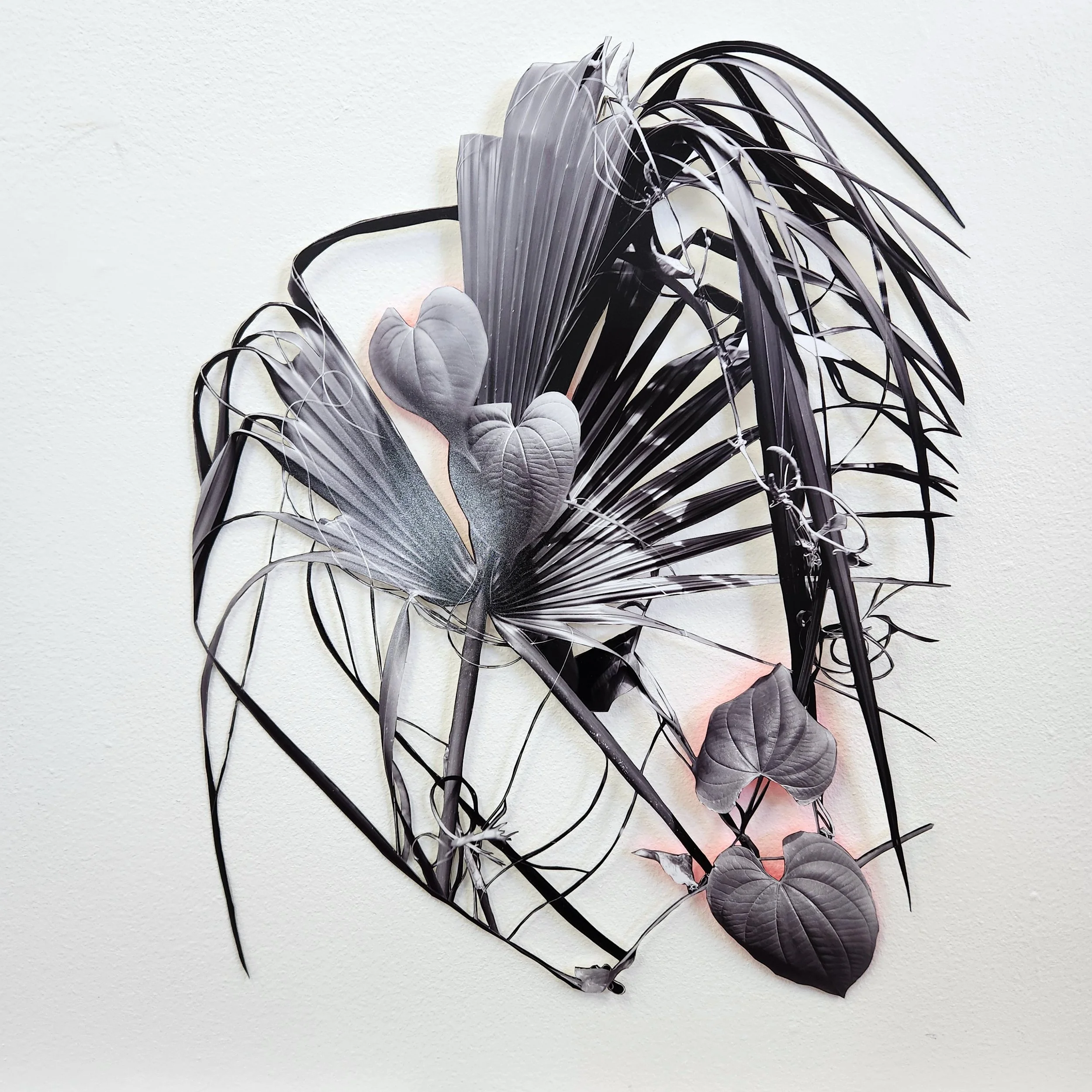
Standing in miles and miles of vines, I was overwhelmed by how this one plant has so harmed two cities I call home. To create this work, I cut away most of the photographs I took of the plants, so the vine and its victim are isolated. Colorizing the shadow areas of the image where the air potato vine is positioned, highlights it. I deliberately picked a neon pink color because the unnatural tone acts as an almost toxic visual marker.
The initial visual effect is awe and enchantment, similar to my own first reaction to the air potato. Then the work lures the viewer to think more deeply about their relationship to our ecosystems. It highlights the way human action to create beauty without forethought harms our familiar environments. It also brings to mind the ways we harm our bodies to meet beauty standards, and how human desire for convenience, comfort, and aesthetics have worsened climate change. But while it’s hard to imagine our individual impact on climate change, the idea of learning about, and responding to, invasive species as a way to support ecosystems is more manageable. This work guides people to engage visually with these overwhelming issues on a smaller scale.
With As the Grow Glows, the aim is to examine the fragility of our ecosystems and expose the irrevocable damage that one pretty plant can cause while also looking at the ways we are rooted in our homes through familiar landscapes.
Opening Reception
Thursday, September 17, 2026 from 6:15 - 8:00 PM
—
Durante una caminata por la naturaleza en una visita a mi ciudad natal, Miami, Florida, me encontré en lo que solo puedo describir como un bosque mágico de hadas. Exuberante y verde, la luz se filtraba entre la vegetación e iluminaba kilómetros y kilómetros de enredaderas con hojas en forma de corazón. La enredadera envolvía cada arbusto, cada palmera e incluso trepaba hasta las copas de los árboles. Lo que al principio parecía mágico empezó a sentirse extraño. No recordaba haber visto esta planta durante mi infancia, y su aparente abrazo afectuoso parecía, en realidad, asfixiante. Más tarde descubrí que se trataba de una especie invasora conocida como bejuco de papa aérea (Dioscorea bulbifera). La realidad era que esta enredadera estaba sofocando todo lo que encontraba a su paso. No solo llegó al sur de Florida, sino también a mi nuevo hogar, en el sureste de Texas. Especies invasoras como esta suelen cultivarse por su belleza, pero cuando son introducidas fuera de su entorno natural, destruyen la flora nativa y alteran el equilibrio de los ecosistemas.
De pie entre kilómetros y kilómetros de enredaderas, me sobrecogió pensar en cómo una sola planta había causado tanto daño en dos ciudades que considero mi hogar. Para crear esta obra, recorté la mayor parte de las fotografías que tomé de las plantas, de modo que la enredadera y su víctima quedaran aisladas. Al colorear las zonas de sombra de la imagen donde aparece la papa aérea, la hago resaltar. Elegí deliberadamente un rosa neón porque ese tono antinatural funciona como un marcador visual casi tóxico.
El efecto visual inicial es de asombro y fascinación, similar a mi primera reacción al encontrarme con la papa aérea. Después, la obra invita al espectador a reflexionar con mayor profundidad sobre su relación con nuestros ecosistemas. Pone de relieve cómo las acciones humanas, motivadas por el deseo de crear belleza sin prever sus consecuencias, terminan dañando los entornos que nos resultan familiares. También evoca las formas en que dañamos nuestros propios cuerpos para ajustarnos a determinados ideales de belleza, y cómo el deseo humano de comodidad, conveniencia y atractivo estético ha contribuido a agravar el cambio climático. Sin embargo, aunque resulta difícil imaginar el impacto de nuestras acciones individuales sobre el cambio climático, aprender sobre las especies invasoras y actuar para controlarlas como una forma de apoyar a los ecosistemas es un objetivo mucho más tangible. Esta obra propone una manera de acercarse visualmente a estos problemas abrumadores desde una escala más accesible.
Con As the Grow Glows, el propósito es examinar la fragilidad de nuestros ecosistemas y poner en evidencia el daño irreversible que una sola planta hermosa puede provocar, al mismo tiempo que explora las formas en que nuestras raíces se entrelazan con los lugares que llamamos hogar a través de los paisajes que nos son familiares.
About the Artist: Venessa Monokian
Venessa Monokian is a Houston-based artist whose work investigates the relationship between the physical environment and the psychological experience of space. Working across photography, sculpture, installation, and interactive media, she creates works that extend beyond the tangible, inviting viewers to become active participants in the formation of meaning. Through physical engagement, her installations explore perception, memory, and the shifting boundaries between the natural and constructed worlds.
Recent and forthcoming projects include participation in an artist book exhibition at Cornell University and a two-person exhibition title PLAY > with the Throughline Collective (2026). In 2025, her work was featured in CraftTexas 2025 at the Houston Center for Contemporary Craft, and she completed an Instagram takeover for the Magenta Foundation. In 2024, she received the Jones Artist Award from the Houston Endowment for the Arts.
Originally from Miami, Florida, Monokian earned both her MFA from Florida International University. She is a member of Box 13 ArtSpace and the Throughline Collective in Houston. Her work has been exhibited nationally and internationally at venues including Met/Gal (Austin), the Contemporary Arts Center (New Orleans), MAC Fine Art (Fort Lauderdale), the Academy of Fine Arts in Poland, and Panal 361 in Argentina.
—
Venessa Monokian es una artista radicada en Houston cuya práctica investiga la relación entre el entorno físico y la experiencia psicológica del espacio. Trabajando con fotografía, escultura, instalación y medios interactivos, crea obras que trascienden lo tangible e invitan al espectador a convertirse en un participante activo en la construcción de significado. A través de la interacción física, sus instalaciones exploran la percepción, la memoria y los límites cambiantes entre el mundo natural y el construido.
Entre sus proyectos recientes y próximos se encuentran su participación en una exposición de libros de artista en la Universidad de Cornell y la exposición bipersonal PLAY >, junto al Throughline Collective (2026). En 2025, su obra formó parte de CraftTexas 2025 en el Houston Center for Contemporary Craft y realizó una toma de control de Instagram (Instagram Takeover) para la Magenta Foundation. En 2024, recibió el Jones Artist Award otorgado por Houston Endowment for the Arts.
Originaria de Miami, Florida, Monokian obtuvo su Maestría en Bellas Artes (MFA) en la Florida International University. Es miembro de Box 13 ArtSpace y del Throughline Collective en Houston. Su trabajo ha sido expuesto tanto a nivel nacional como internacional en instituciones y espacios como Met/Gal (Austin), el Contemporary Arts Center (Nueva Orleans), MAC Fine Art (Fort Lauderdale), la Academia de Bellas Artes de Polonia y Panal 361, en Argentina.
Questions?
For questions about this exhibition, please contact Exhibitions
Exhibitions and Programs Coordinator, exhibits@hcponline.org or 713-529-4755, ext 106.