
Makenzie Goodman
What Returns
Carol Crow Fellowship Recipient
November 19 - December 20, 2026
© Makenzie Goodman
Artist Panel Conversation
November 29, 2026 from 5:30 - 6:15 PM
Opening Reception
November 19, 2026 from 6:15 - 8:00 PM
© Makenzie Goodman
Meandering through archived materials stored in natural history collections including glass slides, taxidermy, preserved animals, and minerals, Extant Eorions poises the natural history museum as a prism through which we refract our human understandings of nature, land, and time. I examine the natural history institution as an important space for the general public to remember extinct and extant life, but also an insufficient and even perverse gesture to “save”.
This exhibition and accompanying artist book spans three modes of working. In the first, I construct still life photographs with taxidermy and animal specimens housed in museum collections. To make these images, I position specimens and printed backdrops before my camera to construct still life tableaus that I call fictional habitat dioramas. Some of the backdrops contain imagery of wildfire-smoke-filled skies or Hudson River School paintings that romanticize and fictionalize the landscape. These images demonstrate not only my fear about our environmental futures, but also a sense of sublime awe about the mystery of what’s to come.
Secondly, I scanned and reworked a collection of glass lantern slides that are housed in the geology collection at the University of New Mexico and were used by Prof. Stuart A. Northrop to teach geology and paleontology 100 years ago. They are lost to time and none of the current faculty know anything about them. I scanned the collection, re-fabricated them as larger, 8x10 glass slides, and displayed them on a custom 3x6 ft light table that I built, as well as in light boxes on the wall.
In my third mode of working, I talk back to the slide collection by adding images from my own personal photo archive to the 8x10 glass slides. This method engages with Dr. Nancy Marie Mithlo’s “talking back methodology” wherein Native artists are disrupting institutional archives by remixing the archive’s materials. The personal images I added to the slides include pictures of reptiles and amphibians made by my biologist dad and I over the last 30 years.
I exhibit this work in custom frames and install the framed prints on top of photo wallpapers. The function of the wallpapers is to engulf the audience in a particular environment and turn the gallery into a suggestion of a diorama, which implicates the audience as the diorama’s subjects.
In the book, the images are paired with text collected from many biologists and ecologists writing about extinction, the changing environment, and the future. Together, the disparate writers create a vaguely united, institutional voice discussing the qualities and phenomena of our deteriorating ecosystems. The scans of the glass slides are printed on narrow vellum sheets so that they retain their translucent quality within the book. The book was designed by Nicole Lavelle to evoke the form of mid-century field guides and technical manuals.
Together, the still life photographs, backlit slides, and wallpapers leap across time, asking us to consider how animal preservation, dioramas, and photo documentation shape our perception of the natural world. Through witnessing, capturing, cataloging, and preserving, we wrestle with describing nature—first to create meaning, and now to remember what we are rapidly losing. Both in terms of large format film photography and natural history collections, this work is about things slipping away and our gestures to hold on.
About the Artist: Emma Ressel
Makenzie Goodman is a research-based artist and educator whose practice spans photography, video, installation, and archival investigation. Her work explores the intersections of land use, ecology, power structures, history, and myth and often arises from artistic and community collaboration. She received her MFA from Brooks Institute (2015) and her BA from the University of Delaware (2008). She was selected for the Summer School: State of the Sky research cohort at the Mattress Factory, was a 2024 artist resident at Stove Works, and was awarded a full donor- funded artist's fellowship at Byrdcliffe Art Colony for summer 2026. Goodman teaches photography at Appalachian State University and lives on the unceded territories of the Cherokee, Yuchi, and Moneton peoples.
Questions?
For questions about this exhibition, please contact Exhibitions
Exhibitions and Programs Coordinator, exhibits@hcponline.org or 713-529-4755, ext 106.
Juror’s Statement: Natasha Egan
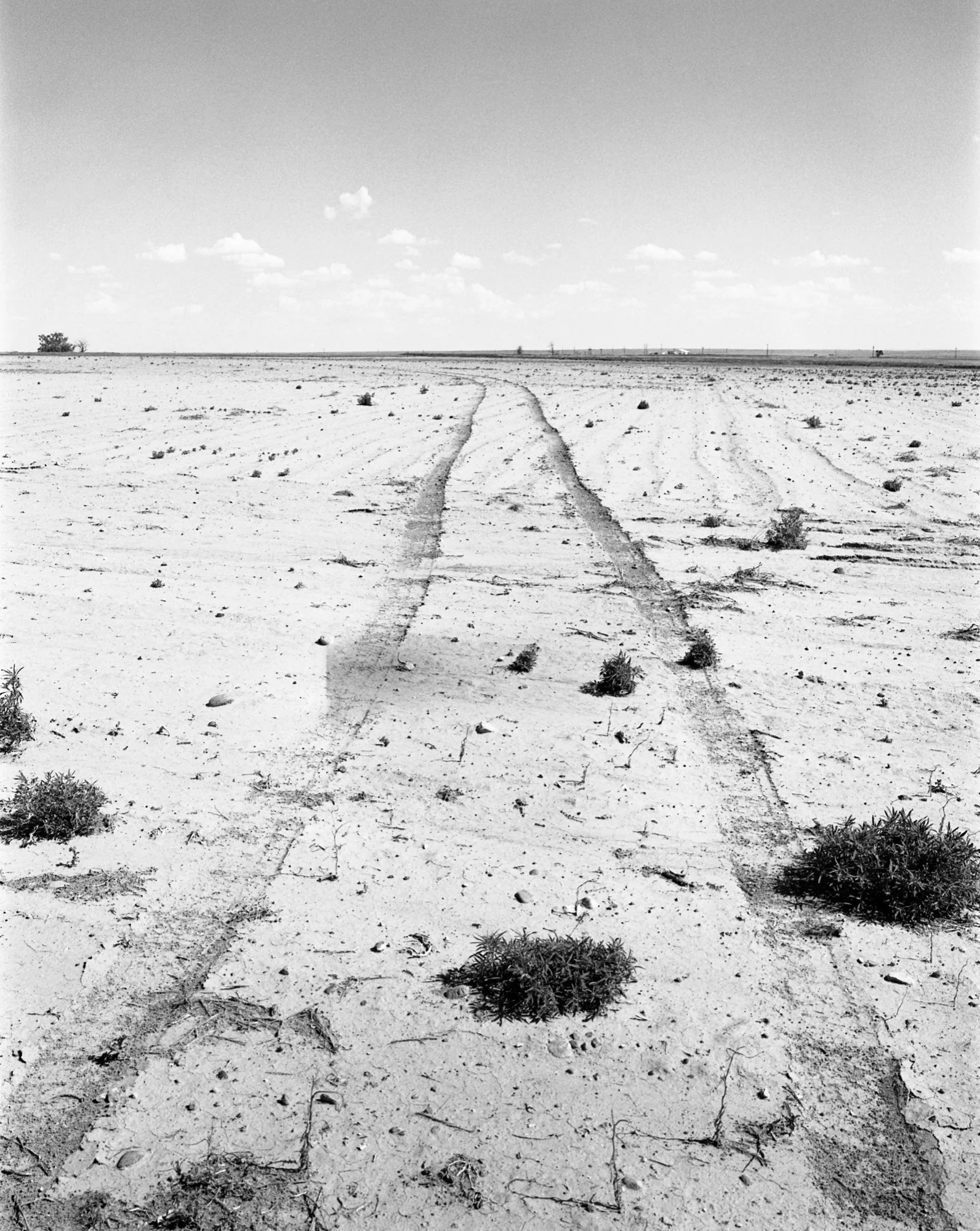
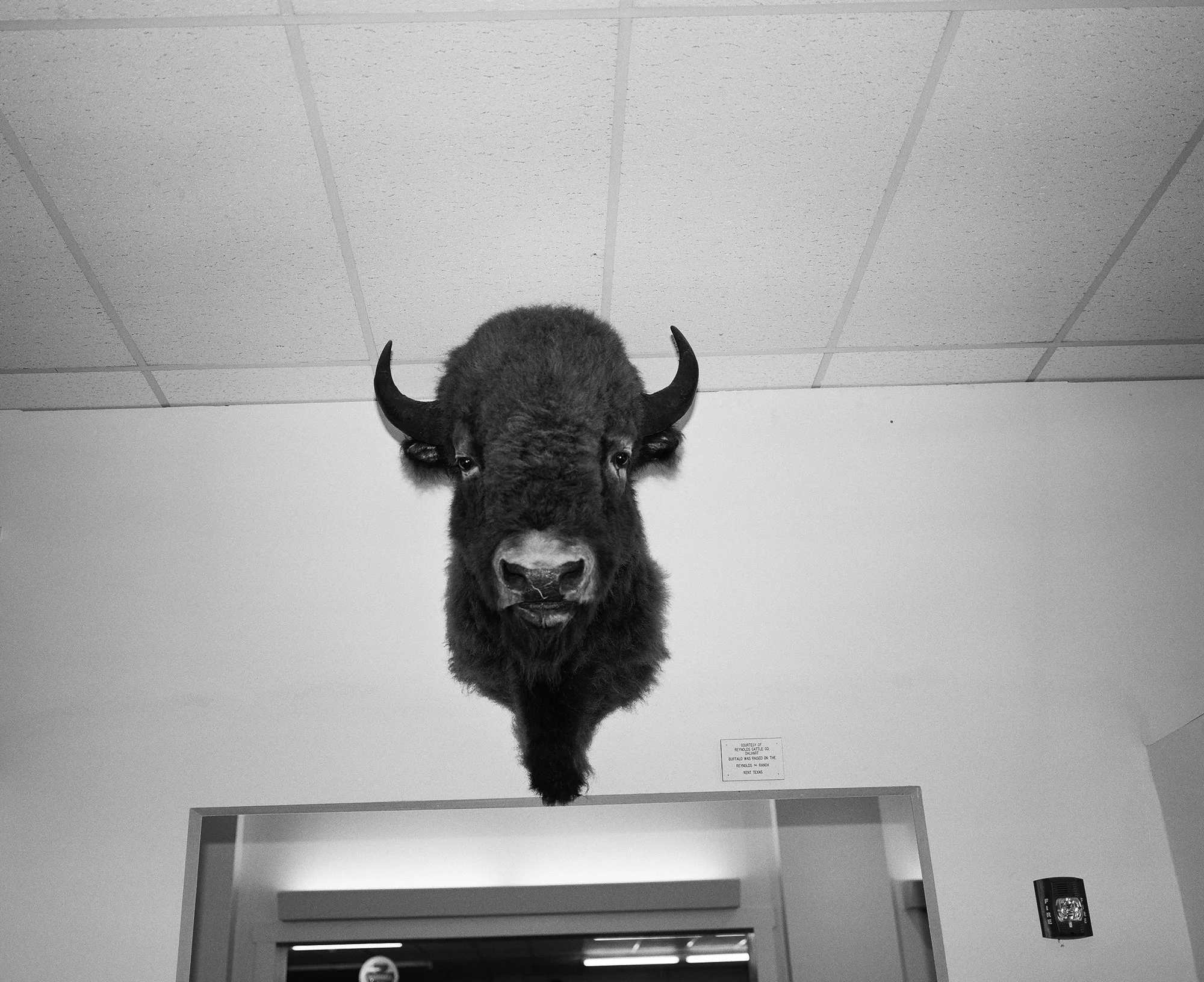
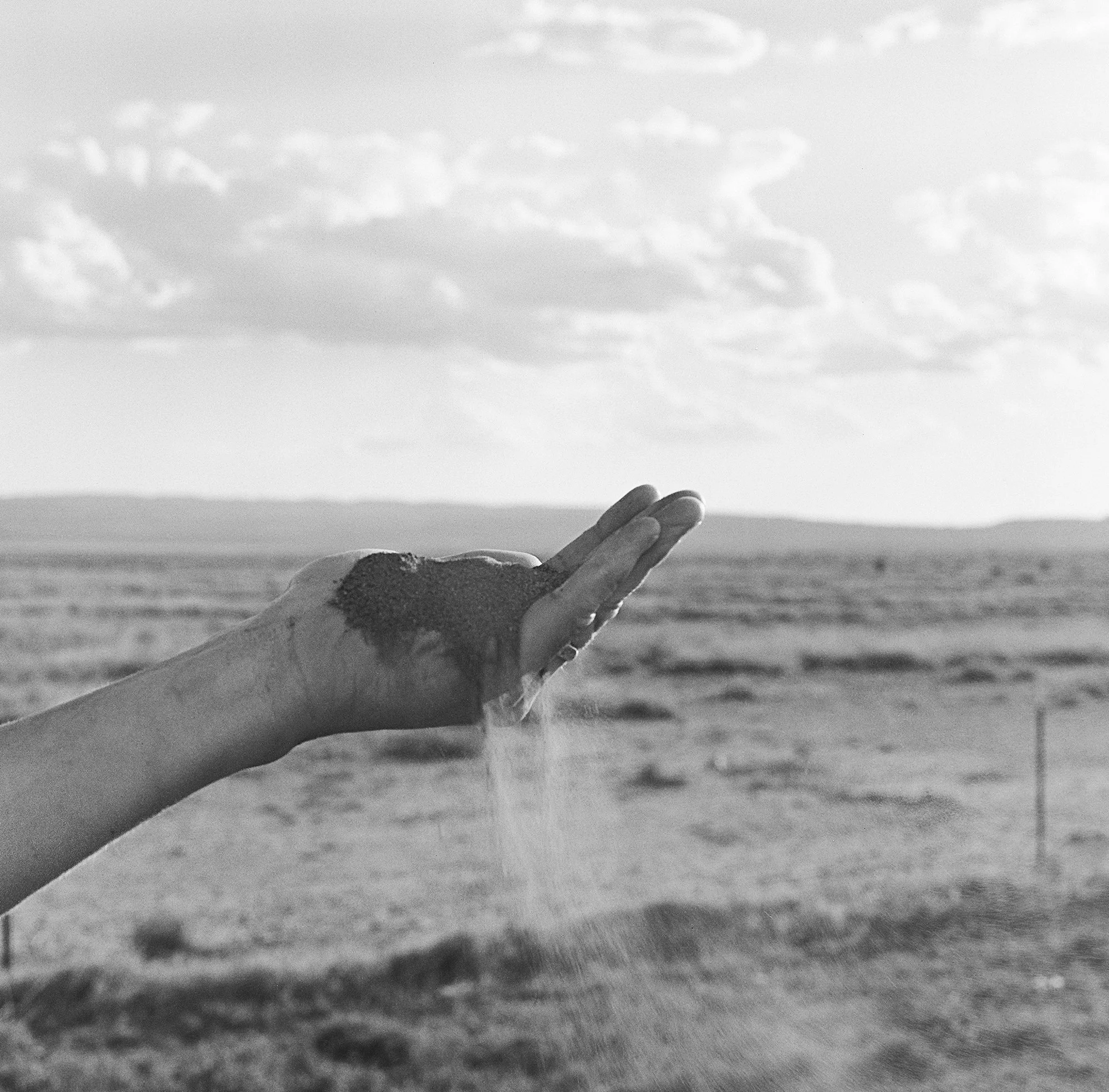
I was immediately drawn to the way Makenzie Goodman’s What Returns uses something as seemingly ephemeral as dust to explore much larger questions about land, history, environmental change, and human intervention. Dust travels across enormous distances, yet it is also specific to place, carrying traces of the landscapes and human actions that produced it. Goodman uses this tension to connect contemporary environmental conditions with histories of agriculture, extraction, displacement, and changing relationships to the land.
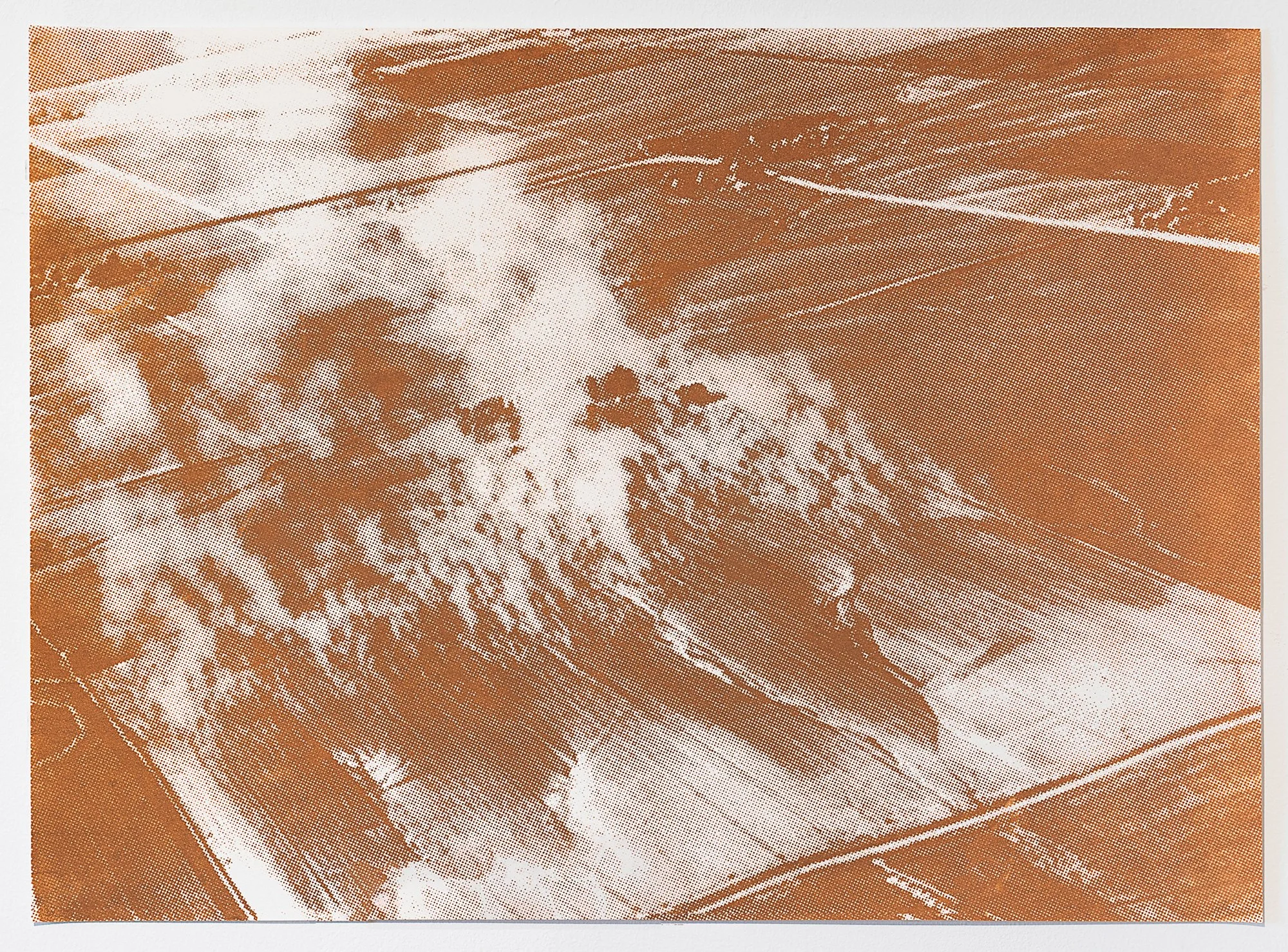
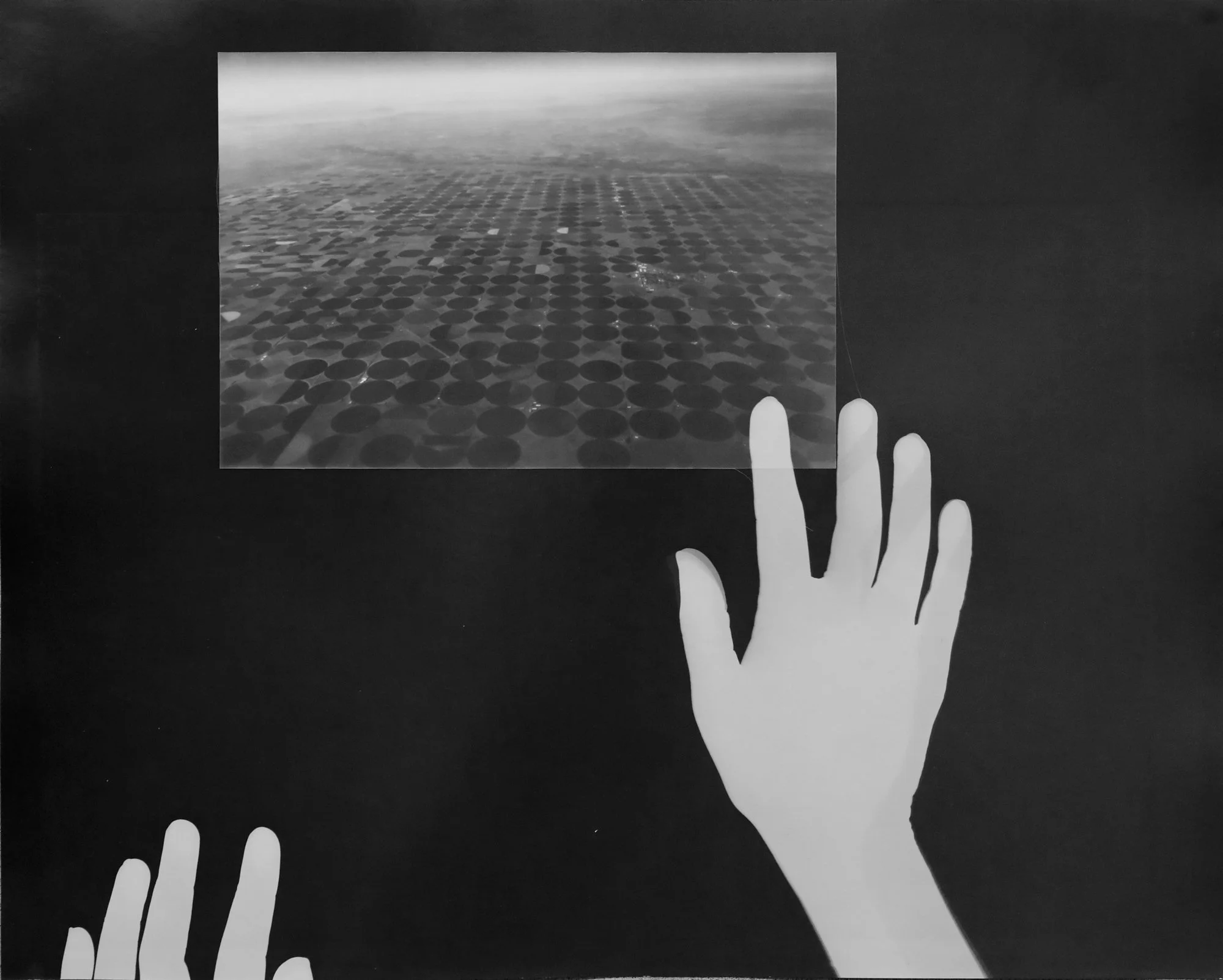
What I find particularly compelling is that dust is not simply the subject of the project, but a material Goodman uses to make the work. She combines medium- and large-format photographs made in regions experiencing desertification with darkroom photograms and archival images, and creates screenprints of historic dust storms using dust collected from the places depicted. In Fields After Plowing, Powers, CO, 1950s, for example, dust gathered near Powers, Colorado, becomes part of the image itself.
I was also struck by the way What Returns moves between past and present without treating environmental history as something settled or distant. Goodman’s combination of research, fieldwork, archival imagery, and experimentation with photographic processes gives the project both conceptual and material depth. Dust becomes a kind of archive, carrying evidence of what has happened to the land and reminding us that these histories continue to shape the landscapes we inhabit.
Declaración de Jurado: ARELIIIII
La serie Erosiones existentes de Ressel simultáneamente se deleita y desafía las metodologías científicas y las prácticas archivísticas para examinar cómo se crea, recopila y difunde el conocimiento. De niña, Ressel frecuentaba un pequeño museo de historia natural en Bar Harbor, Maine donde su padre era instructor de biología y creció observando exhibiciones de animales disecados y colecciones de especímenes preservados. Esta experiencia formativa de estar inmersa en un archivo la condujo a comprender las formas, tanto evidentes como sutiles, en que estos repositorios de conocimiento ordenan lo que se entiende sobre el mundo y preservan lo que ha pasado de él; una práctica que, al igual que la fotografía, busca detener el tiempo y mantenerlo en su lugar. La obra de Ressel combina fotografías de exhibiciones museísticas aumentadas y diapositivas históricas para analizar cómo las representaciones científicas de la flora y la fauna son, en sus palabras, "romantizadas y ficcionalizadas", y para considerar, además, cómo dichas imágenes determinan nuestra percepción del entorno y nuestra relación con él. Los deslizamientos en las imágenes de Ressel aluden a los vastos misterios del mundo natural y subrayan las limitaciones de lo que realmente podemos comprender sobre él.