
Lindsay Sparagana
Two Weeks of Winter
October 22 - November 15, 2026
© Lindsay Sparagana
© Lindsay Sparagana
© Lindsay Sparagana
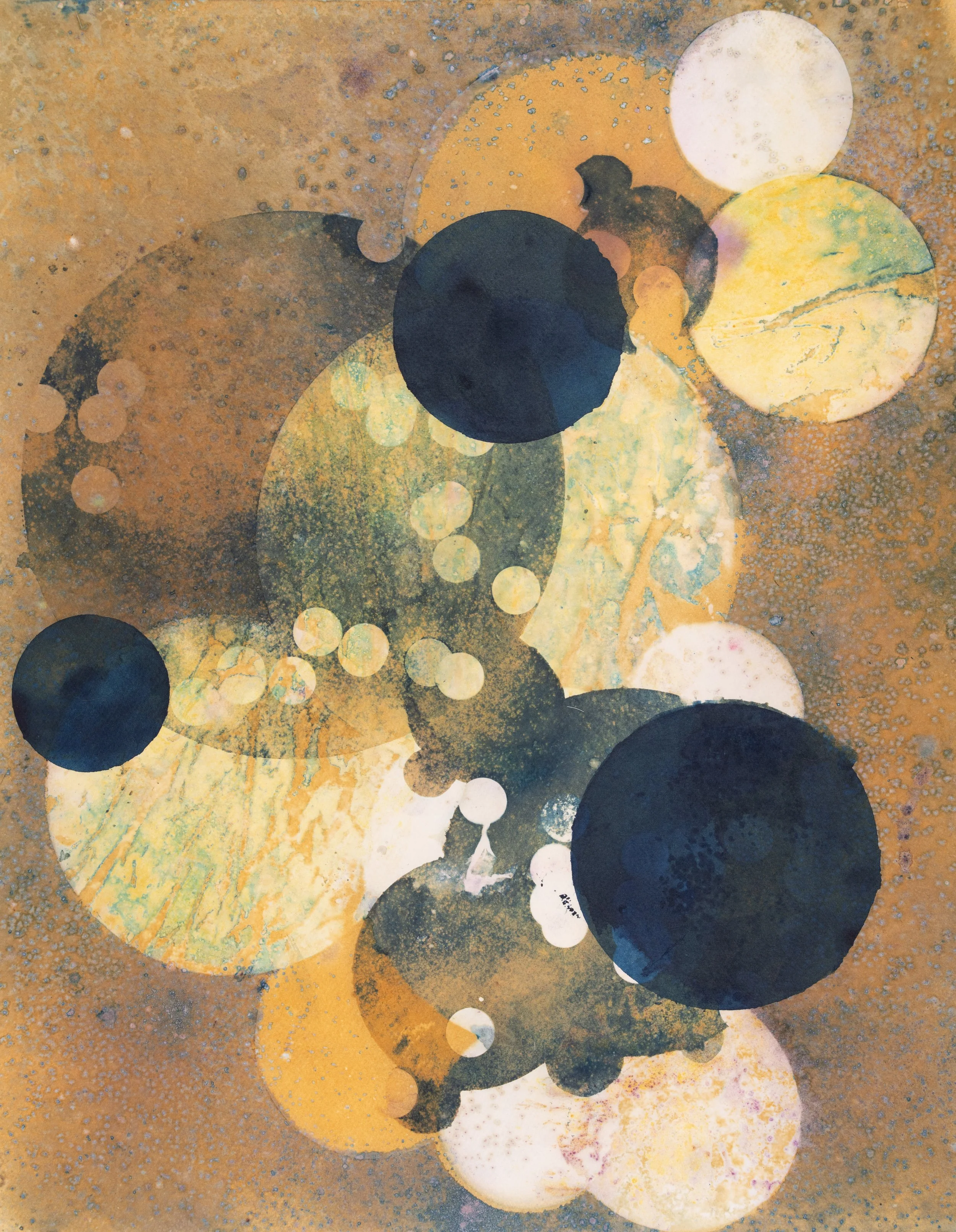
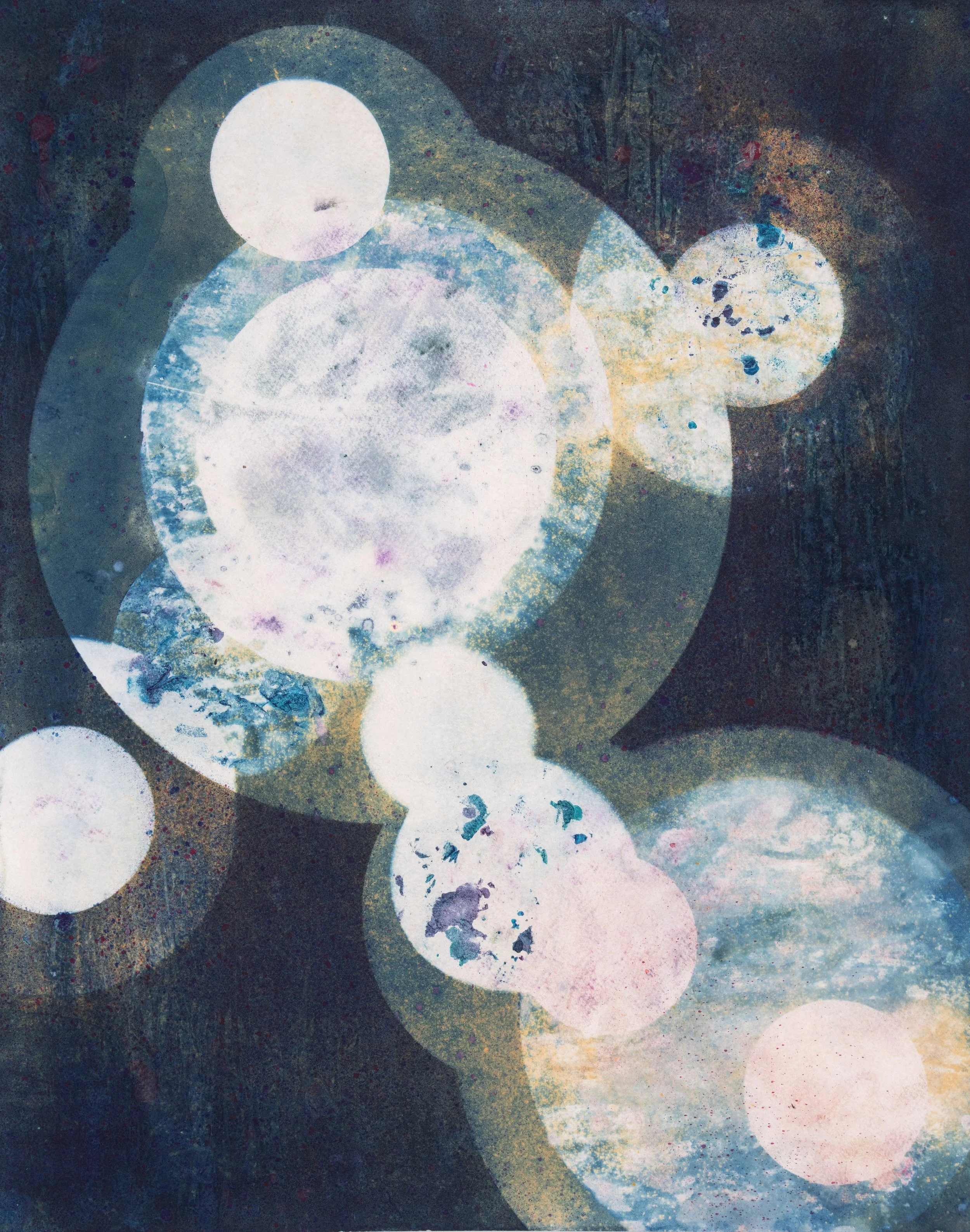
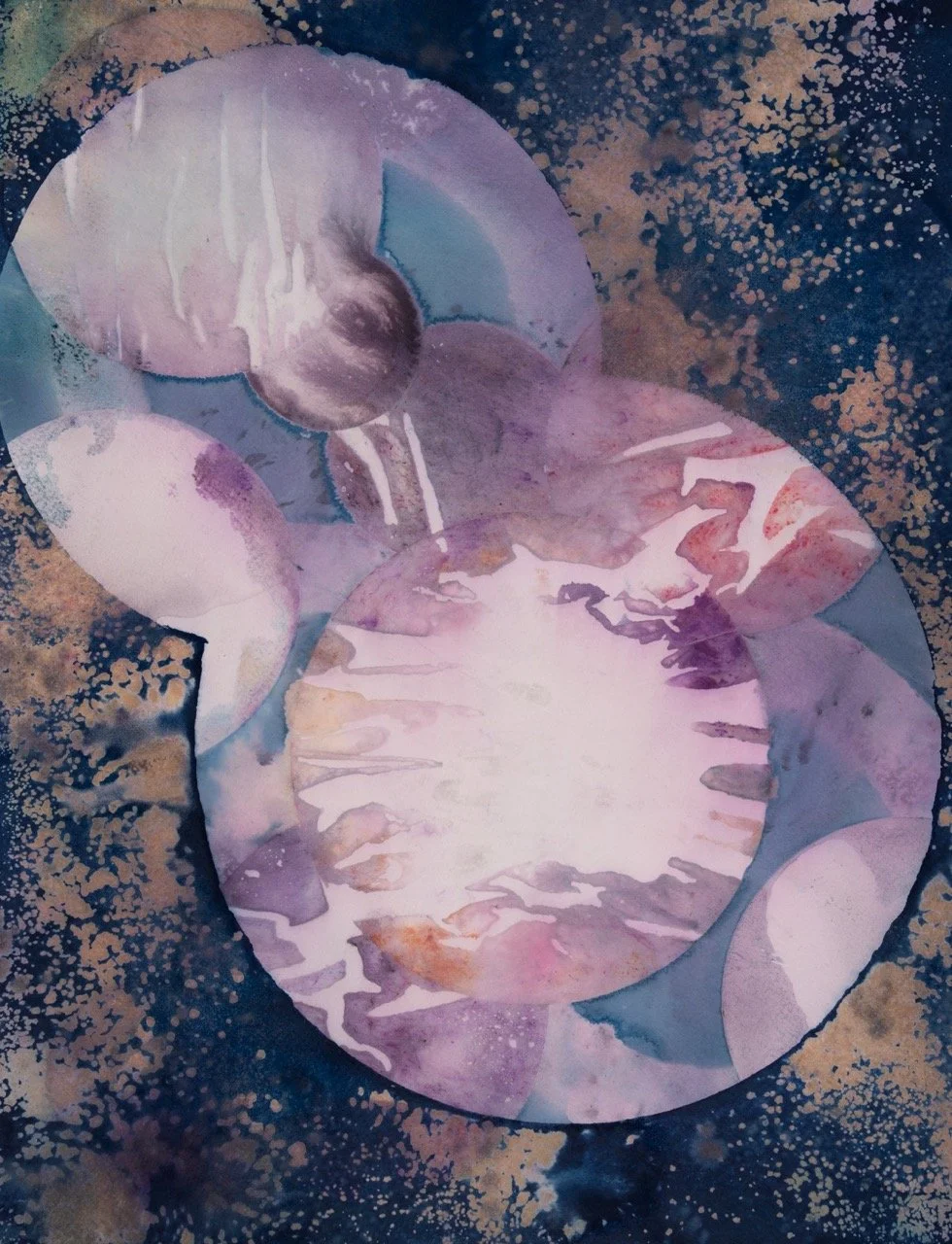
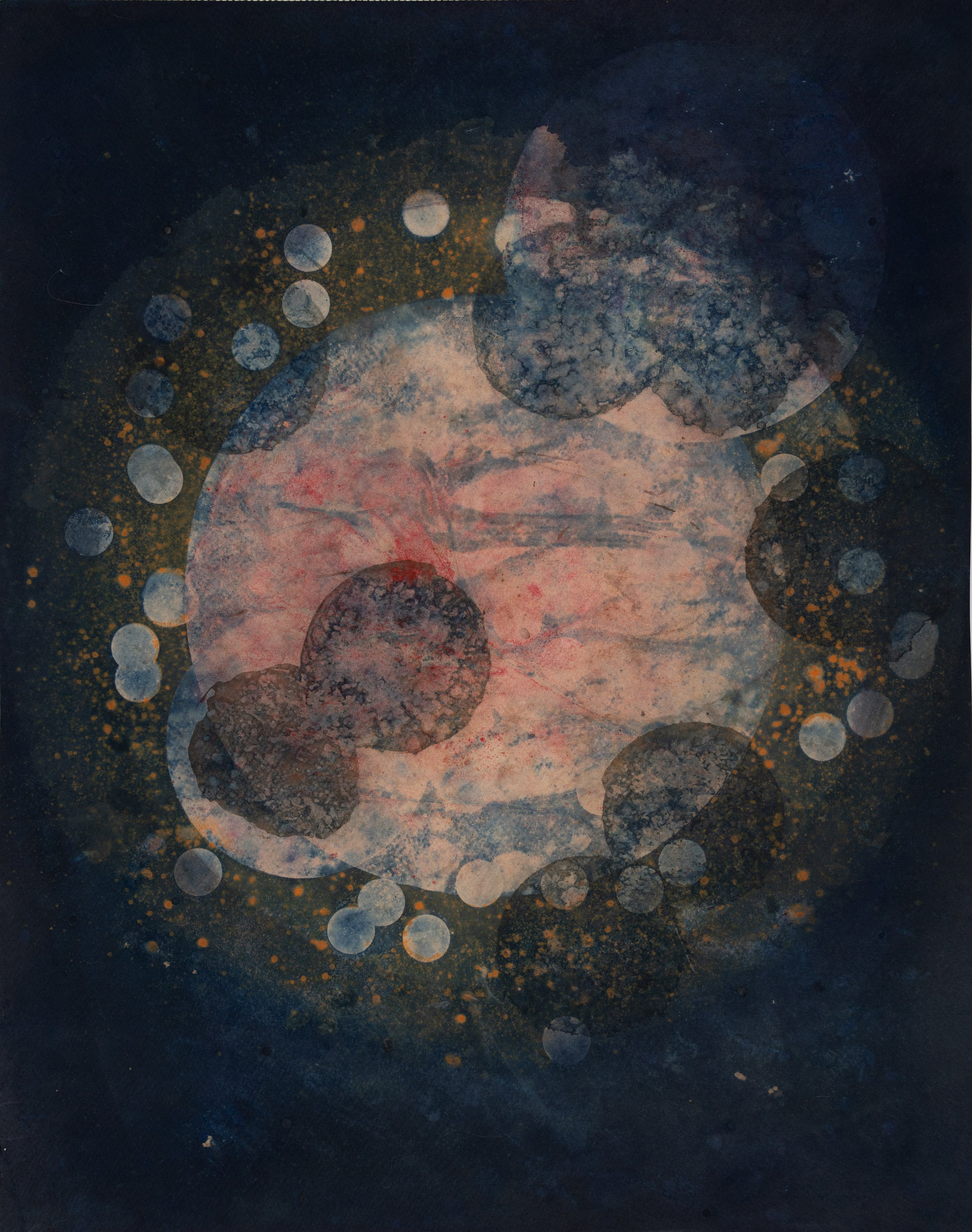
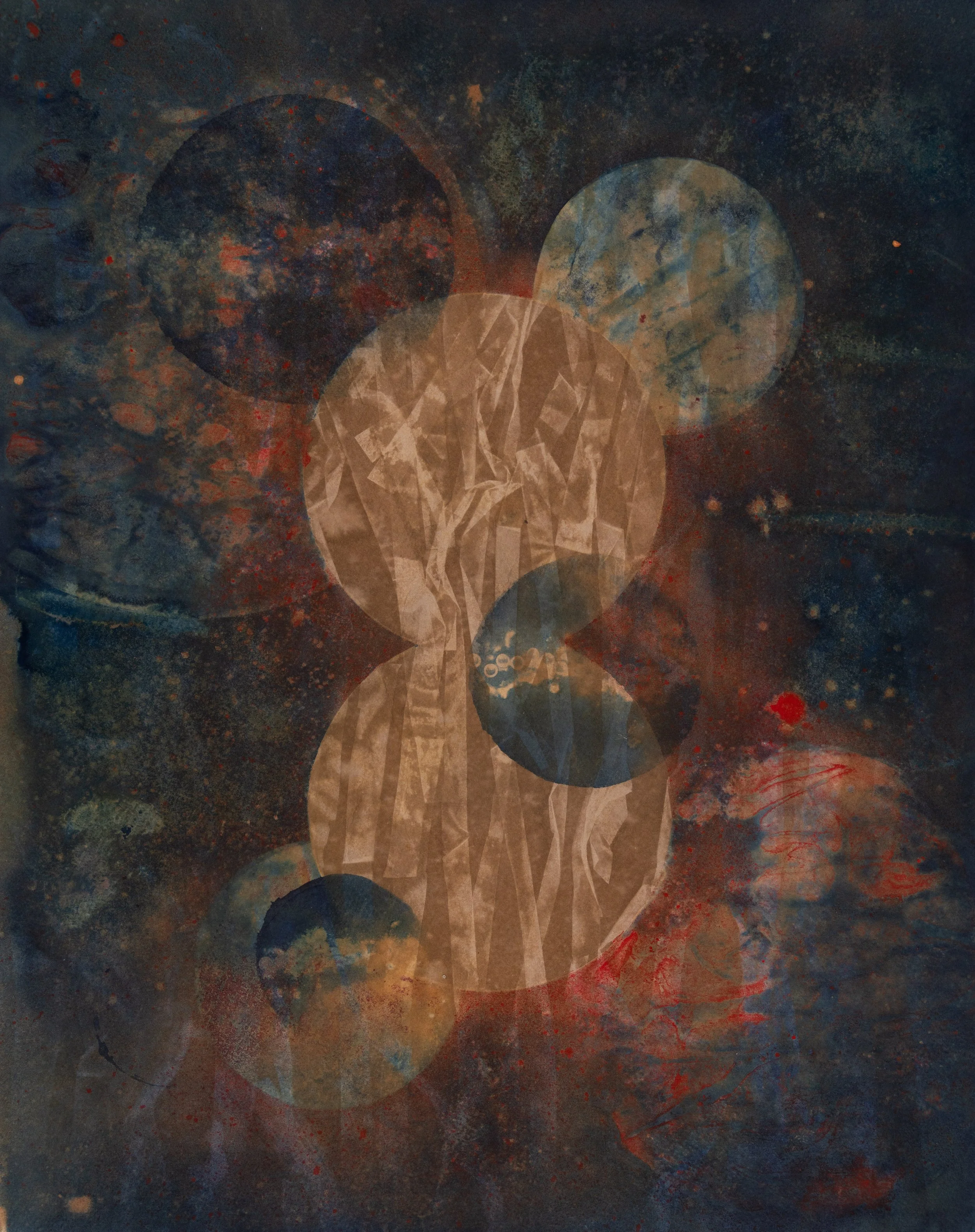
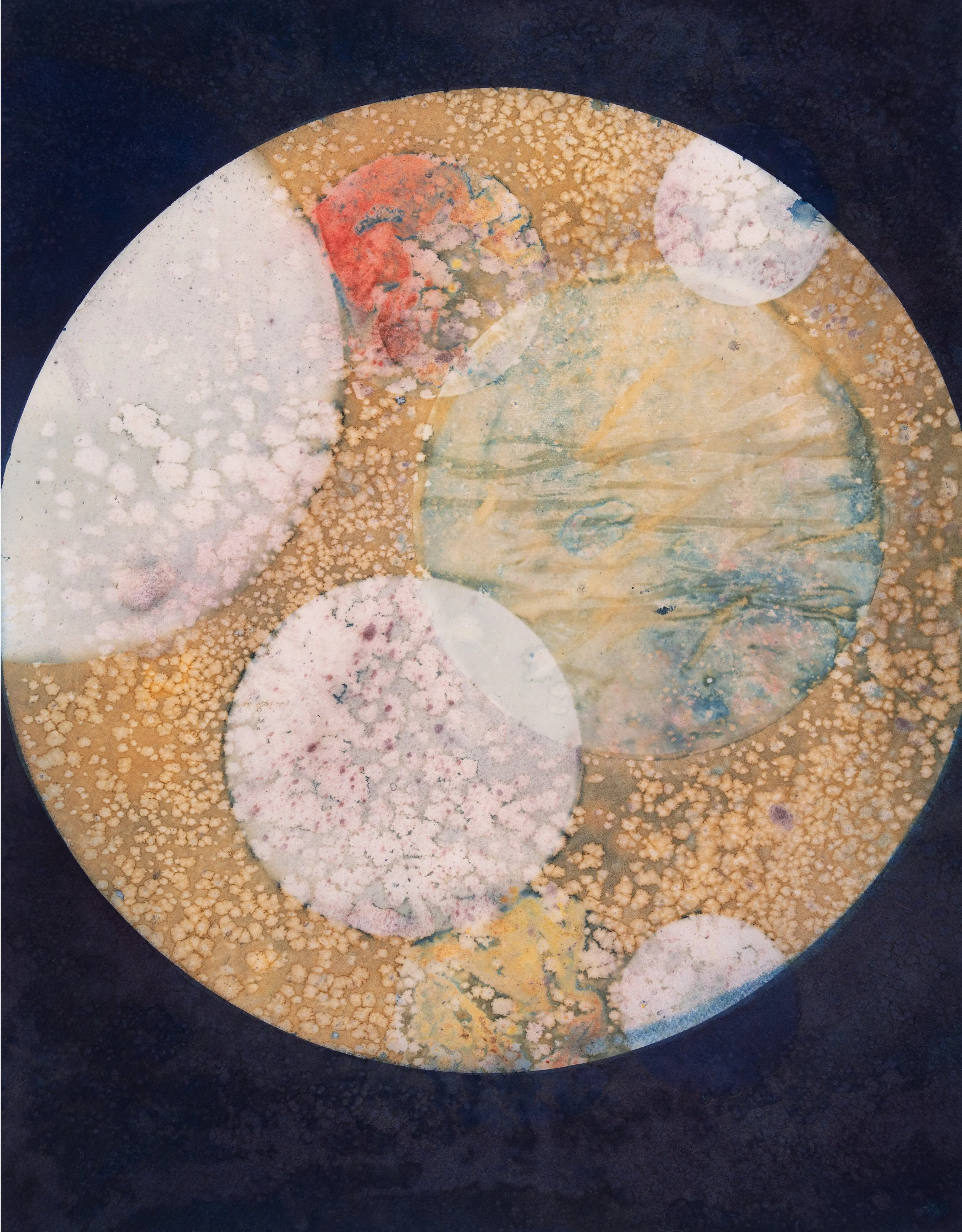
My work is grounded in tactile, process-driven practices that explore photography, printmaking, and mixed media. Two Weeks of Winter is a series of abstract photograms created through the wet cyanotype process, in which photographic chemistry is intentionally disrupted. By layering paper negatives and translucent materials onto sensitized paper and allowing the work to develop through prolonged outdoor exposures, each print becomes a record of intervention, transformation, and chance.
I began this body of work after moving to Houston, Texas, in 2024—a personal and creative threshold that required me to reconsider how I worked, what I needed mentally, emotionally and creatively during a life change. Houston’s intense heat and humidity became unexpected collaborators. As the paper remained outdoors for extended periods, sunlight, heat and humidity altered the chemistry and shifted the materials in ways I could not predict. Paper buckled and stained, chemicals pooled and moved, and carefully constructed layers were obscured or transformed. Rather than resisting these changes, I began to understand them as part of the work.
This shift in process became a way of thinking through transition itself. Moving to a new city meant leaving behind familiar routines and expectations while learning to inhabit an unfamiliar landscape. Similarly, each cyanotype begins with an intention that is gradually transformed by forces outside my control. I layer, expose, bleach, wash, and rework the surface, simultaneously building and erasing the image. What emerges is never entirely what I anticipated. The process asks me to accept that moving forward often means allowing something to disappear, change, or remain unresolved.
In this sense, Two Weeks of Winter is a meditation on the thresholds between one state and another: control and surrender, certainty and possibility, before and after. The work developed during a period in which I was learning to navigate a new environment, and the unpredictability of the process offered a productive parallel. After living in Philadelphia for twenty years, I chose to trust transformation and embrace a growth mindset—to recognize that the unexpected can be generative and that a loss of control can create room for something new, in my life and in my artwork.
The title Two Weeks of Winter also gestures toward impermanence. In Houston, where winter can be fleeting and difficult to define, time and season feel less fixed. The title emerged from a phrase I often heard repeated by Houstonians and evokes a temporary state—a brief interval between what has been and what is coming next. The works similarly occupy an in-between space, holding traces of their previous states while remaining open to further transformation.
Ultimately, Two Weeks of Winter reflects on what becomes visible at a moment of transition. The images carry evidence of what has been altered, erased, and retained, while remaining rooted in the possibility of what might emerge. Through the instability of the cyanotype process and the particular conditions of Houston, I have found a way to make work about change without attempting to resolve it: to remain attentive to what is ending, receptive to what is beginning, and open to the unexpected forms that can exist in between.
Opening Reception
Thursday, October 22 from 6:15 - 8:00 PM
—
Durante una caminata por la naturaleza en una visita a mi ciudad natal, Miami, Florida, me encontré en lo que solo puedo describir como un bosque mágico de hadas. Exuberante y verde, la luz se filtraba entre la vegetación e iluminaba kilómetros y kilómetros de enredaderas con hojas en forma de corazón. La enredadera envolvía cada arbusto, cada palmera e incluso trepaba hasta las copas de los árboles. Lo que al principio parecía mágico empezó a sentirse extraño. No recordaba haber visto esta planta durante mi infancia, y su aparente abrazo afectuoso parecía, en realidad, asfixiante. Más tarde descubrí que se trataba de una especie invasora conocida como bejuco de papa aérea (Dioscorea bulbifera). La realidad era que esta enredadera estaba sofocando todo lo que encontraba a su paso. No solo llegó al sur de Florida, sino también a mi nuevo hogar, en el sureste de Texas. Especies invasoras como esta suelen cultivarse por su belleza, pero cuando son introducidas fuera de su entorno natural, destruyen la flora nativa y alteran el equilibrio de los ecosistemas.
De pie entre kilómetros y kilómetros de enredaderas, me sobrecogió pensar en cómo una sola planta había causado tanto daño en dos ciudades que considero mi hogar. Para crear esta obra, recorté la mayor parte de las fotografías que tomé de las plantas, de modo que la enredadera y su víctima quedaran aisladas. Al colorear las zonas de sombra de la imagen donde aparece la papa aérea, la hago resaltar. Elegí deliberadamente un rosa neón porque ese tono antinatural funciona como un marcador visual casi tóxico.
El efecto visual inicial es de asombro y fascinación, similar a mi primera reacción al encontrarme con la papa aérea. Después, la obra invita al espectador a reflexionar con mayor profundidad sobre su relación con nuestros ecosistemas. Pone de relieve cómo las acciones humanas, motivadas por el deseo de crear belleza sin prever sus consecuencias, terminan dañando los entornos que nos resultan familiares. También evoca las formas en que dañamos nuestros propios cuerpos para ajustarnos a determinados ideales de belleza, y cómo el deseo humano de comodidad, conveniencia y atractivo estético ha contribuido a agravar el cambio climático. Sin embargo, aunque resulta difícil imaginar el impacto de nuestras acciones individuales sobre el cambio climático, aprender sobre las especies invasoras y actuar para controlarlas como una forma de apoyar a los ecosistemas es un objetivo mucho más tangible. Esta obra propone una manera de acercarse visualmente a estos problemas abrumadores desde una escala más accesible.
Con As the Grow Glows, el propósito es examinar la fragilidad de nuestros ecosistemas y poner en evidencia el daño irreversible que una sola planta hermosa puede provocar, al mismo tiempo que explora las formas en que nuestras raíces se entrelazan con los lugares que llamamos hogar a través de los paisajes que nos son familiares.
About the Artist: Lindsay Sparagana
Lindsay Sparagana is a photographer, arts administrator and trauma-informed educator. She joined Houston Center for Photography as Director of Community Engagement in January 2024. Prior to moving to Texas, Sparagana held positions at Photography Without Borders, The Print Center, and the University of the Arts, all in Philadelphia, PA. She has worked collaboratively in many diverse communities locally and internationally to facilitate art making. Sparagana has been a teaching artist-in-residence at Museo Imagina in Puebla, Mexico and has completed artmaking residencies in Cusco, Peru and Naples, Italy, through the Arquetopia Foundation. Her personal practice embraces the excitement and unpredictability of tactile processes, combining photography, printmaking, and mixed media.
Sparagana has completed over 100 hours of trauma informed training and received the distinction of Trauma Competent Professional from Lakeside Global Institute in 2023. She holds an M.ED in Art Education with a certificate in Community Arts Practices from Tyler School of Art, Temple University, and a BFA in Photography from the University of the Arts. She has presented academic research at the National Art Education Association Convention in New York City, 4th International Conference of Photography and Theory, Nicosia, Cyprus and the 5th International Congress on Education and Learning, Universidad San Pablo CEU, Madrid, Spain.
—
Venessa Monokian es una artista radicada en Houston cuya práctica investiga la relación entre el entorno físico y la experiencia psicológica del espacio. Trabajando con fotografía, escultura, instalación y medios interactivos, crea obras que trascienden lo tangible e invitan al espectador a convertirse en un participante activo en la construcción de significado. A través de la interacción física, sus instalaciones exploran la percepción, la memoria y los límites cambiantes entre el mundo natural y el construido.
Entre sus proyectos recientes y próximos se encuentran su participación en una exposición de libros de artista en la Universidad de Cornell y la exposición bipersonal PLAY >, junto al Throughline Collective (2026). En 2025, su obra formó parte de CraftTexas 2025 en el Houston Center for Contemporary Craft y realizó una toma de control de Instagram (Instagram Takeover) para la Magenta Foundation. En 2024, recibió el Jones Artist Award otorgado por Houston Endowment for the Arts.
Originaria de Miami, Florida, Monokian obtuvo su Maestría en Bellas Artes (MFA) en la Florida International University. Es miembro de Box 13 ArtSpace y del Throughline Collective en Houston. Su trabajo ha sido expuesto tanto a nivel nacional como internacional en instituciones y espacios como Met/Gal (Austin), el Contemporary Arts Center (Nueva Orleans), MAC Fine Art (Fort Lauderdale), la Academia de Bellas Artes de Polonia y Panal 361, en Argentina.
Questions?
For questions about this exhibition, please contact Exhibitions
Exhibitions and Programs Coordinator, exhibits@hcponline.org or 713-529-4755, ext 106.