Rebel Girl
featuring the work of
Luisa Dörr, Selina Román, and Jo Ann Chaus
March 12 - May 24, 2026
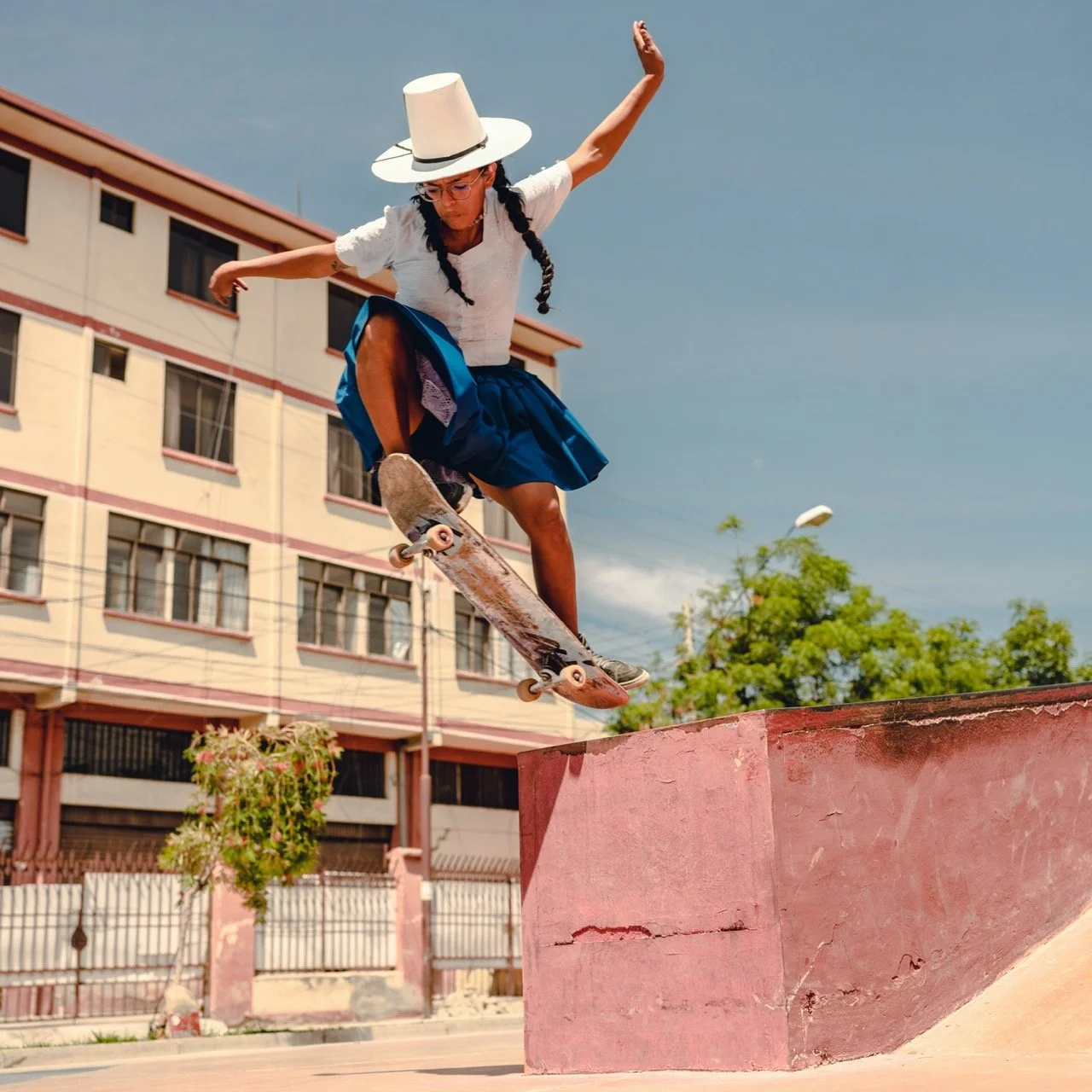
© Luisa Dörr
Artist Panel Conversation
Thursday, March 12, 2026 from 5:30 - 6:15 PM
Opening Reception
Thursday, March 12, 2026 from 6:15 - 8:00 PM
Curatorial Exhibition Walkthrough
Saturday, May 2, 2026 from 10:30 AM - 11:30 AM
Las mujeres han dado forma al lenguaje de la fotografía durante mucho tiempo, aportando visión y profundidad creativa al medio, muchas veces sin recibir un reconocimiento equivalente. En las últimas dos décadas, las mujeres en este campo han logrado mayor visibilidad e influencia, redefiniendo la profesión y los estándares institucionales. Organizaciones pioneras como el Houston Center for Photography (HCP) han sido fundamentales para este progreso. Durante 45 años, HCP ha honrado, apoyado y promovido de manera constante el trabajo de las mujeres, asegurando que sus voces estén firmemente presentes en el panorama fotográfico contemporáneo. Al tener a la mujer en cuenta como parte de su visión desde los inicios de su creación, el compromiso de HCP con la equidad sigue siendo un rasgo definitorio de su legado.
Chica Rebelde celebra a fotógrafas contemporáneas que exploran las múltiples dimensiones de la identidad femenina. Su trabajo pone de relieve la diversidad de experiencias, cuestiona los estereotipos y refleja los roles y percepciones de las mujeres en constante transformación.
Chica Rebelde incluye:
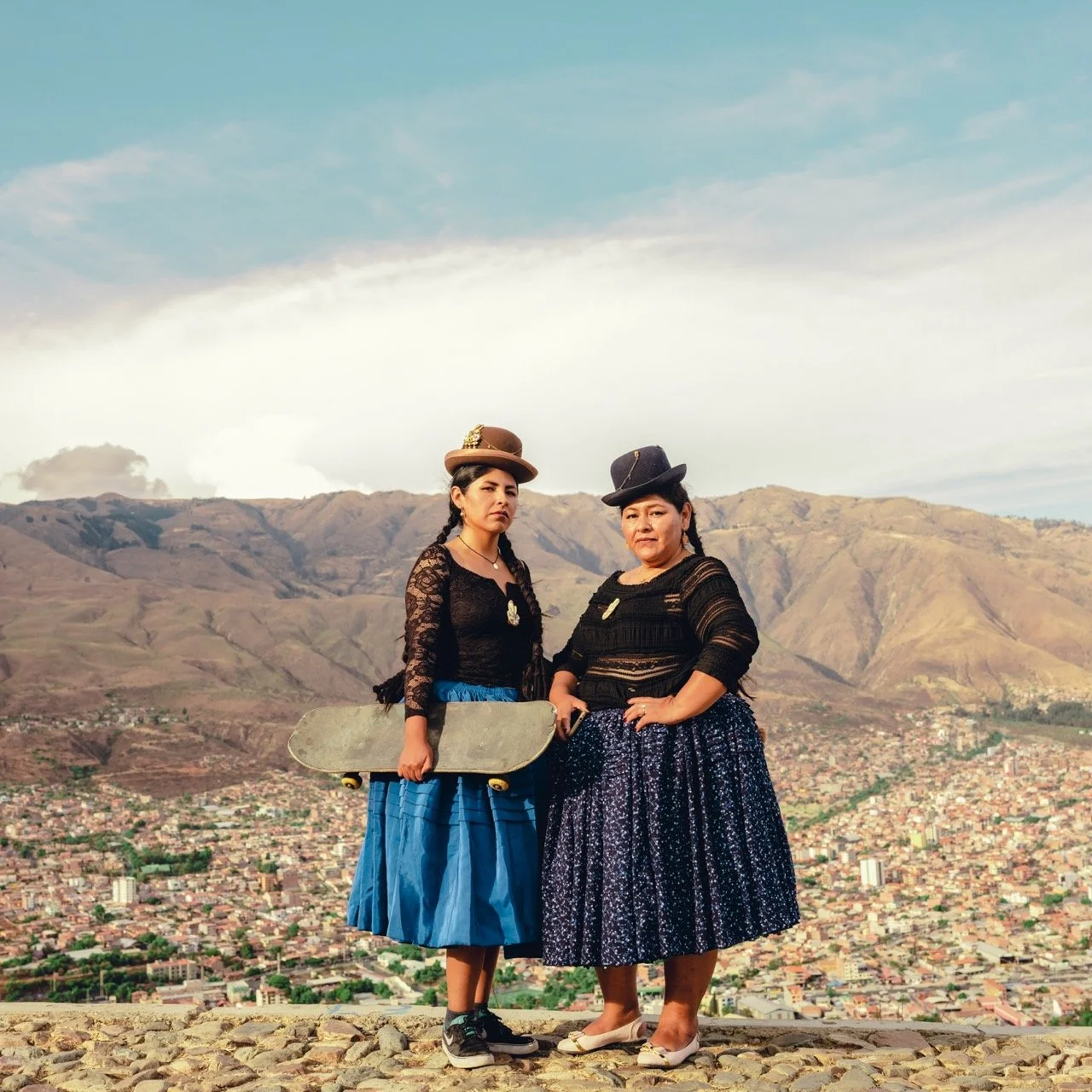
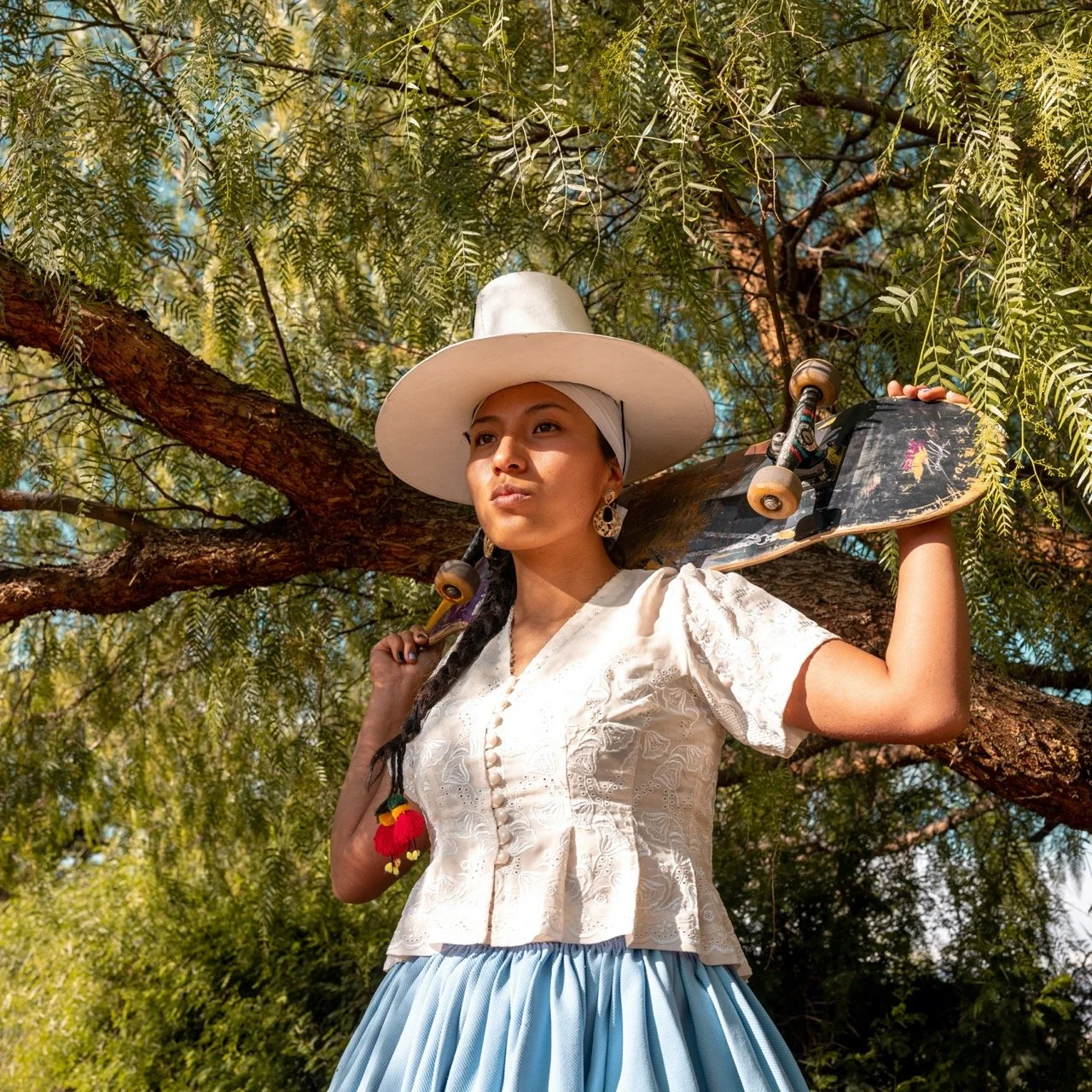
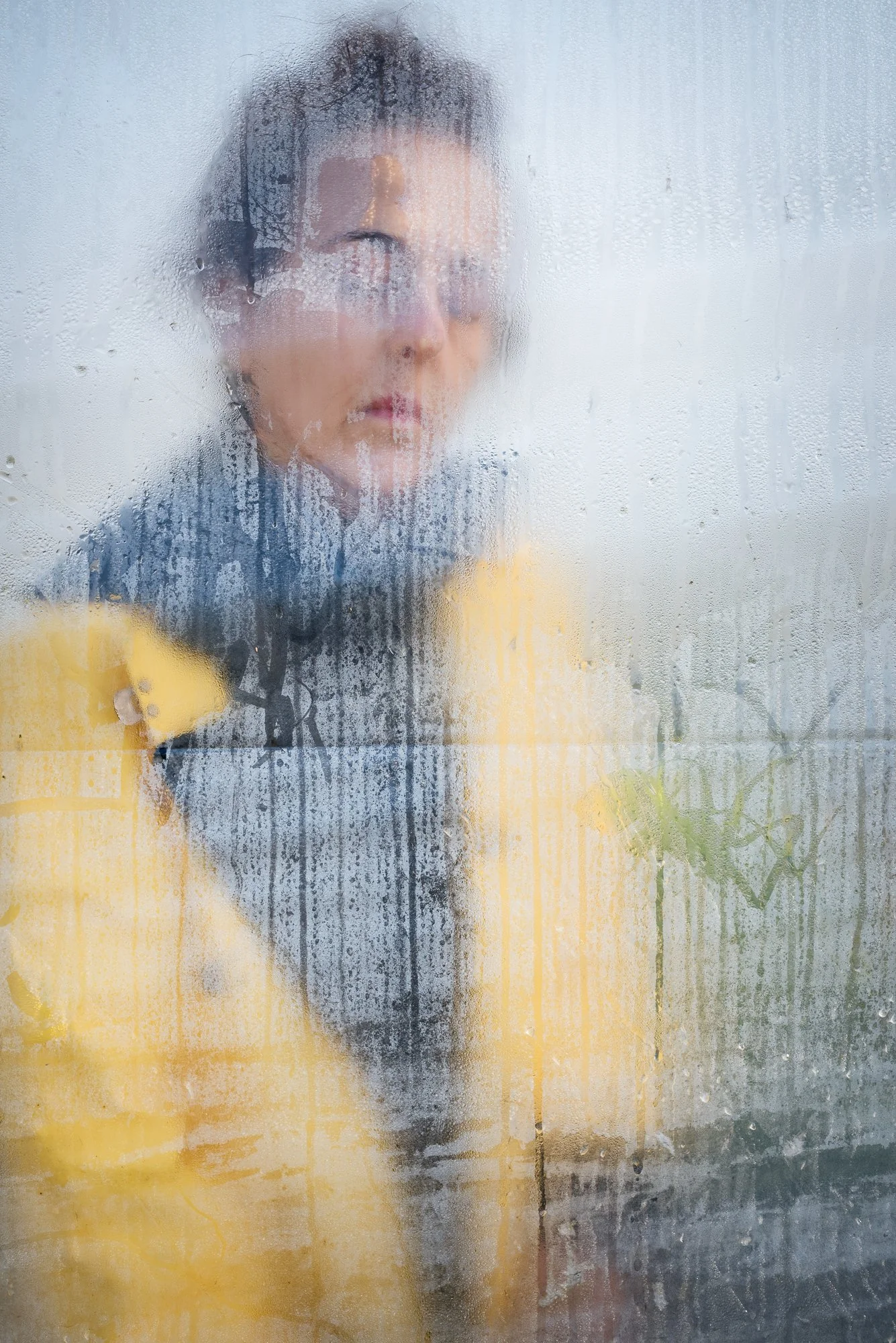
Luisa Dörr: La serie Imilla de Dörr documenta la cultura de mujeres skaters en Bolivia, donde las mujeres que usan faldas tradicionales polleras crean un puente entre la herencia cultural y la subcultura moderna.
Selina Román: En su serie de autorretratos abstracto, Román utiliza spándex de colores brillantes para transformar las curvas naturales de su cuerpo en campos geométricos de color, jugando con la forma y cuestionando la noción de exceso en la serie atinadamente titulada XS.
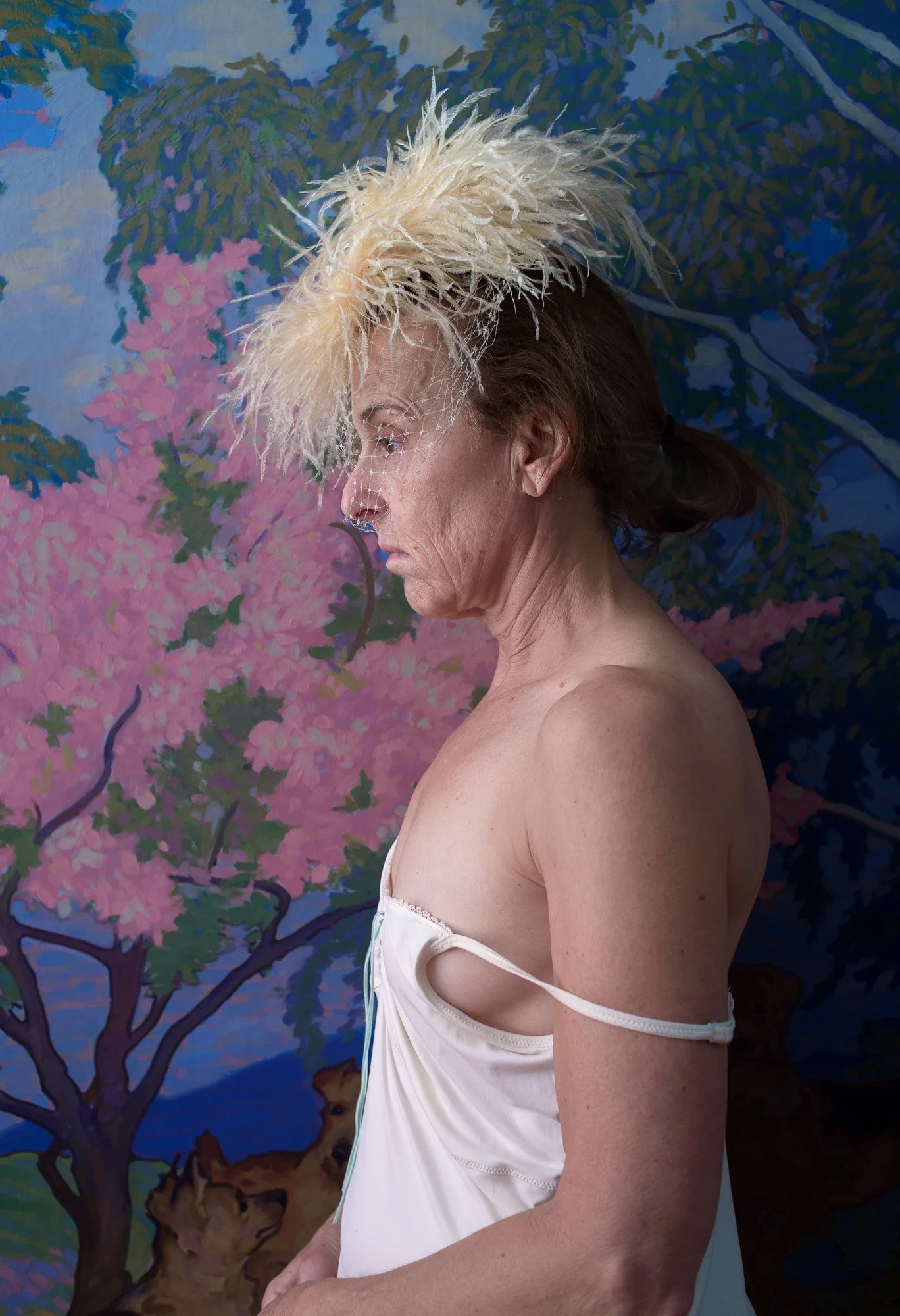
Jo Ann Chaus: En Conversaciones Conmigo Misma, Chaus reflexiona sobre los ideales de feminidad de mediados de siglo que marcaron su crianza, escenificando sus tensiones frente a la realidad de navegar un cuerpo que envejece en una era de positividad corporal
Juntas, estas artistas desafían la convención al mismo tiempo que celebran narrativas alternativas de la feminidad. Nuestra imagen estándar de una skater rara vez incluye vestimenta tradicional boliviana, las expectativas sobre el cuerpo femenino continúan limitadas por estándares estrechos de talla, y las visiones culturales sobre el envejecimiento y la belleza suelen marginar a las mujeres cuando van envejeciendo. Cada artista pone en primer plano estas excepciones, normaliza sus existencias e invita a reconsiderar la feminidad en sus diferentes etapas, desde la rebeldía juvenil hasta la reflexión madura.
Women have long shaped the language of photography, bringing vision and creative depth to the medium, often without equal recognition. Over the past two decades, women in the field have achieved greater visibility and influence, redefining the profession and institutional standards. Trailblazing organizations such as Houston Center for Photography (HCP) have been vital to this progress. For 45 years, HCP has consistently honored, supported, and advanced the work of women, ensuring their voices are firmly embedded in the contemporary photographic landscape. With women shaping its vision from the very beginning of its formation, HCP’s commitment to equity remains a defining part of its legacy.
Rebel Girl celebrates contemporary photographers engaging with the many dimensions of female identity. Their work highlights the diversity of experience, questioning stereotypes and illuminating the evolving roles and perceptions of women today.
Rebel Girl features:
Luisa Dörr: Dörr’s series Imilla documents female skater culture in Bolivia, where women wearing traditional pollera skirts bridge cultural heritage and modern subculture.
Selina Román: Román’s abstracted self-portraiture uses brightly colored spandex to transform the natural curves of her body into geometric color fields, playing with form and calling us to question excess in the aptly titled series XS.
Jo Ann Chaus: In Conversations with Myself, Chaus reflects on the mid-century ideals of femininity that shaped her upbringing, staging their tensions against the lived reality of navigating an aging body in an era of body positivity.
Together, these artists challenge convention while celebrating alternative narratives of femininity. Our standard image of a skater rarely includes traditional Bolivian attire, expectations of the female form continue to be bound by narrow standards of size, and cultural views of aging and beauty often marginalize women as they grow older. Each artist foregrounds these exceptions, normalizes their existence, and invites us to reconsider womanhood across its unfolding stages, from youthful rebellion to mature reflection.


Luisa Dörr:
The Bolivian ‘polleras’, bulky skirts commonly associated with the indigenous women from the highlands, were for decades a symbol of uniqueness but also an object of discrimination. Now, a new generation of women skateboarders in Cochabamba, the country’s third largest city, wears them as a piece of resistance. The voluminous attire has its origins in the Spanish conquest in the 16th century. It was imposed on the native population, but through centuries the garment became part of the local identity. Since it symbolizes authenticity and stigmatization, dusting off the polleras that once belonged to aunts and grandmothers seemed the obvious choice for Dani Santiváñez, 26, a young Bolivian skater who wanted to reclaim her roots. She and two friends created in 2019 the female collective “ImillaSkate” “as a cry for inclusion”. ‘Imilla’ means ‘young girl’ in Aymara and Quechua, the two most widely spoken languages in Bolivia, a country where more than half of the population has indigenous roots. “We are no different, we all are indigenous descendants”, says Santiváñez referring to the nine women who are currently part of the group. They don’t wear the polleras on a day-to-day basis, but only for skating. Knee-length and paired with sneakers, as it happened in the past, the polleras were adapted again and became a new symbol. The imillas, who practice to compete in local tournaments, use this presence and their skateboards as a natural vehicle to empower women and push their message of inclusion and acceptance of diversity.
Luisa Dörr is a Brazilian photographer whose work primarily focuses on the feminine human landscape, exploring the complexities of femininity, identity, and human nature. Through the quietness of portraiture, she tells intimate narratives that delve into the layers of her subjects' lives. Her work has been published in National Geographic Magazine, The New York Times, Apple, Airbnb, The Washington Post, among others. In 2015, Dörr was recognized as a LensCulture Emerging Talent, and in 2018, the multimedia project FIRSTS for TIME Magazine, which highlights 46 groundbreaking women, earned the POYi Documentary Project of the Year award. That same year, she received the Magenta Flash Forward Award for her personal project on Maysa, about a young Brazilian model. The project touches on themes of youth, gender, race, and coming-of-age. In 2019, Dörr's Falleras story, about the culture of Fallas de Valencia in Spain, won 3rd prize in the Portrait Stories category at the World Press Photo Awards. In 2023, she received recognition at POYLatam and was awarded the Vogue Grant for her story about Imilla, a group of Indigenous women skateboarders in Bolivia who use traditional attire to combat discrimination, empower women, and promote inclusion. Currently based in Bahia, Brazil, Dörr is working on a project centered around her own village, titled The Cocoa's Cost: The Vanishing Atlantic Forest. Alongside this, she is developing a new story about the Escaramuzas, the Mexican riding ladies, and is pursuing a second degree in anthropology to deepen her understanding of the cultures she documents.
Selina Román:
Tampa-based artist and Florida native Selina Román’s lens-based practice explores ideas of femininity, beauty, liminality, memory, place, and how the invisible offers more answers than what’s visible. Her portraiture work and videos employ color, fashion and props used in unusual ways, as well as otherworldly locations to create alternate moods and meaning that allow the viewer to create their own narrative.
In her series of photographs, entitled XS and Abstract Corpulence, Román uses her body to explore themes of beauty, politics of size and the gaze. Her cropped images of stomach, thighs and hips become a formal study of line, shape and color. Pastel bodysuits and tights transform her fleshiness into new landscapes and amorphous shapes. Román further complicates ideas of size by employing physical and digital collage to reconfigure her body into large-scale landscapes and still life compositions. Using a minimalist, formal approach to simplify what’s in the frame, she creates a quiet resistance that subverts traditional ideas of beauty.
Selina Román received her Master of Fine Arts degree from the University of South Florida in 2013. Prior, she worked as a newspaper reporter and investigator. Her work is in the collection of the John and Mable Ringling Museum of Art in Sarasota; the Leepa-Rattner Museum of Art in Tarpon Springs, and the Tampa Museum of Art.
Román has exhibited at institutions such as the Sarasota Art Museum, The Ringling Museum of Art and Tampa Museum of Art, and internationally at Edna Manley College of Visual and Performing Arts in Jamaica and the Universidad del Sagrado Corazon in Puerto Rico. Her work was also featured at Brighton Photo Fringe in the UK during the 2016 Brighton Photo Biennial. She received a Hillsborough County Artist Grant in 2017 and 2021. She was also invited to participate in Review Santa Fe 2019 and 2023, as well as Critical Mass 2020 and 2024 where she was named Top 50. She teaches photography at the Ringling College of Art and Design.
Jo Ann Chaus:
Conversations with Myself has been a decade long exploration that began as intimate dialogues between the camera and me, as I embodied various female archetypes and the forces they internalized.
Though a modern woman, I found myself tethered to the dictates of my mother’s generation with outdated social expectations deeply embedded in me as the good wife and selfless mother. Making photographs was an excavation toward understanding my internal dissonances.
In the process, I evolved. The characters I portrayed glowed with an emerging sense of courage and defiance as I stepped out from the shadows of self-imposed anonymity.
Many of the vintage dresses and props had personal significance; I used them to layer the past onto the present, bridging my private history with the collective memory at large.
Conversations with Myself has been a coming of age crusade: a declaration of agency, a reckoning with my past and a witness to my metamorphosis. This work is a tribute to passion, tenacity and the making of art as fuel for creative resolutions.
Jo Ann Chaus is a photographer based in New York City whose self-portraits depict a conceptual and metaphorical study of a continual state of evolution, possibility, and expression of the self.
Chaus is best known for two bodies of work: “Sweetie & Hansom” (2008-2015), self-published in 2015, and the ongoing series “Conversations with Myself” (2016- ), which was named a finalist for the 2024 Star Photobook Dummy Award (Nominator: Mary Virginia Swanson) due to be published in March 2026. Her special recognitions include 2024 Aperture Portfolio Prize Long List, Critical Mass Top 50 in 2023 and 2022, Top 200 in 2024, 2018-2021. Her solo shows include Julia Margaret Cameron at Fotonostrum, Barcelona in 2024 and 2019, Atlanta Photography Group 2023, Cortona on the Move 2021 and Soho Photo 2021.
About the Artists:
Luisa Dörr, Selina Román, and Jo Ann Chaus
Questions?
For questions about this exhibition, please contact
Exhibitions and Programs Coordinator at exhibits@hcponline.org or 713-529-4755, ext 106.