
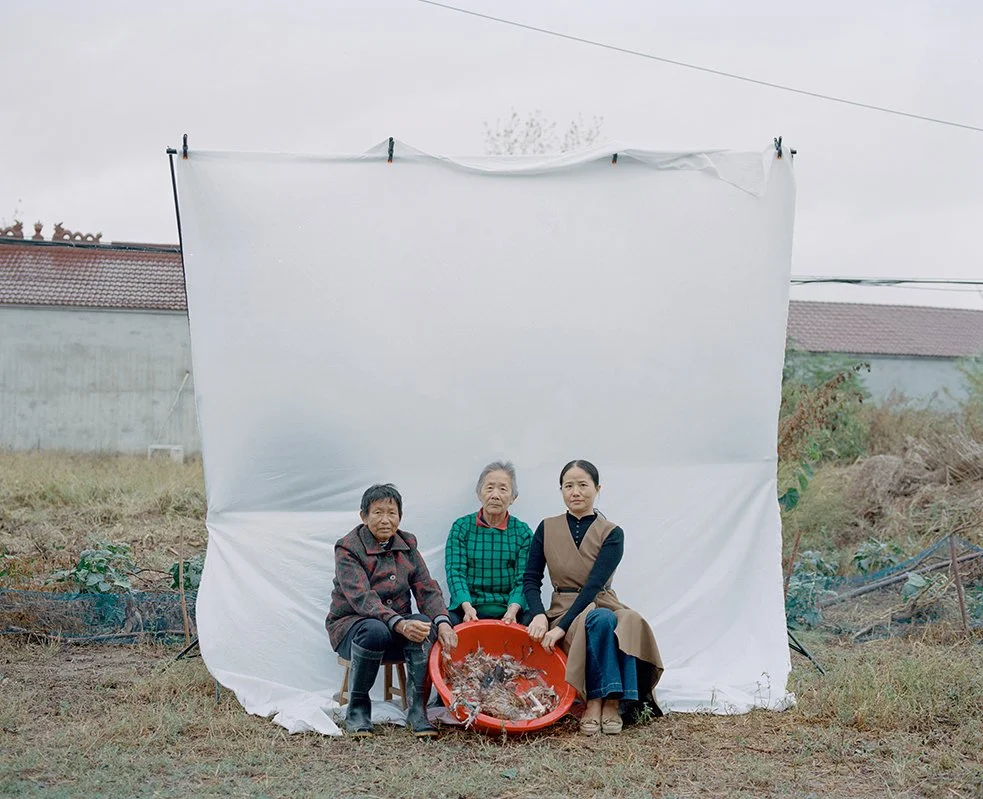
For A Story of Our Mothers & Fathers, artist Shuyuan Zhou (b. China 2001) presents a countryside family portrait. The matrilineal history of her closest living relatives, a private narrative that’s held within the textures and silences of the series My Great Grandmother, My Grand Aunt, My Grandmother, My Mother, and I, discloses itself through the subtlety of visual language. In Zhou’s exhibited image there are three generations of women. Yet one person—Shuyuan herself, who’s experienced a different life and opportunities than her elders—exists behind the lens unseen.
“This story begins with my mother,” Zhou’s artist statement reads. “After she was born, her biological parents tried to drown her. She survived, only to be sent away as a child bride. Her aunt shared the same fate—I never knew her real name. She is remembered only through names given by men: by her adoptive father, her husband, her grandson. Her life, like many women’s in the village, was defined by others.”
“At ten, my mother was sent back—unwanted, malnourished, and denied education. She endured years of neglect and survived.”
There are 35 lens-based artists on exhibition for the Houston Center for Photography’s 43rd Center Annual. Behind many of the 48 photographic works that collectively comprise A Story of Our Mothers & Fathers, there exists either a quiet or an explicit representation of generational survival.
Presenting the image Cheryl with Family Photos, Baltimore-born Justin A. Carney establishes himself as a photographer capable to standout within the firmament of American portraiture. His full body of work, titled Those Left Behind, delicately brings viewers to encounter the artist’s still-grieving family. Similar to his setting for Cheryl, Carney often photographs inside private homes, as well as at community buildings, at outdoor cookouts, and inside cars. His work functions for the public as an art photography project seeking to “question how the death of a loved one reshapes bonds that hold a family together.” Yet, through a steadfastness and intimacy of execution, Those Left Behind also constitutes an eloquent memorializing of fragile moments, consciously enacted by the artist as a personal means to tighten a drifting family.
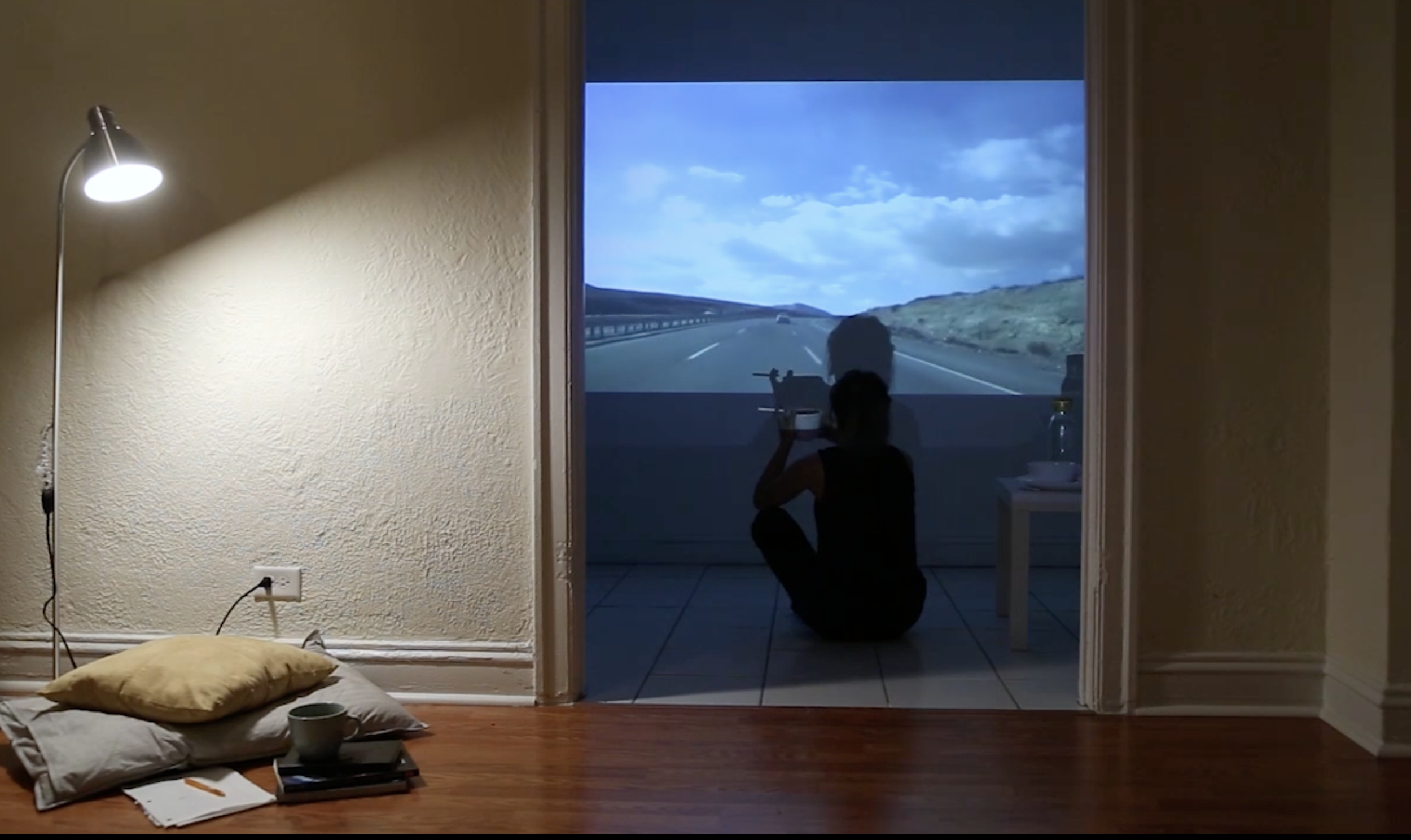
In her moving-image, video exploration No Answer, Atefeh Farajolahzadeh’s narrative voice poses reflective statements instead of asking unknowable questions. “I don’t want to think about how much time will pass before we meet again,” the narrator says to an unseen someone. Raised in Iran and now residing in Indiana, Farajolahzadeh uses metaphorical layers of imaging and sound to portray intangible, internal layers of migration and solitude. There is in fact No Answer for her life of unknowns. It’s a life shown as being lived on the wings of an airplane in the sky, behind the driver’s seat of an automobile on the road, and perhaps most strikingly in the narrator’s presumed home, an apartment at night where the evening light dims. Farajolahzadeh’s connection to place and lineage and individual people is something the viewer hears and feels, yet—just like the artist herself—we are unable to see.
Some of the artists on view in A Story of Our Mothers & Fathers don’t obviously focus on family. They instead portray stories of lineage, history, and heritage tied to place or land.
Alfredo Esparza Cárdenas (b. Mexico 1980), in collaboration with Brenda Virginia Castro (b. Mexico 1983), offers a series of ten sequential landscape interactions, where a lone masculine figure’s physical gestures unfold as though cinematic. There’s a stop-motion quality he masterfully renders via a performative, laboring body that raises dust plumes and stands beside them atop of wide-open fields on a western-esque landscape. Cárdenas himself describes The Lift the Soil as “brief actions that reorganize how we relate to others, language, and the environments we inhabit.”
Fragments from the Midwestern, metro environment of Chicago peek out from inside the Multiples self-portraiture, silhouette series by Ursula Sokolowska (b. Poland 1979). During a period of loss and grief, and then subsequent recovery and reinvention, Sokolowska began creating an ongoing body of work in which she daily photographed and manipulated scenes from her familiar external environment. This became a material source for internally contemplating “the multiplicity of selves that appear in the aftermath of profound change.”
Anselm Ebulue, based in London UK, provides selections from his series Whims of the Rye documenting the residential life of his neighbors, large pockets of the descendants of Britain’s African and Caribbean diasporas. Though the Peckham district in South East London is presently changing as part of a hyper-visible gentrification and demographic shift, Ebulue devotedly photographs his community today as though an elder family historian long dedicated to preserving and honoring the heritage of the generations of Black Londoners that call Peckham home. Ebulue successfully aspires to “make a point in elevating that significance through quiet moments of stillness and beauty.”
The global stories of our mothers and fathers dwell here at HCP and across Houston. Their histories and significances arrived from Austin and Peru, Bryan and The Hague, Marshall and Botswana, Nigeria, Hong Kong, Mississippi, Venezuela, Japan, and more.
With this 43rd Center Annual exhibition, the Houston Center for Photography is proud to feature its community of top, Texas-based photographic artists in visual conversation with its community of image makers from across the world. The Center Annual provides an invaluable platform where the international, contemporary photography community can exhibit together.
Asha Iman Veal, Juror, Curator based in Paris France / Chicago Illinois, and professor at the School of the Art Institute of Chicago (SAIC)
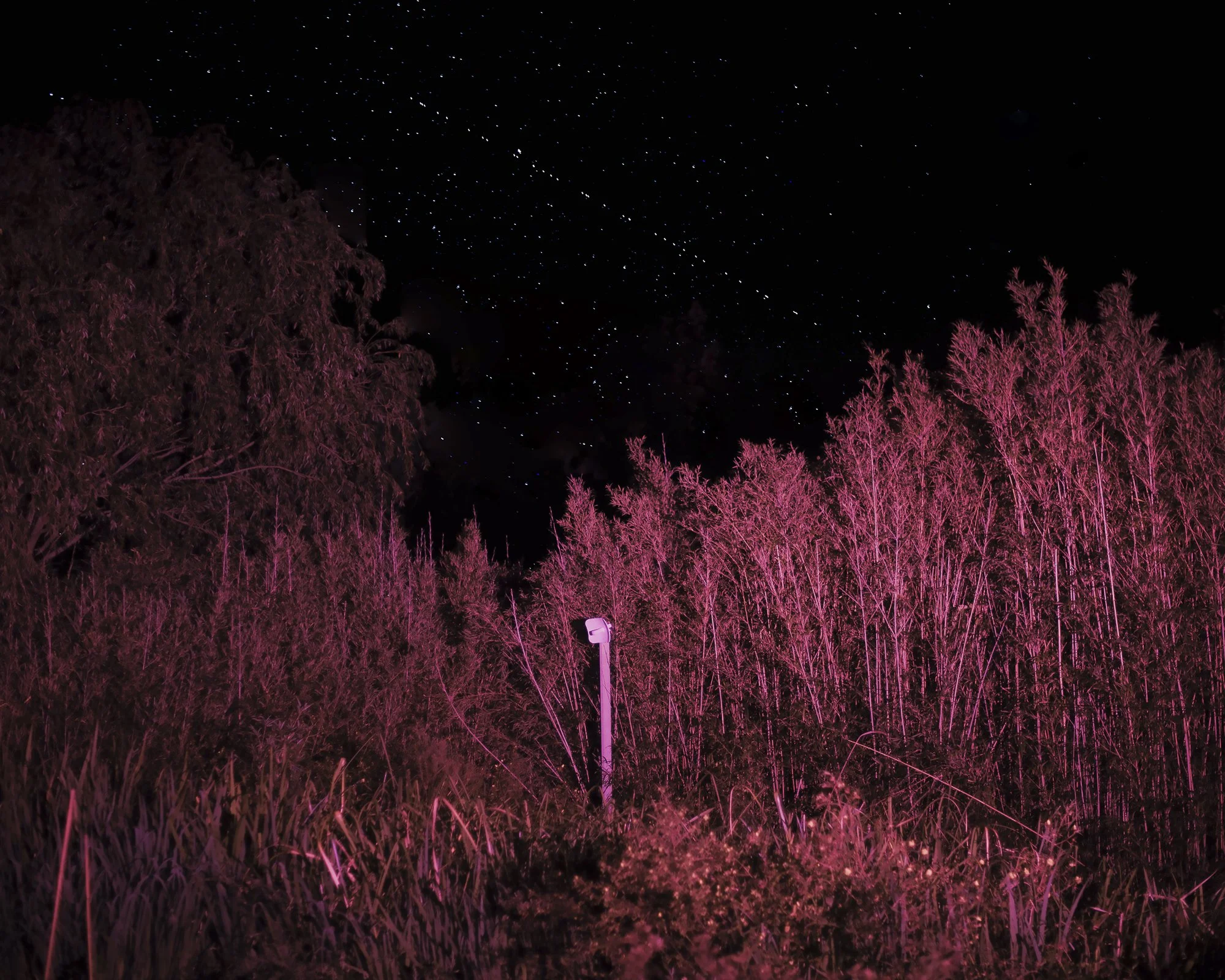
© Luciana Demichelis
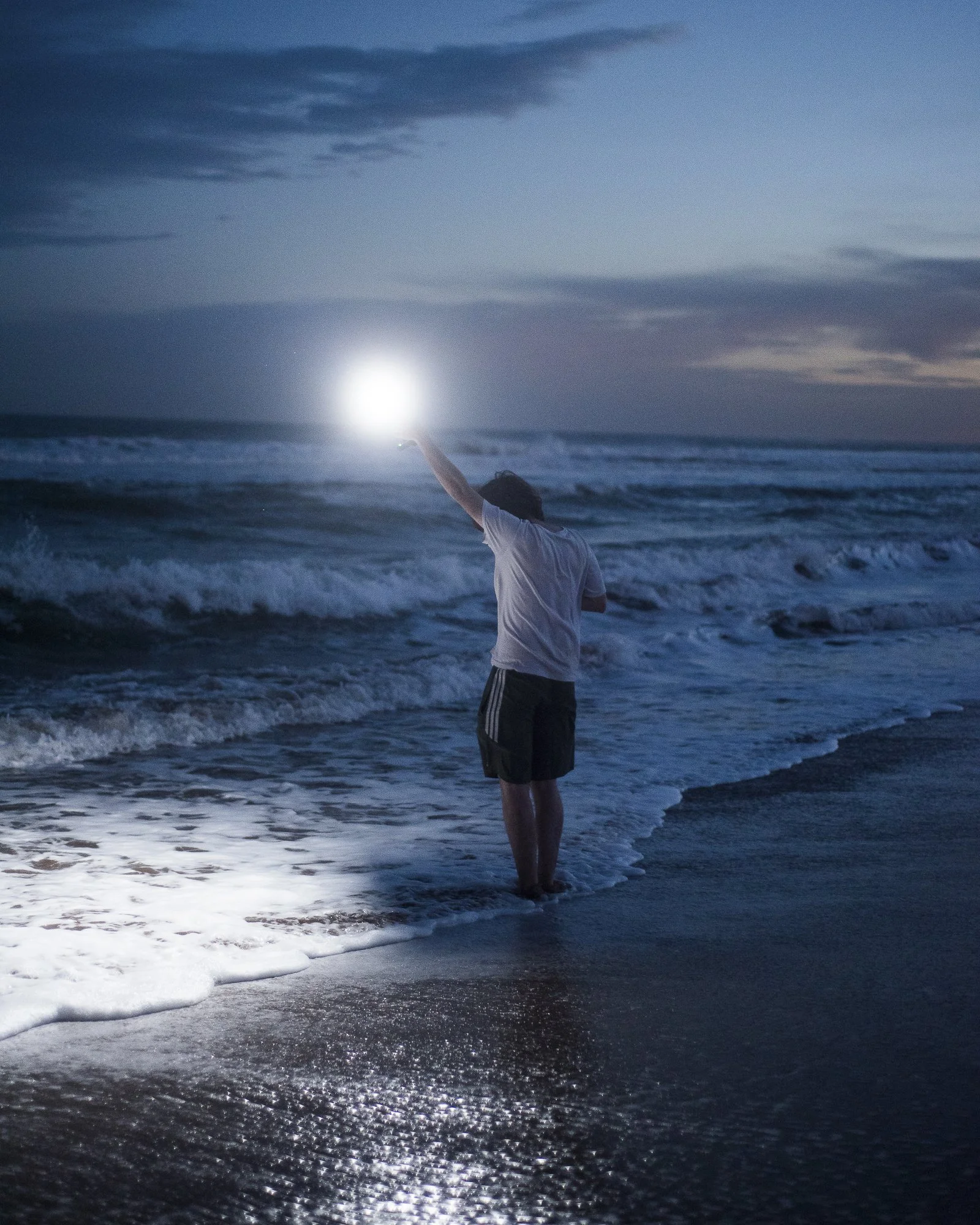
© Luciana Demichelis
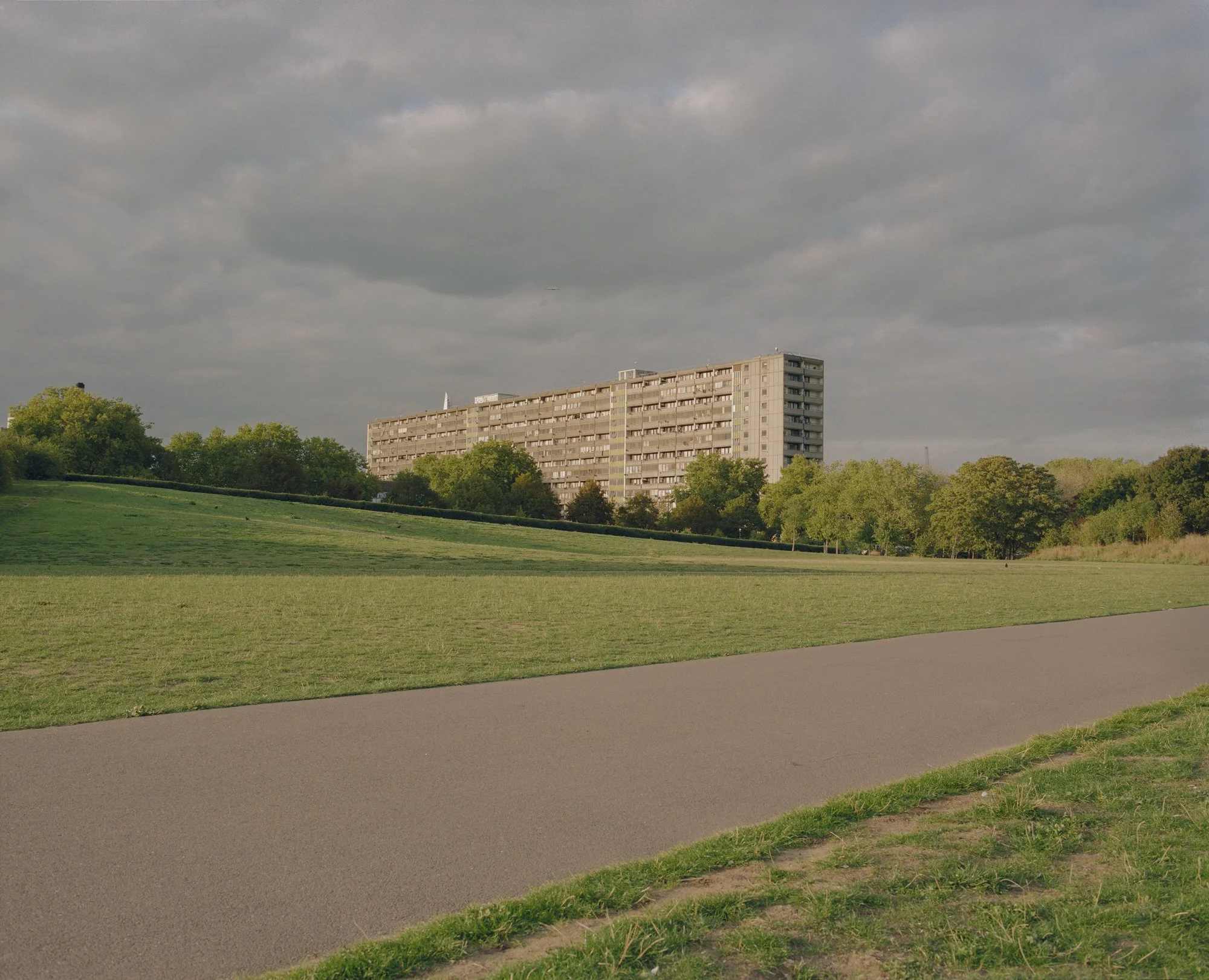
© Anselm Ebulue
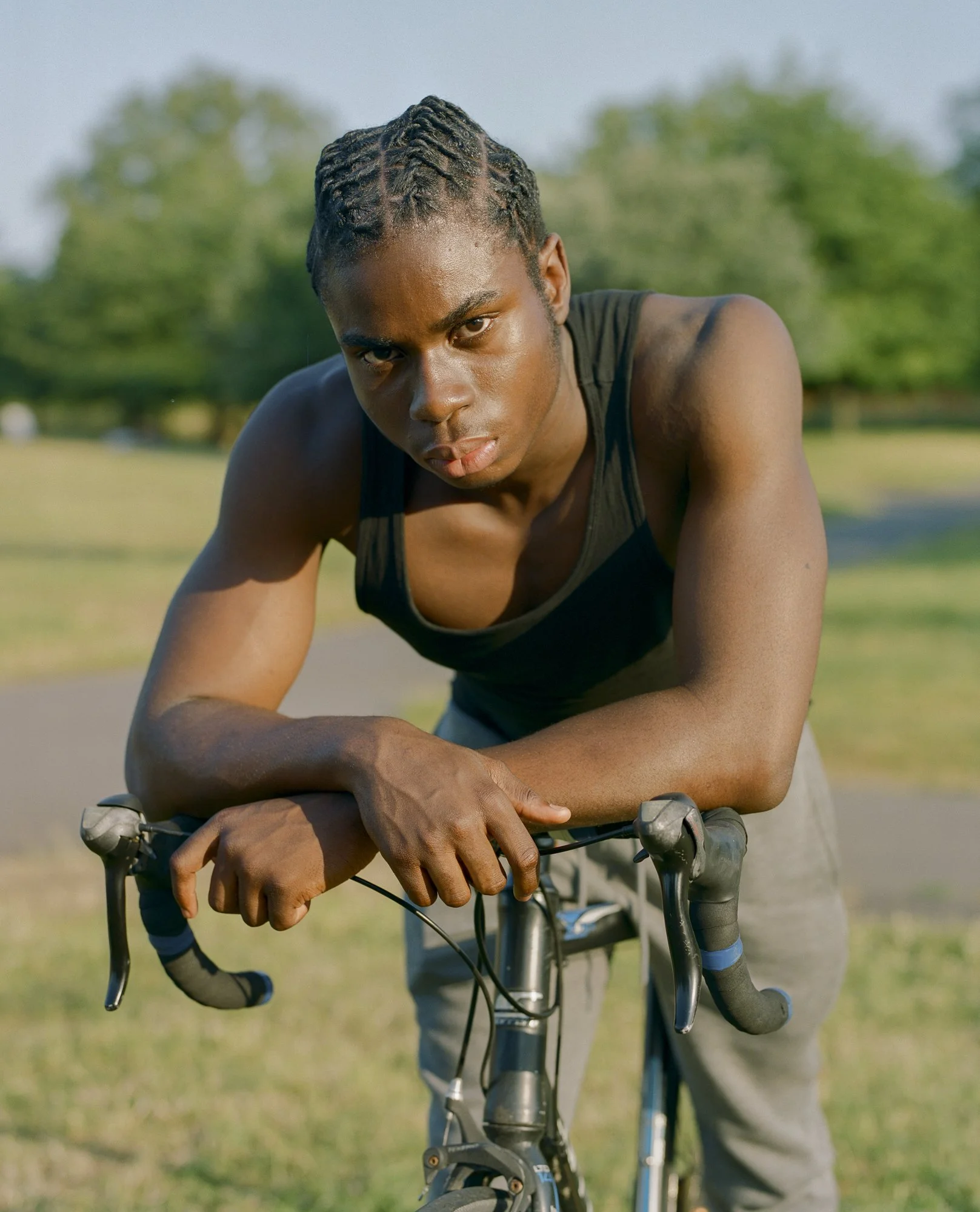
© Anselm Ebulue
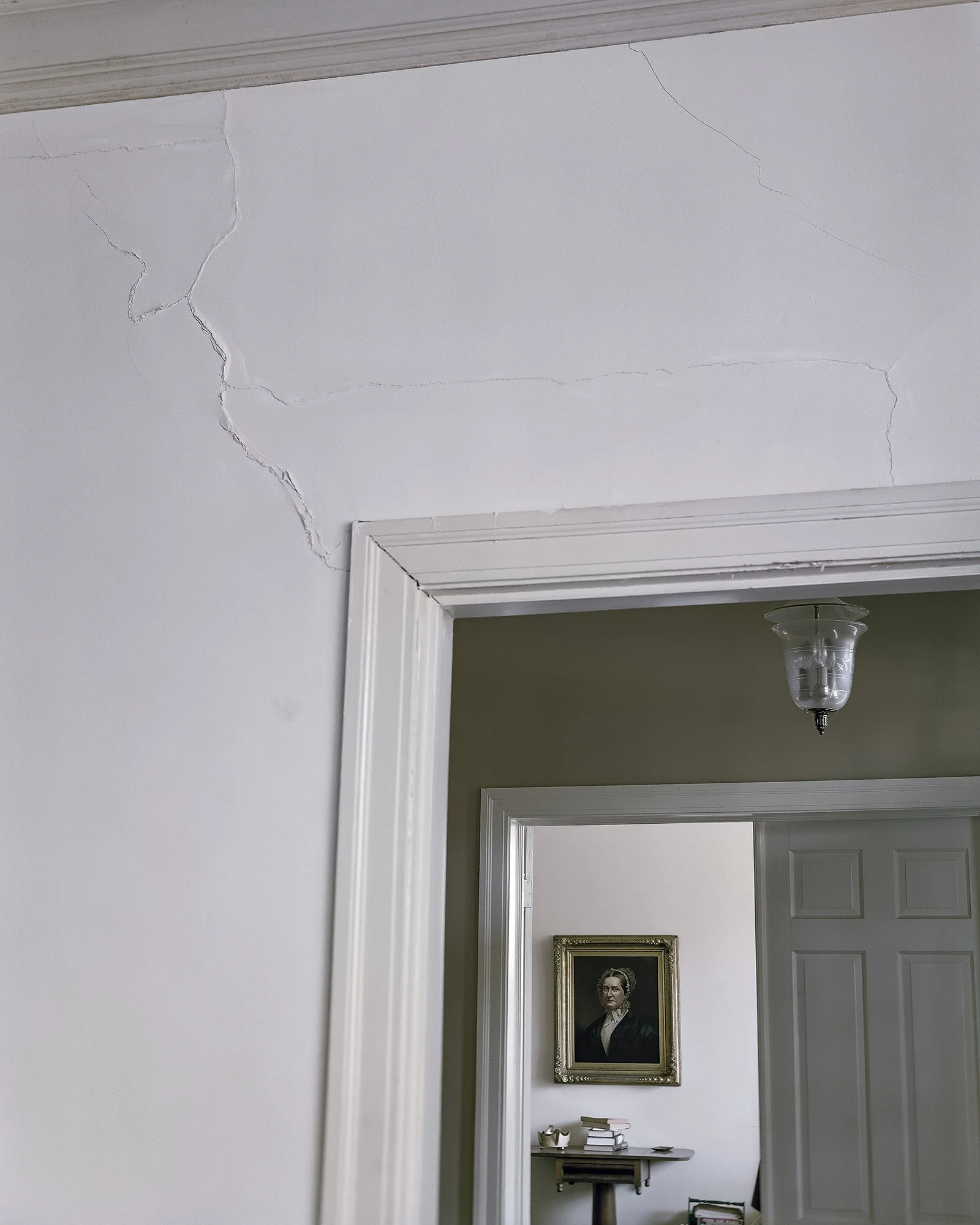
© Judson Womack
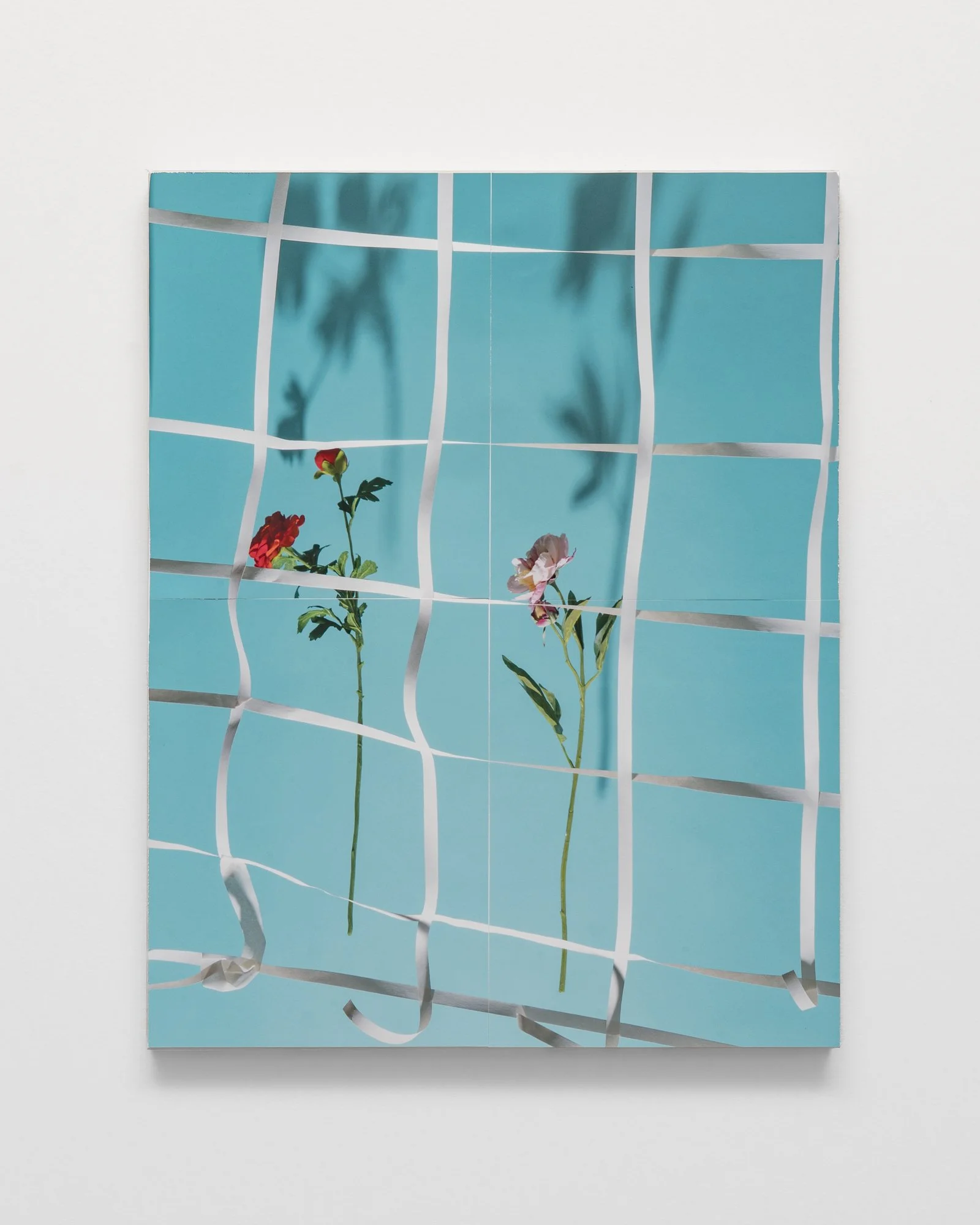
© Robert Chase Heishman
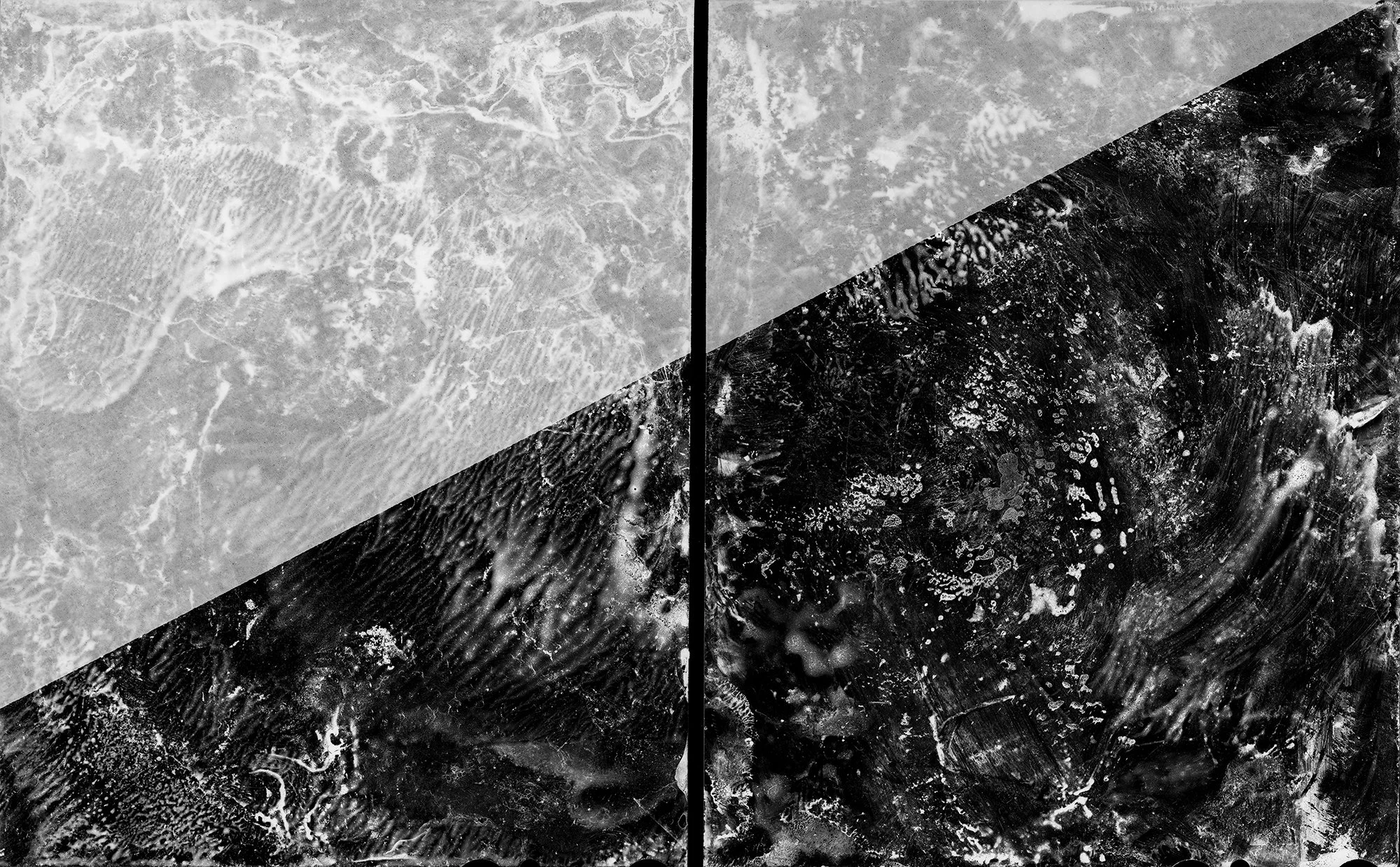
© Claire Warden
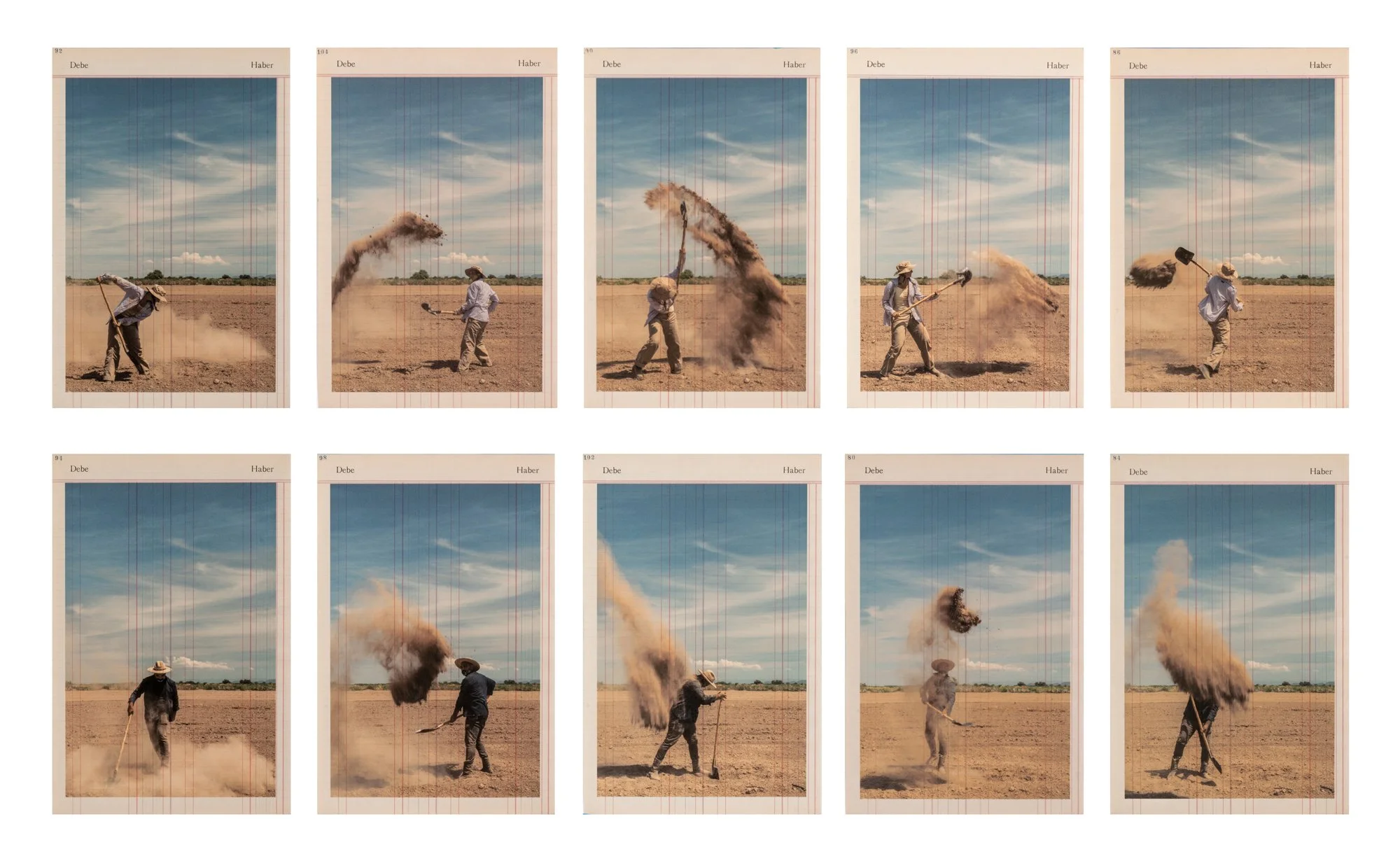
© Alfredo Esparza
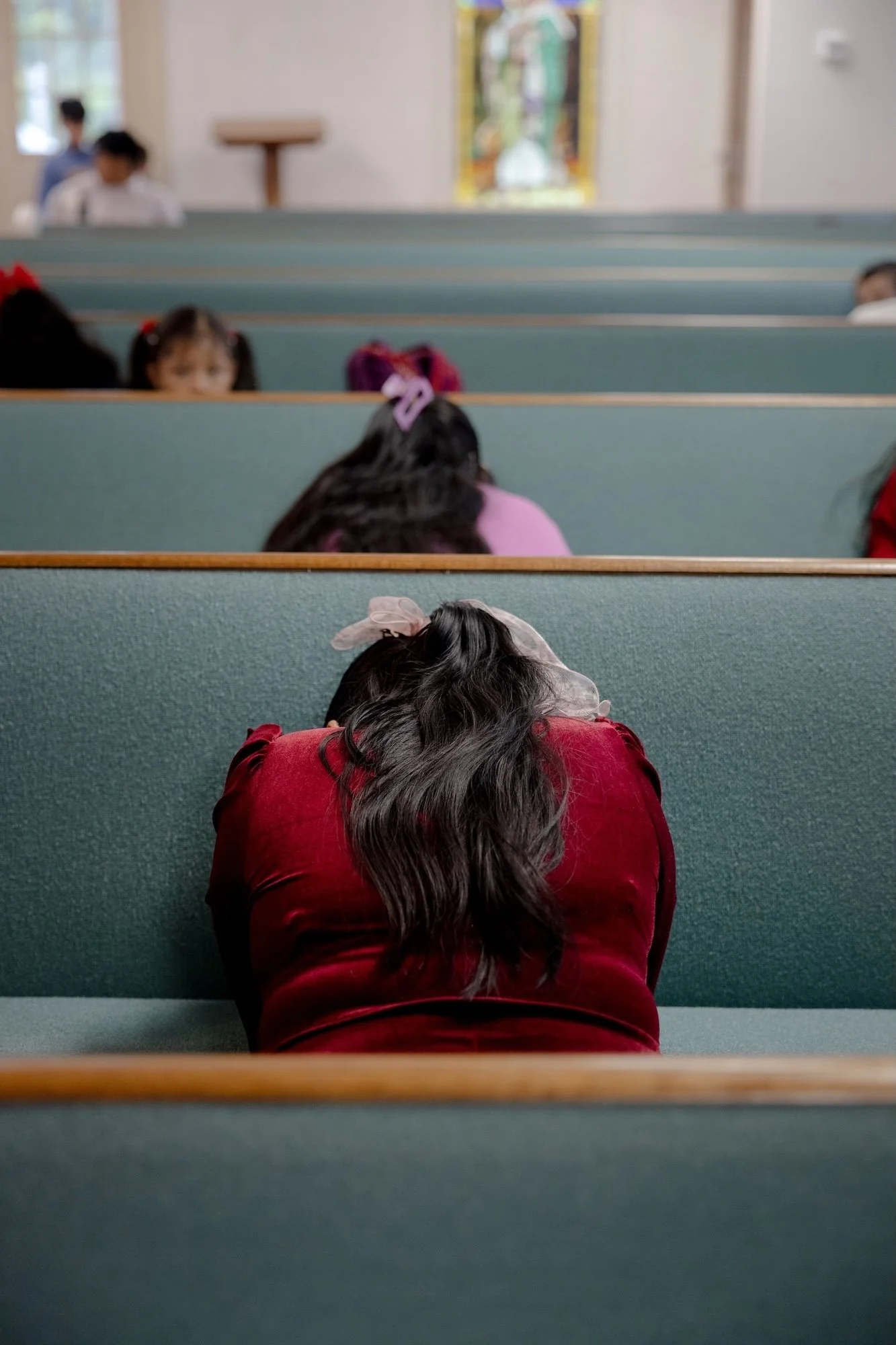
© Lexi Parra
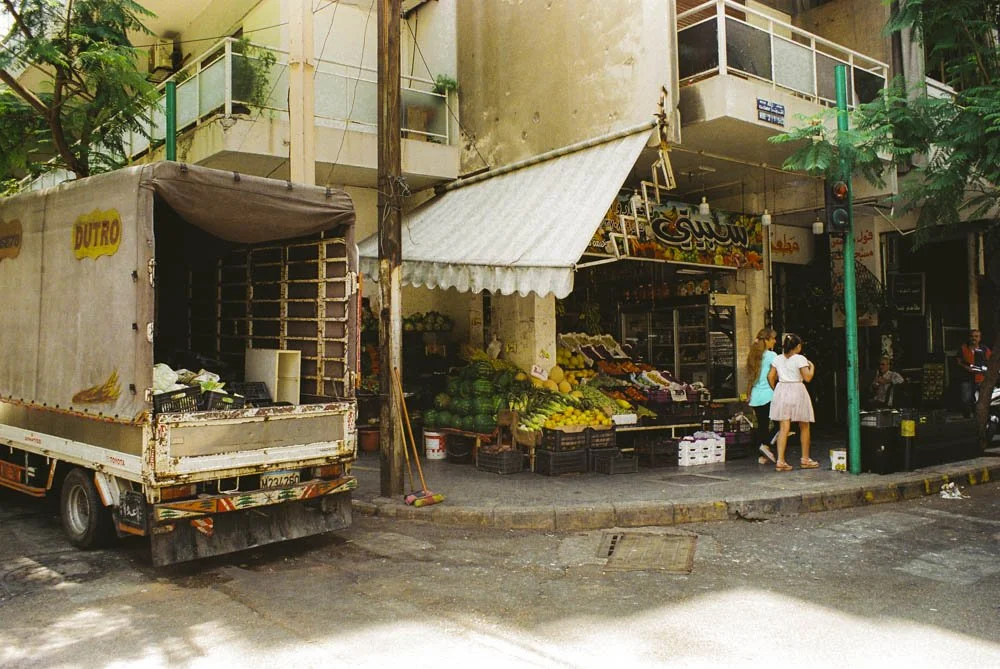
© Jad Mabsout
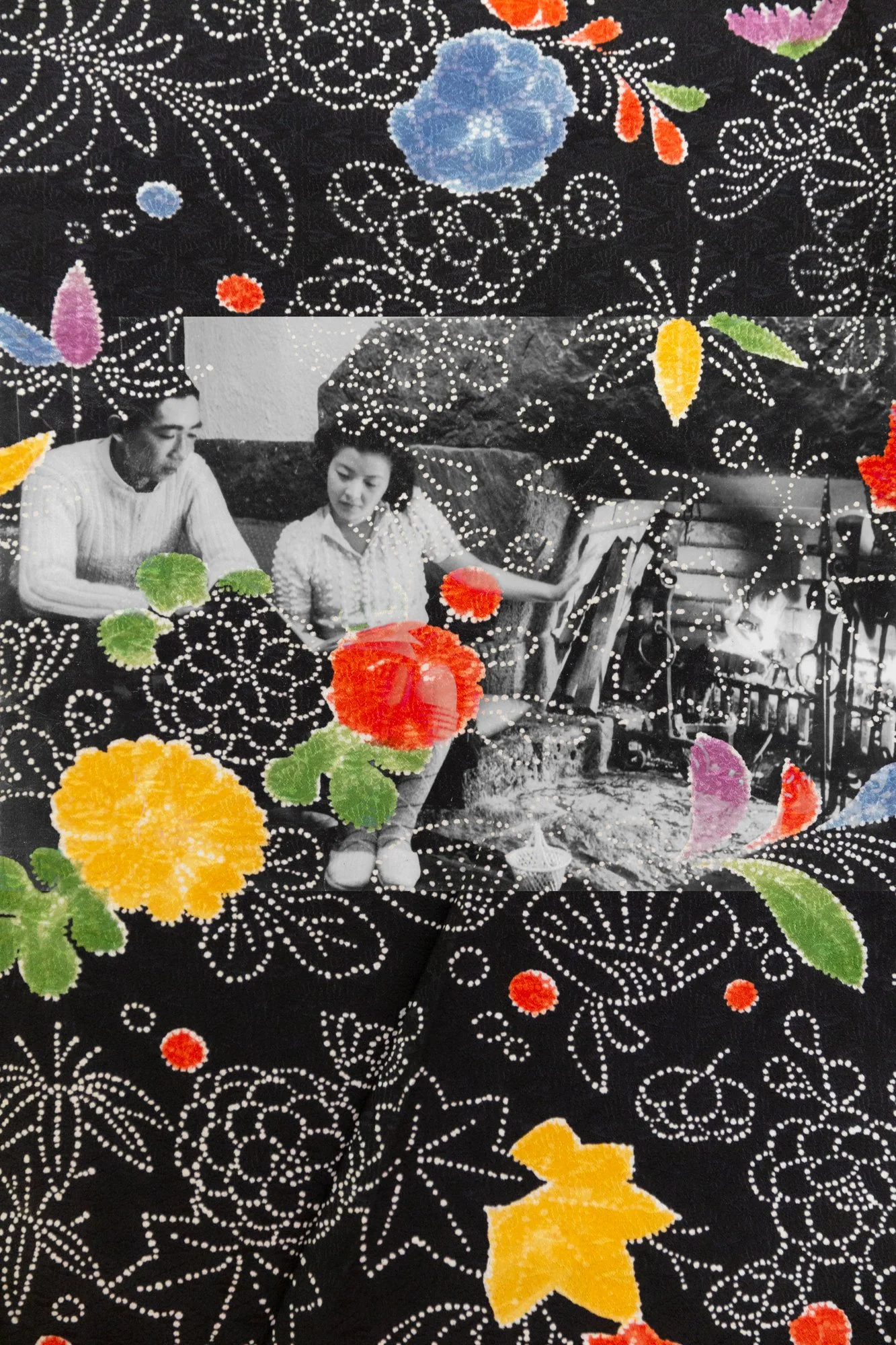
© Aiko Wakao Austin
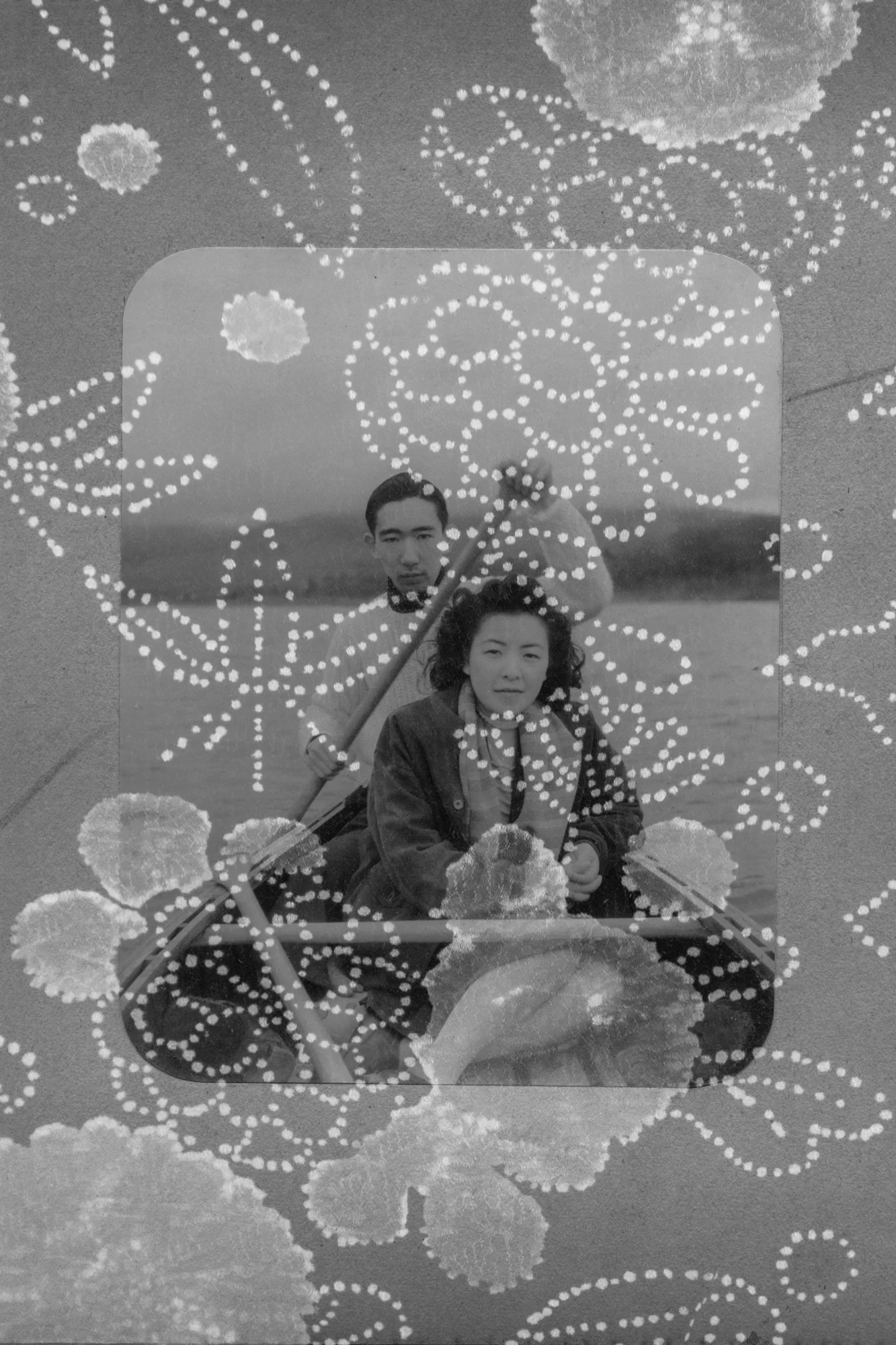
© Aiko Wakao Austin
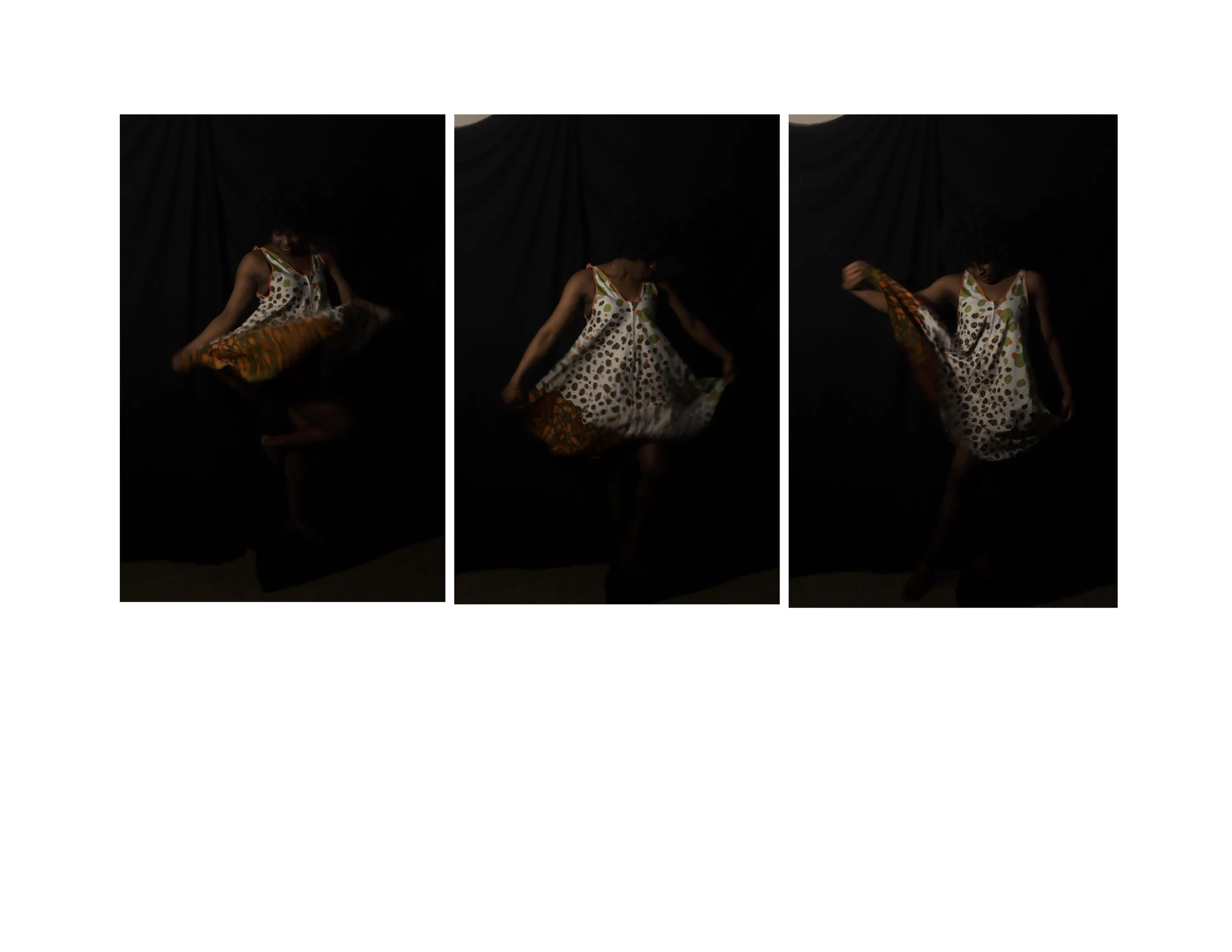
© Blya Krouba
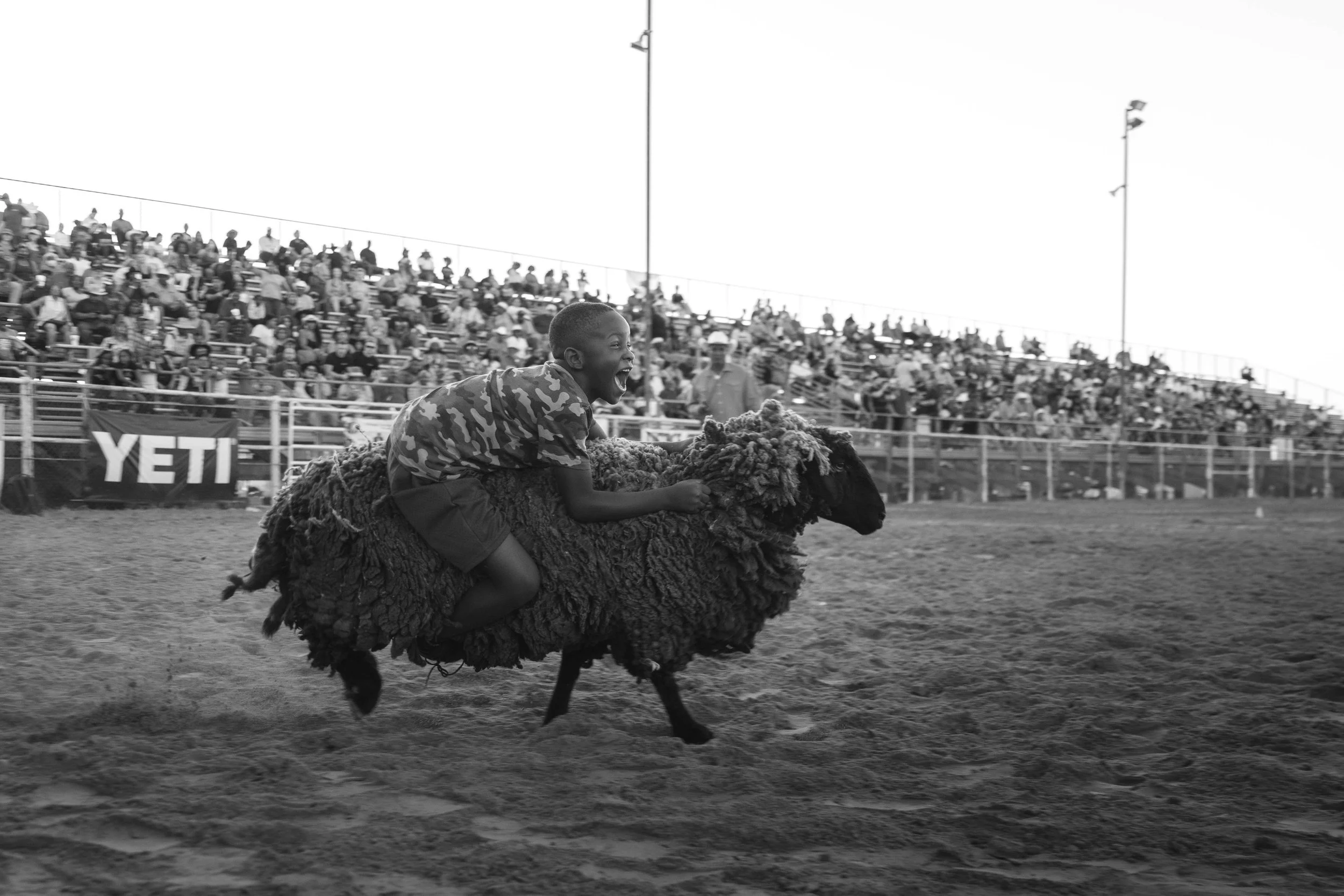
© Brian Edwards Jr.
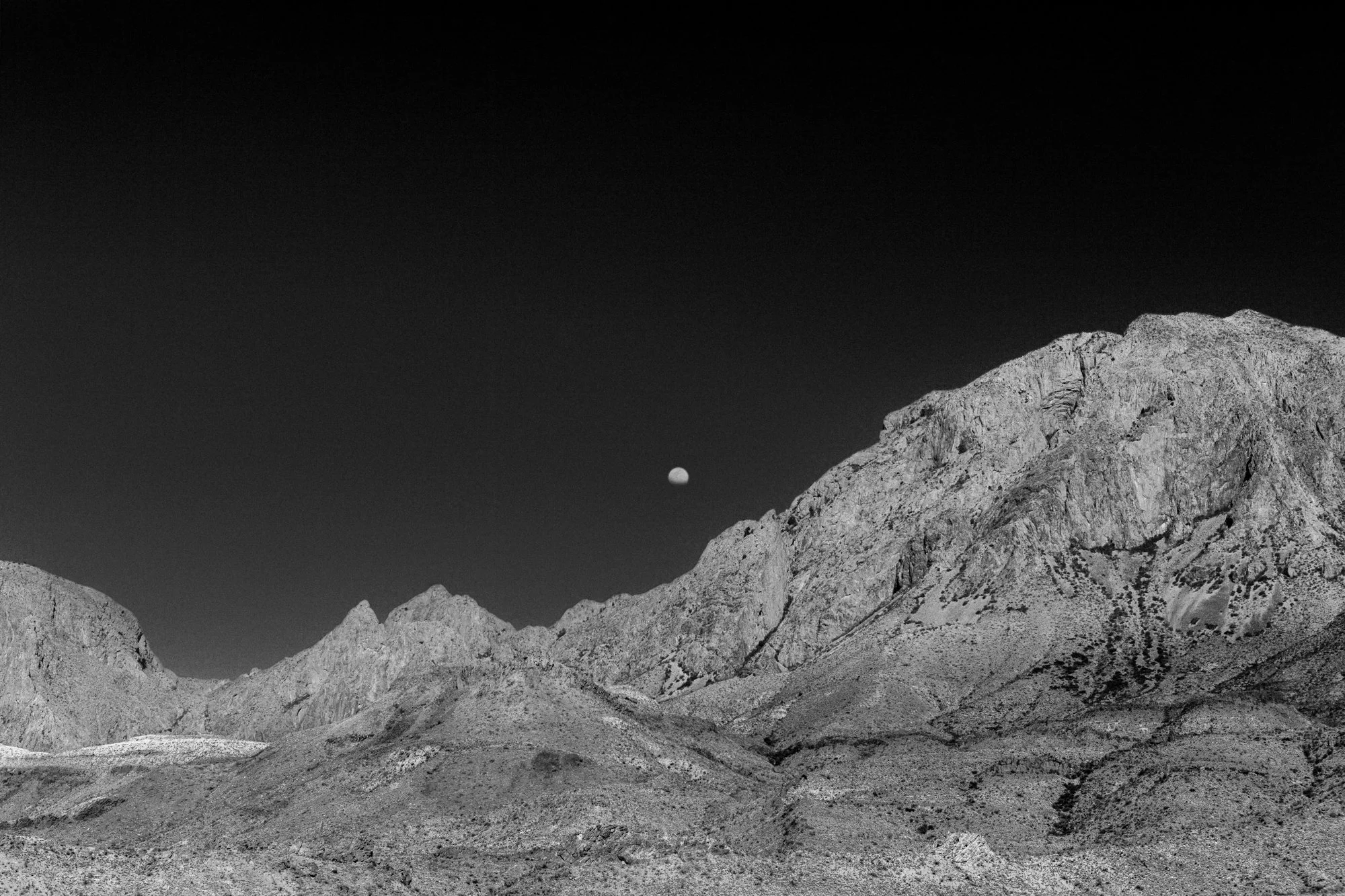
© Michael Catarineau
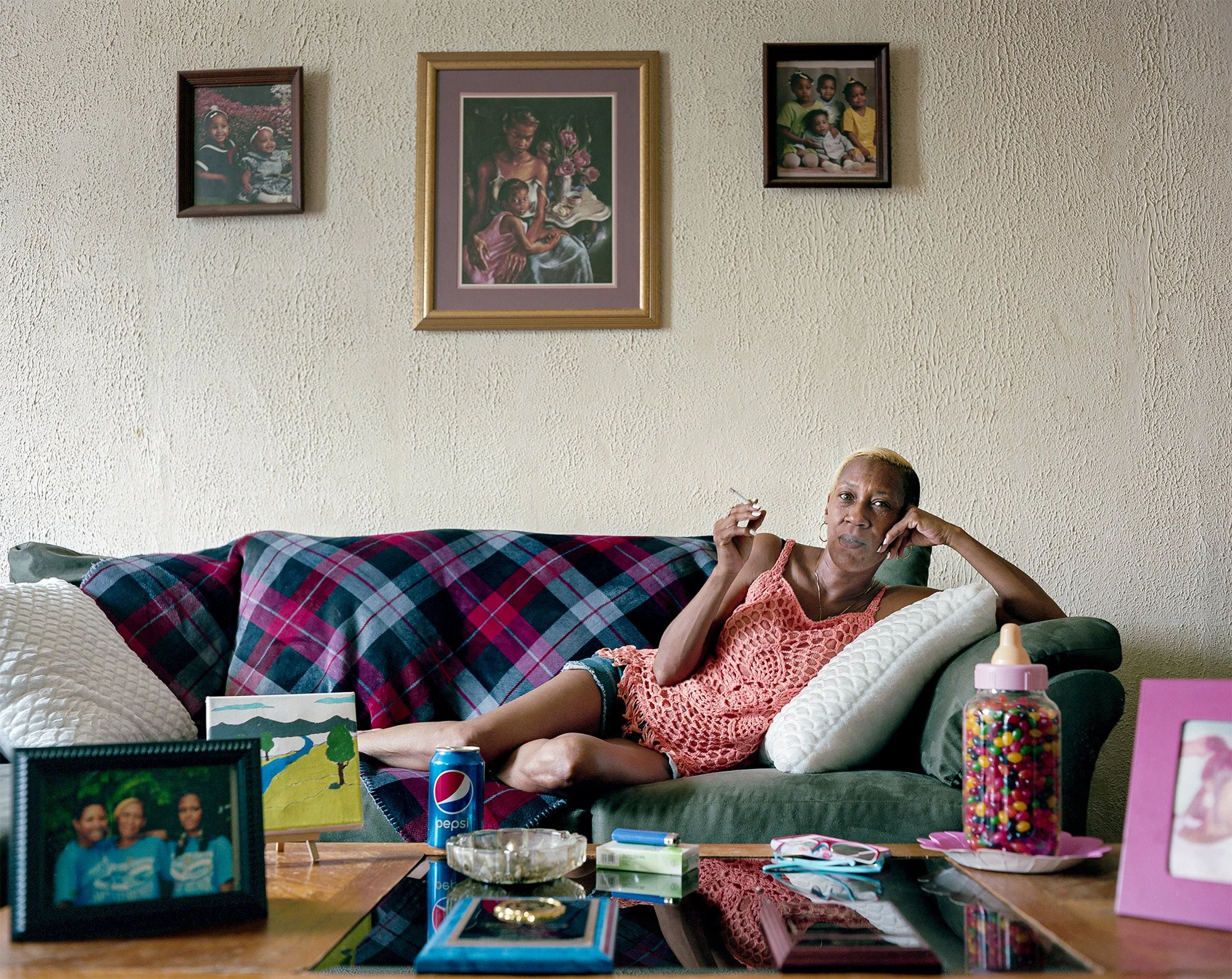
© Justin A. Carney
© Chantal Lesley
© Chantal Lesley
© Maya Asha Jeffers
© Maya Asha Jeffers
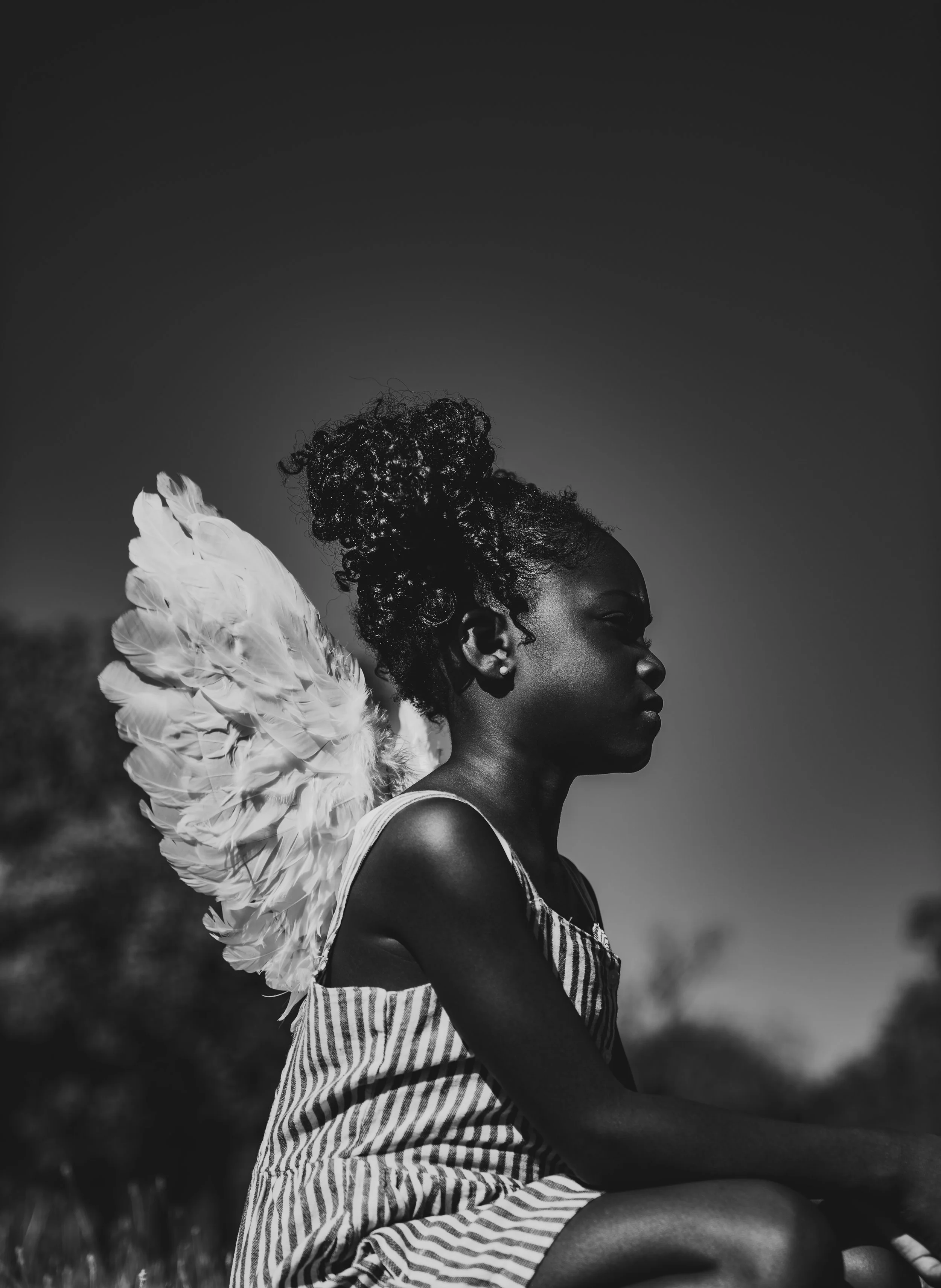
© Jakayla Monay
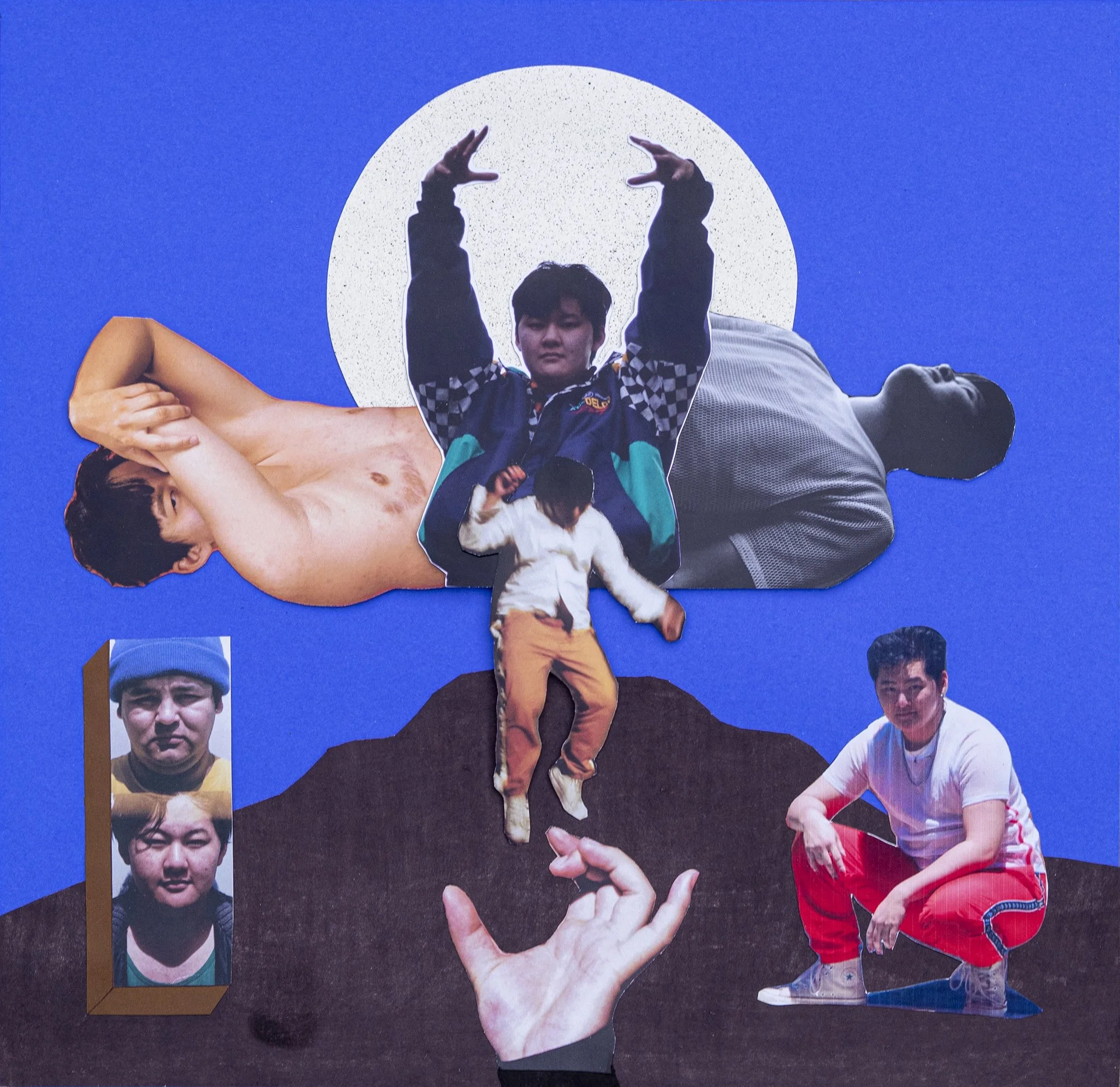
© Miguel Espinosa
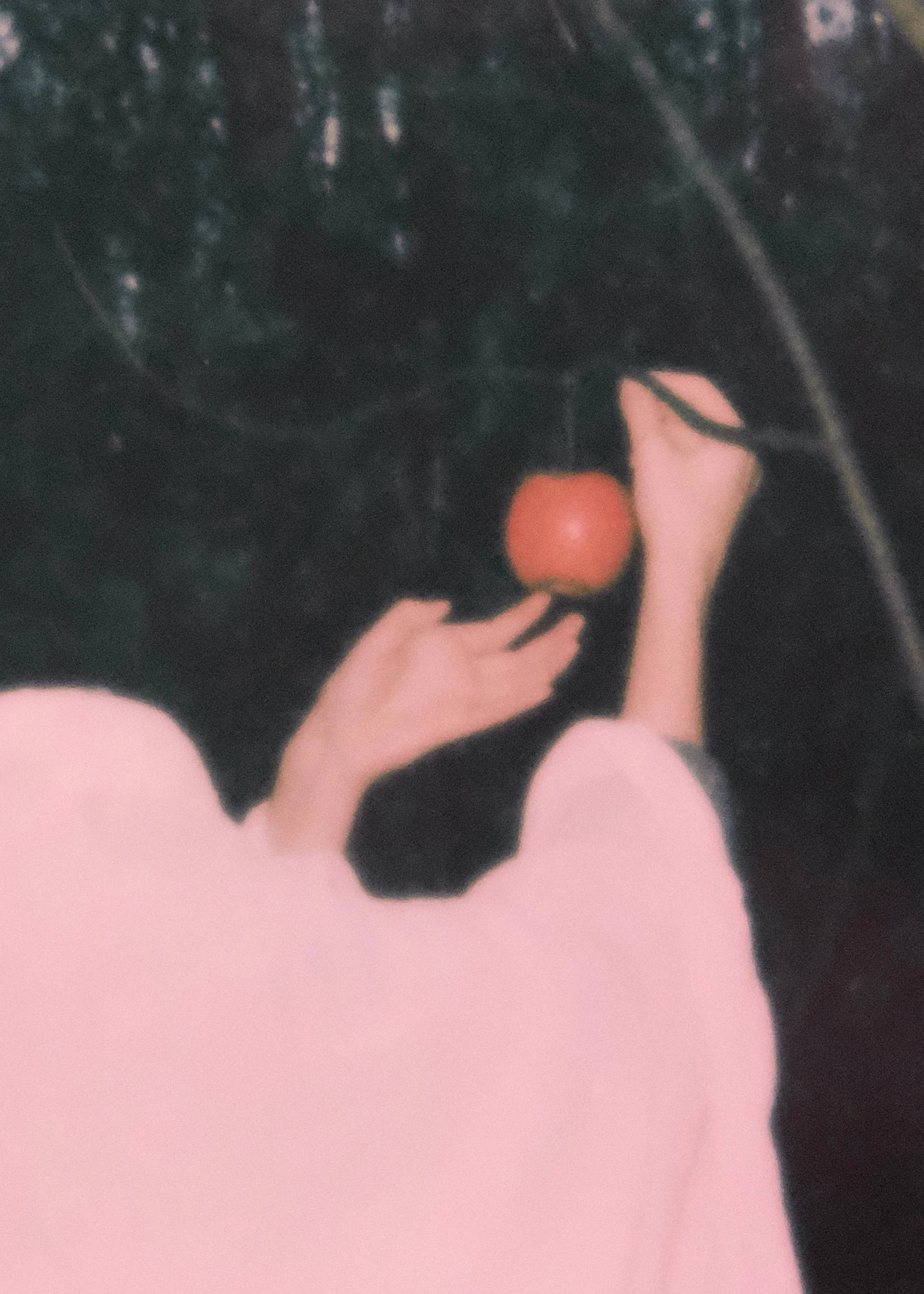
© Emilia Martin
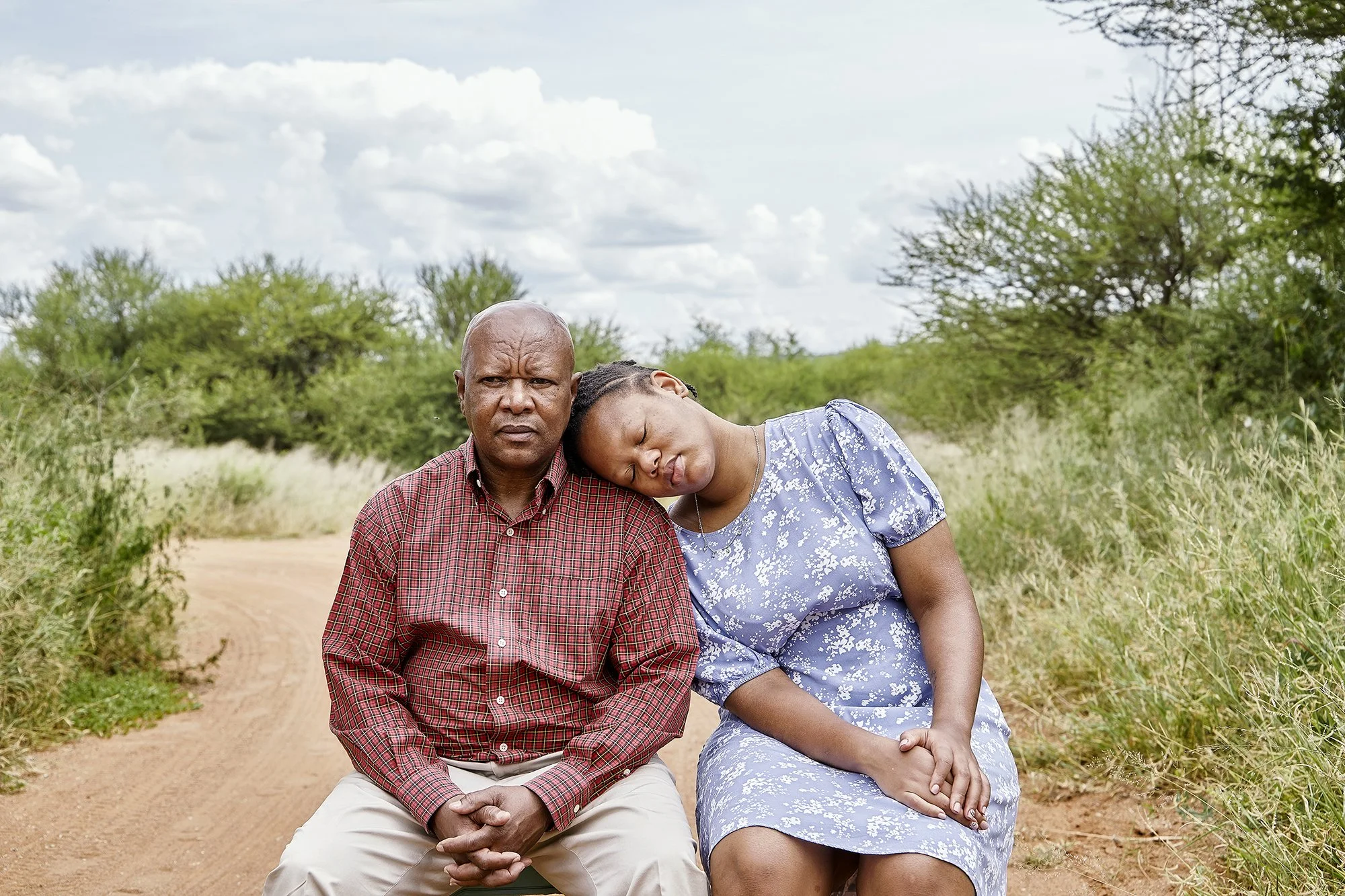
© Thero Makepe
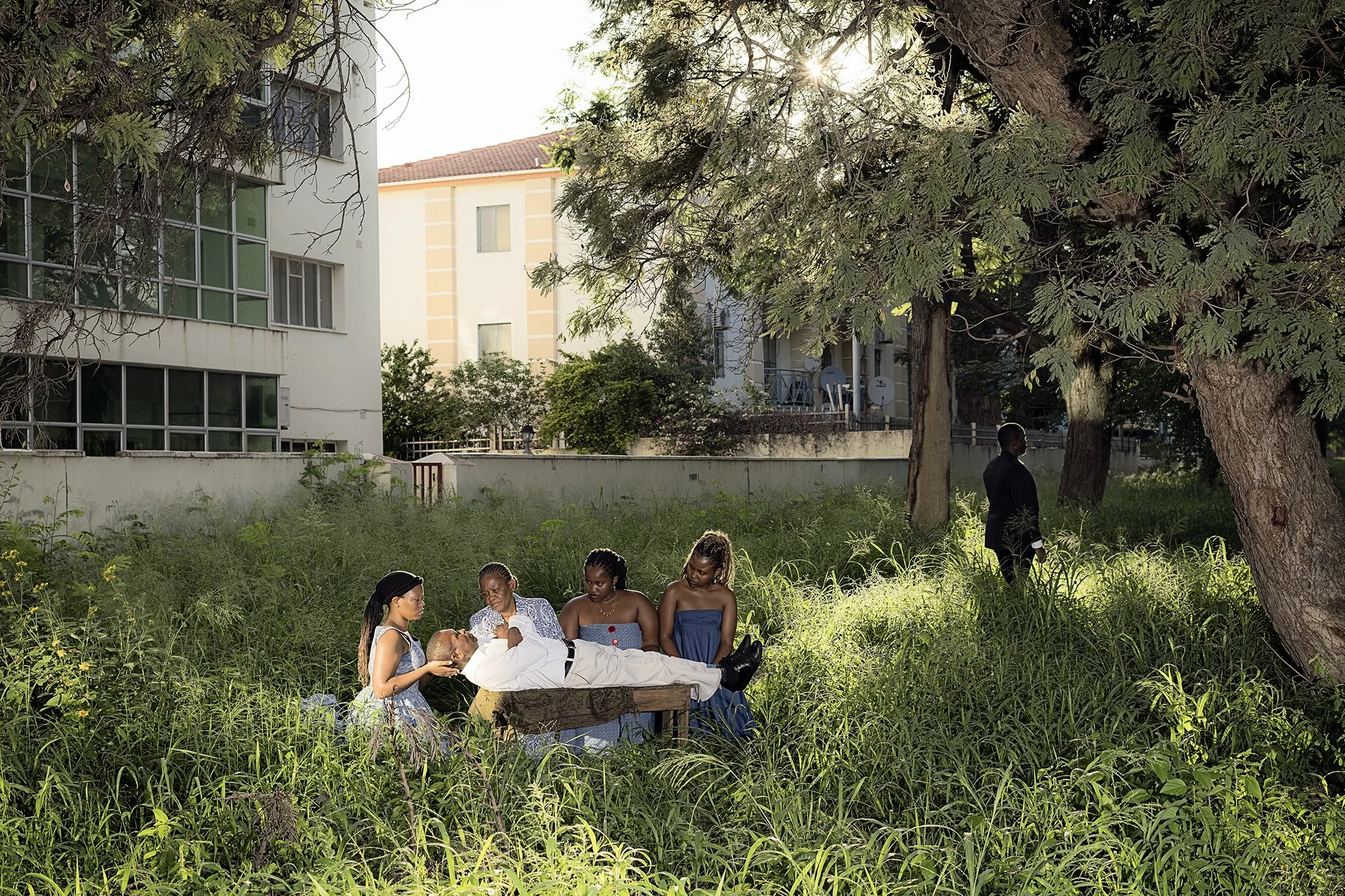
© Thero Makepe
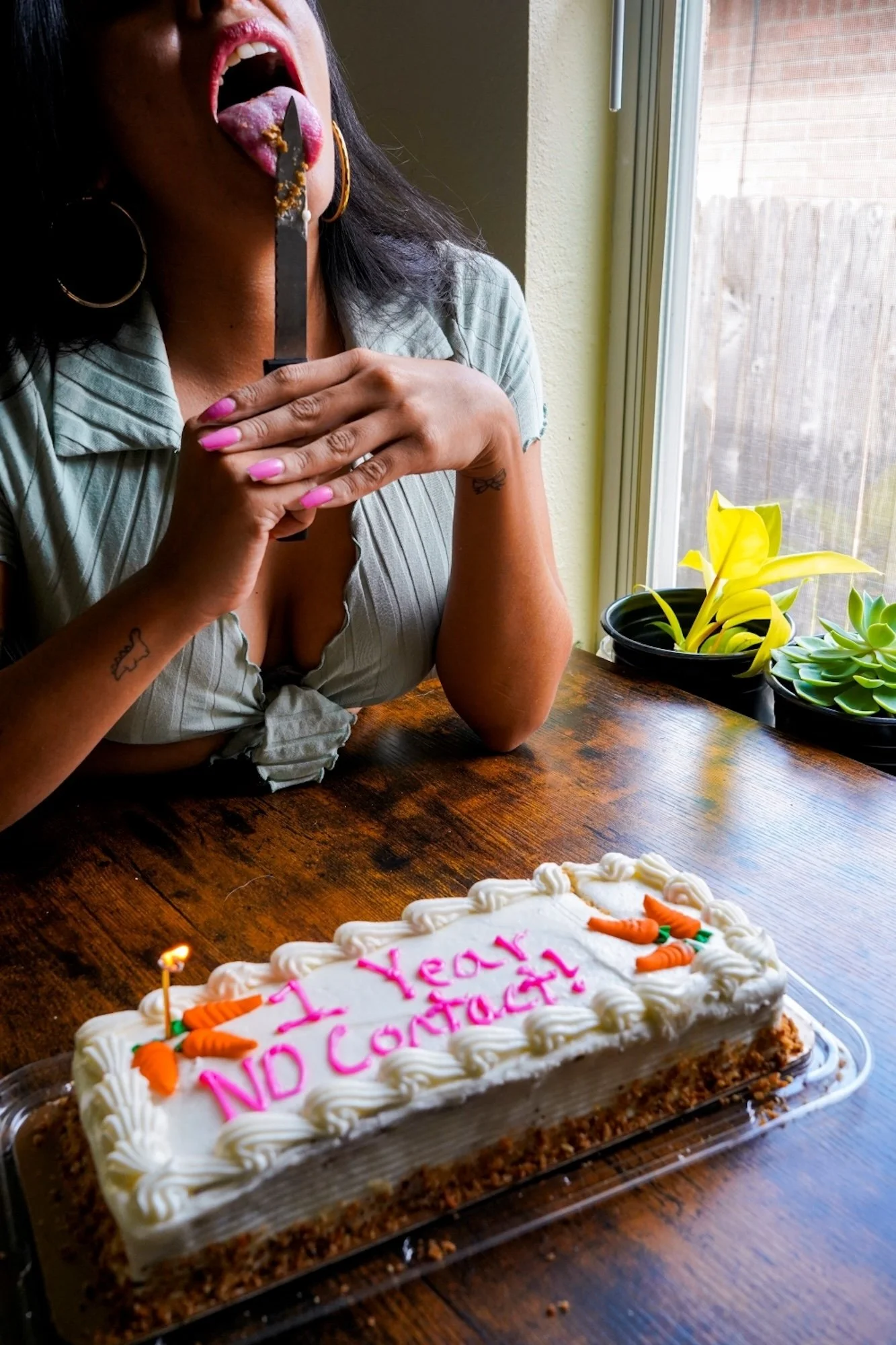
© Gabi Magaly
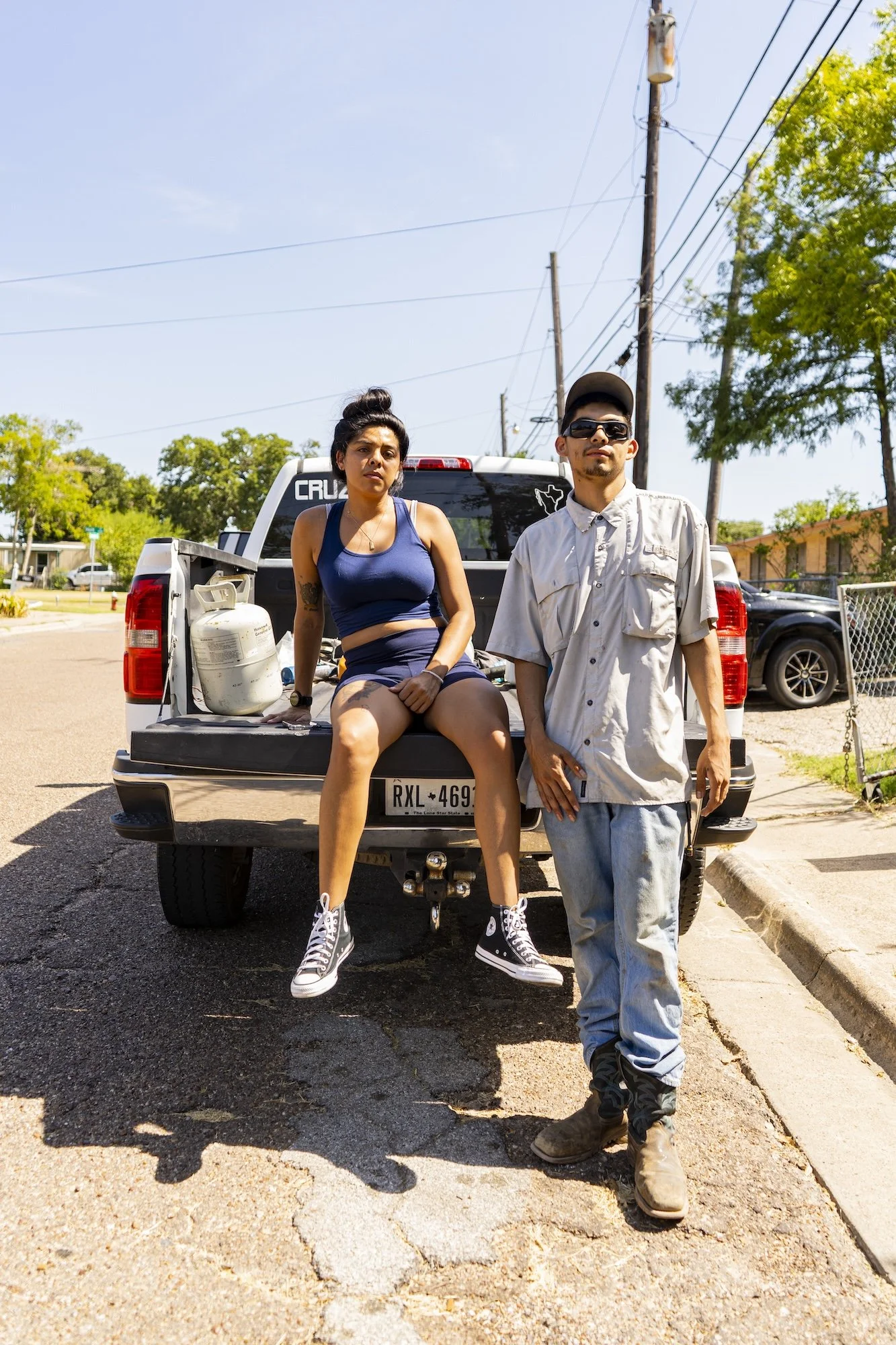
© Gabi Magaly
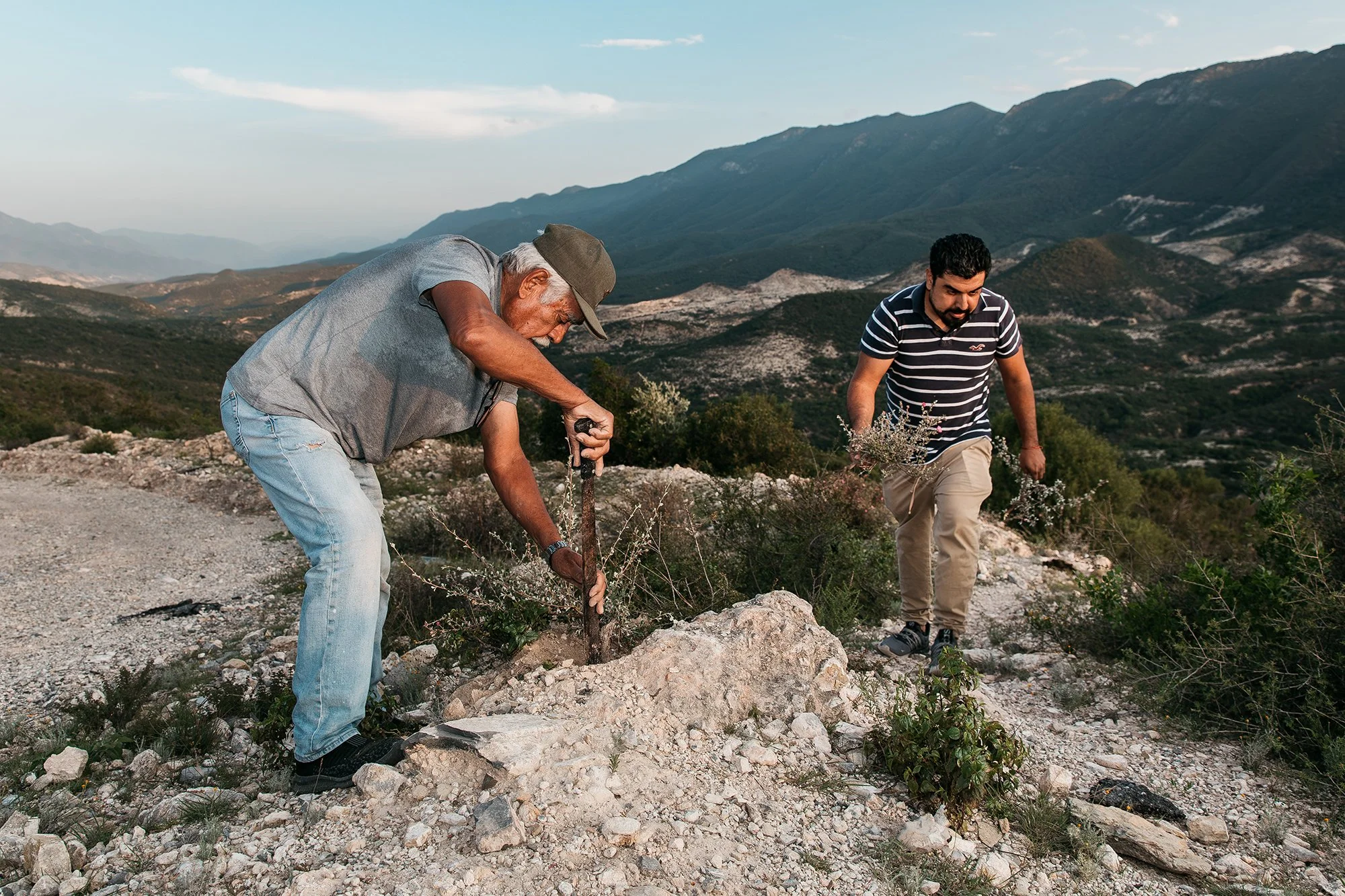
© Edward Hernandez
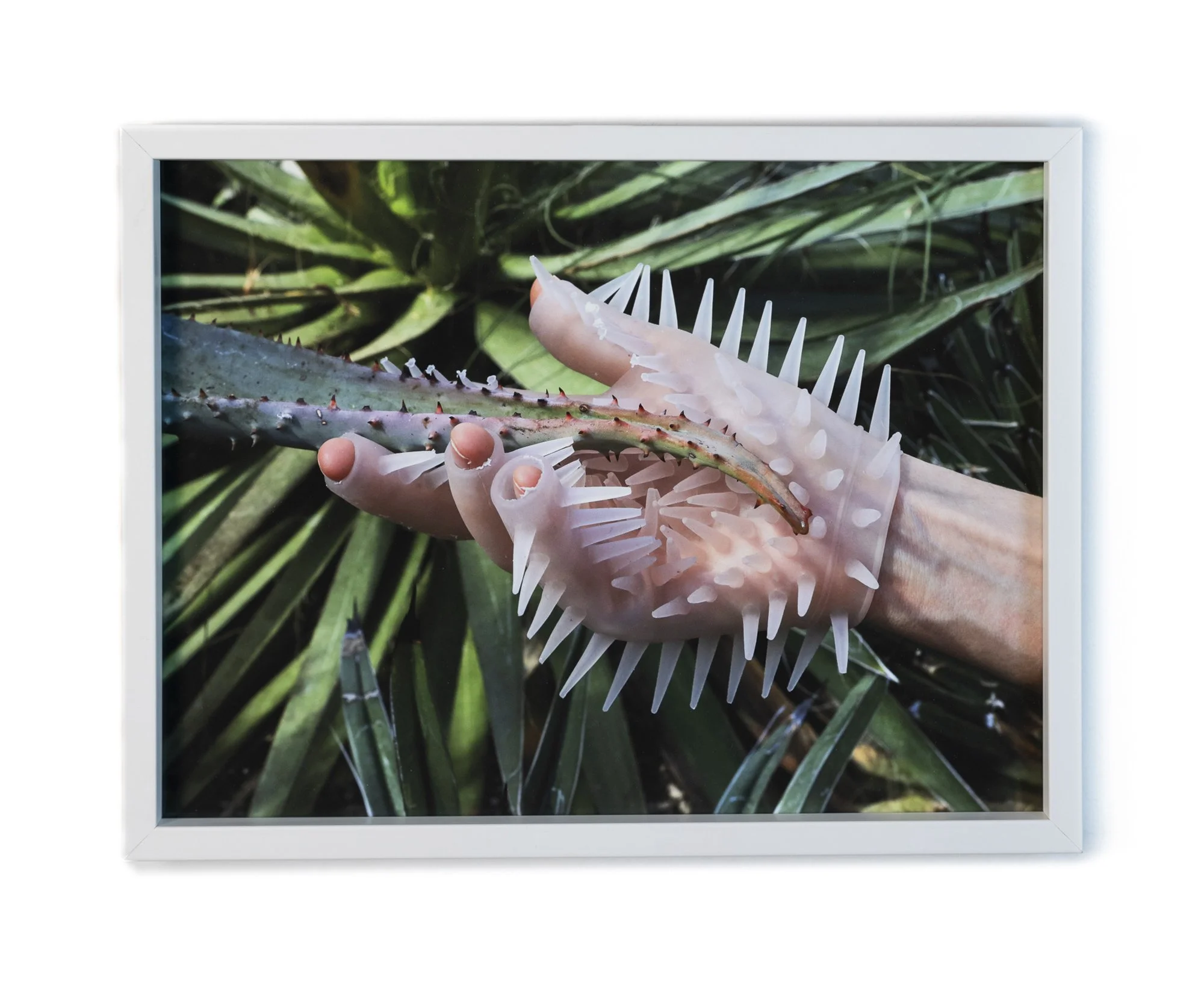
© Marina Cavadini
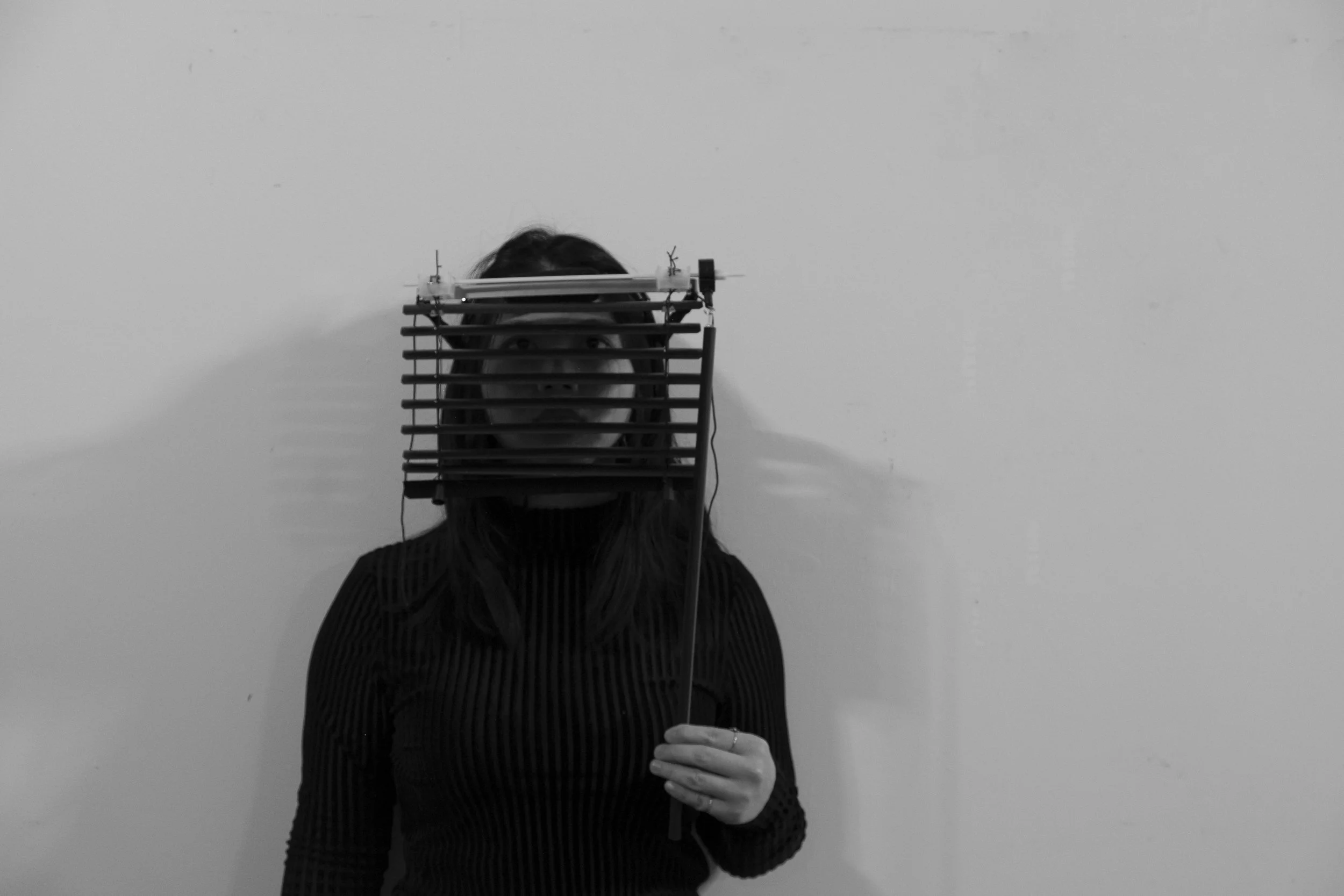
© Lit Wing Hung
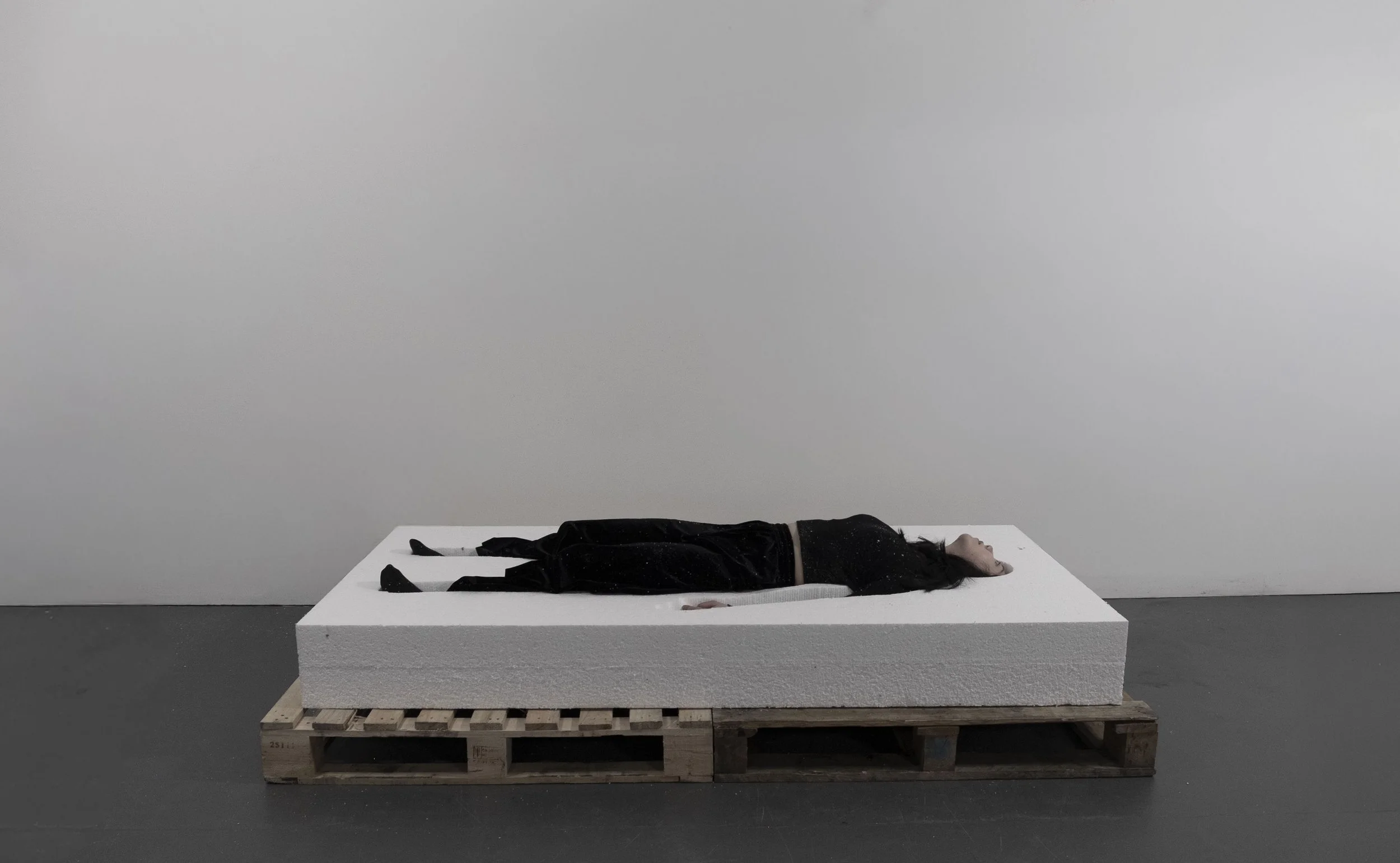
© Lit Wing Hung
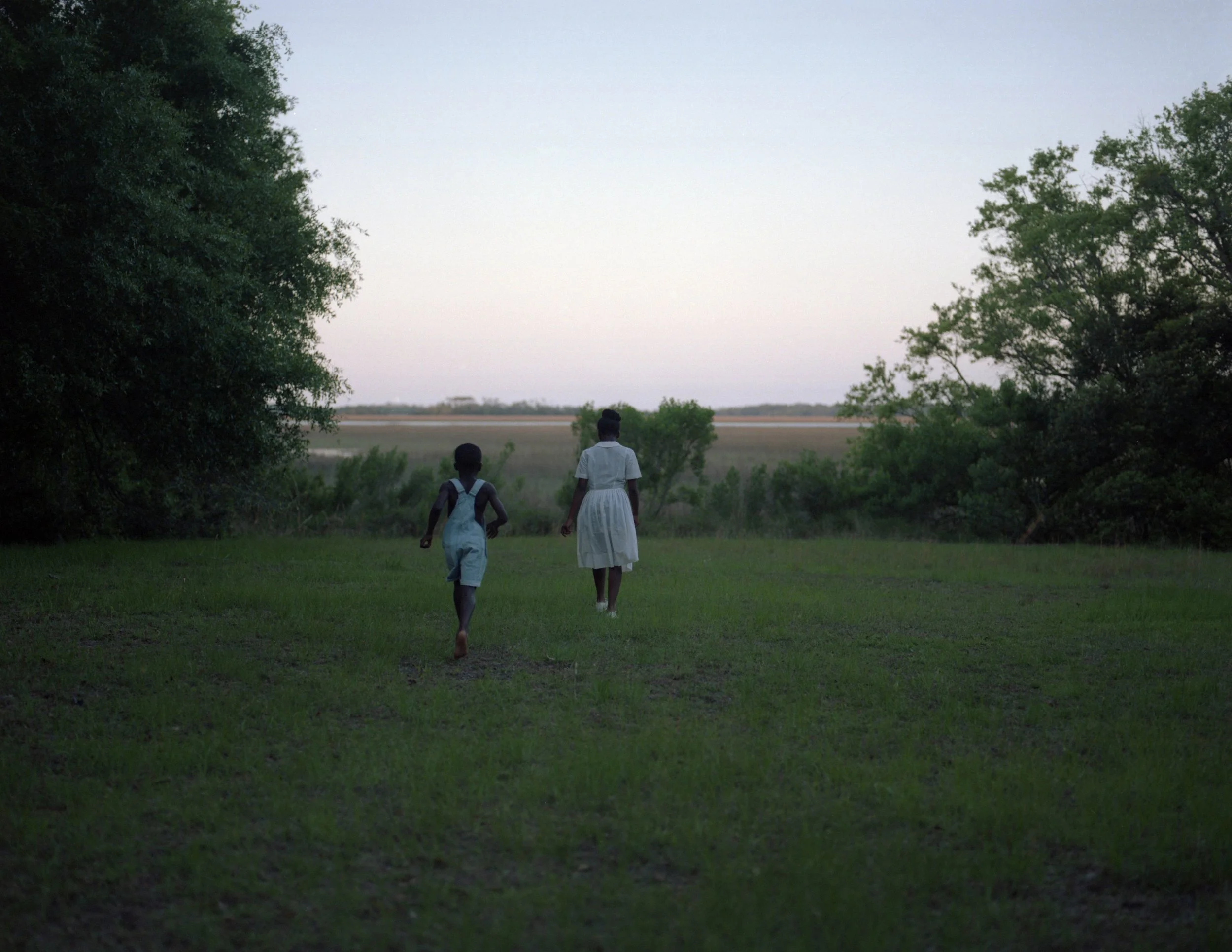
© Kennedi Carter
© Kennedi Carter
© Monica Takvam
© Monica Takvam
© Monica Takvam
© Monica Takvam
© Valentine Ollawa
© Shuyuan Zhou
© Robert Drea
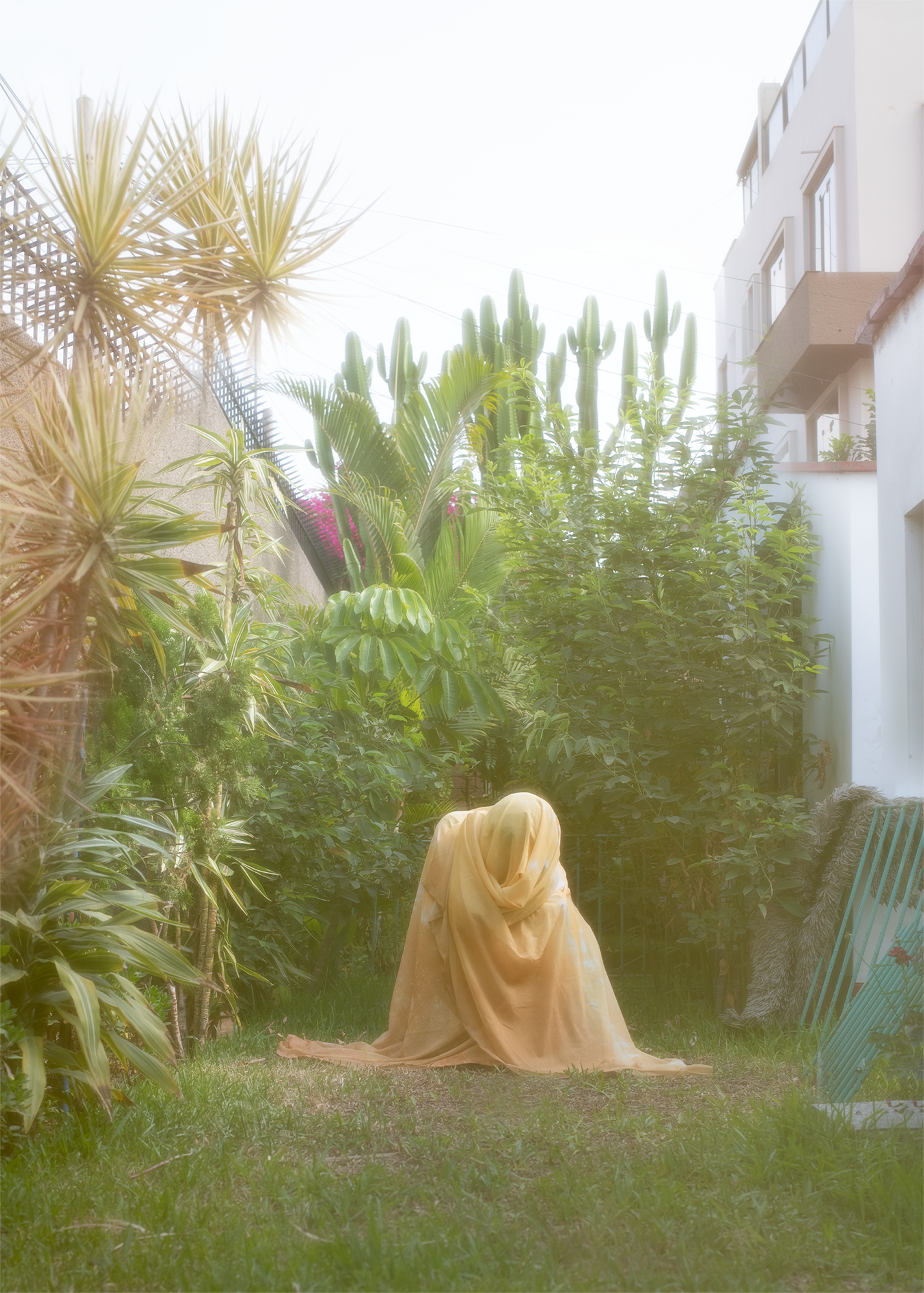
© Stephanie Cuyubamba Kong
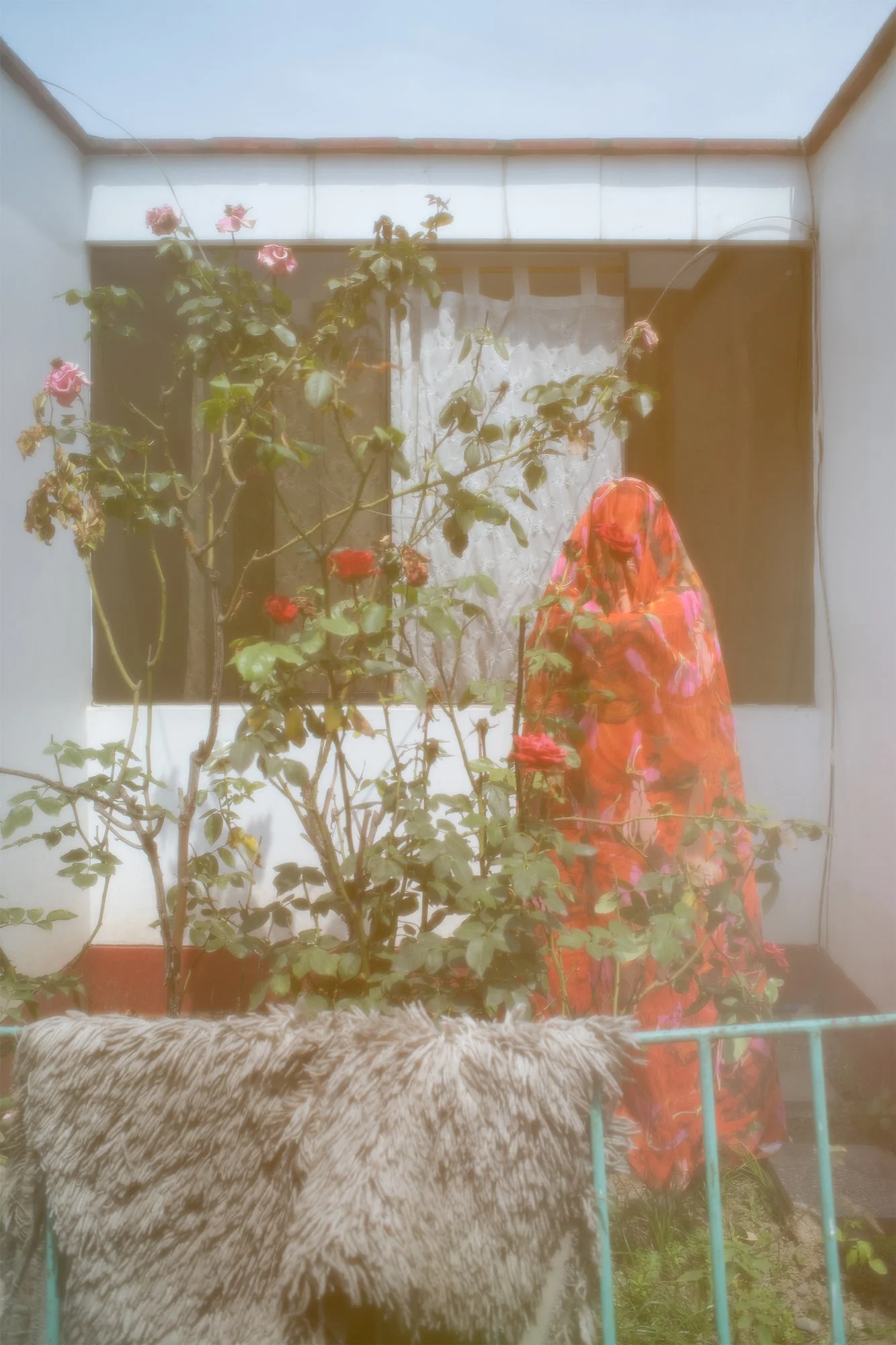
© Stephanie Cuyubamba Kong
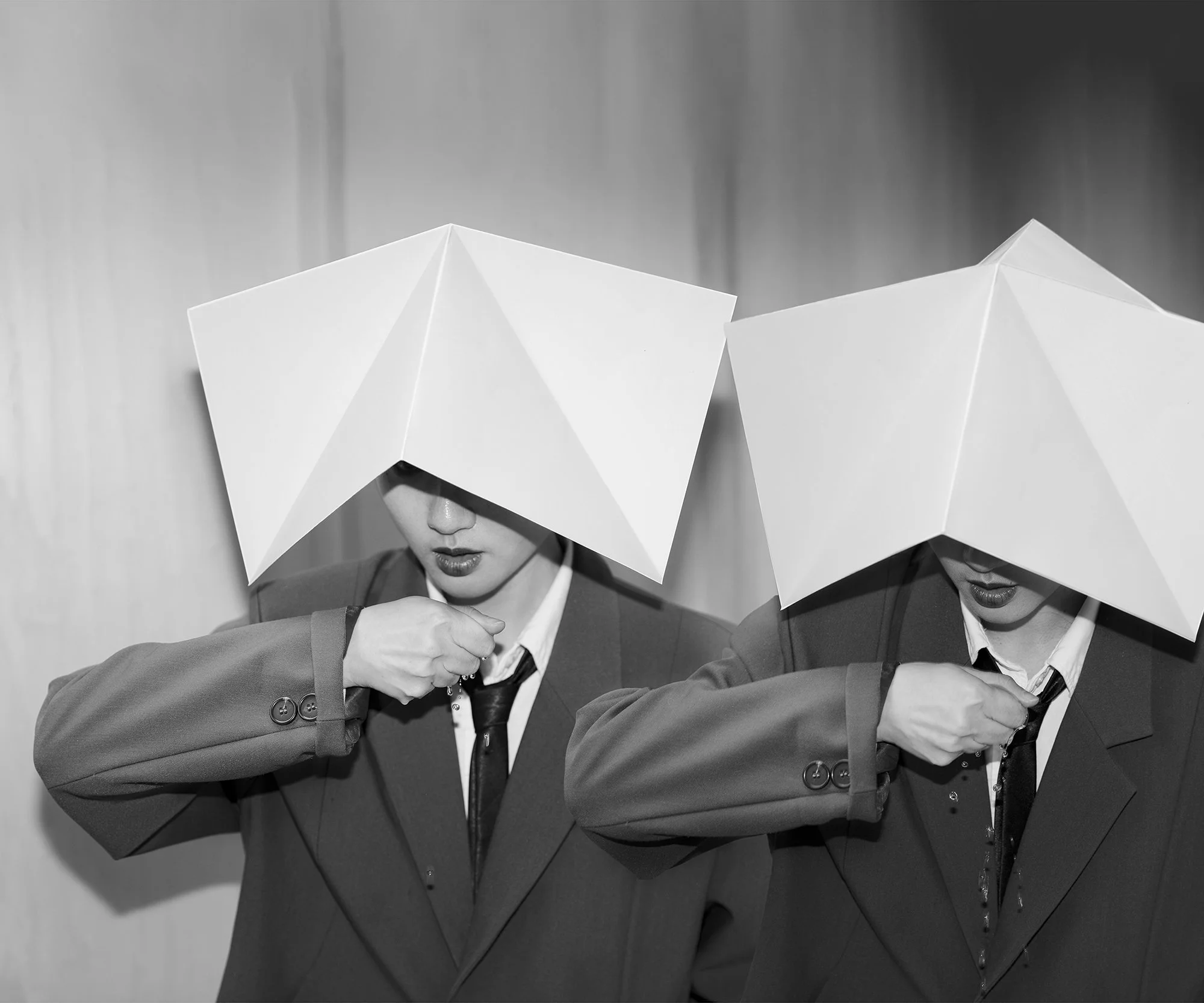
© Jinyong Lian
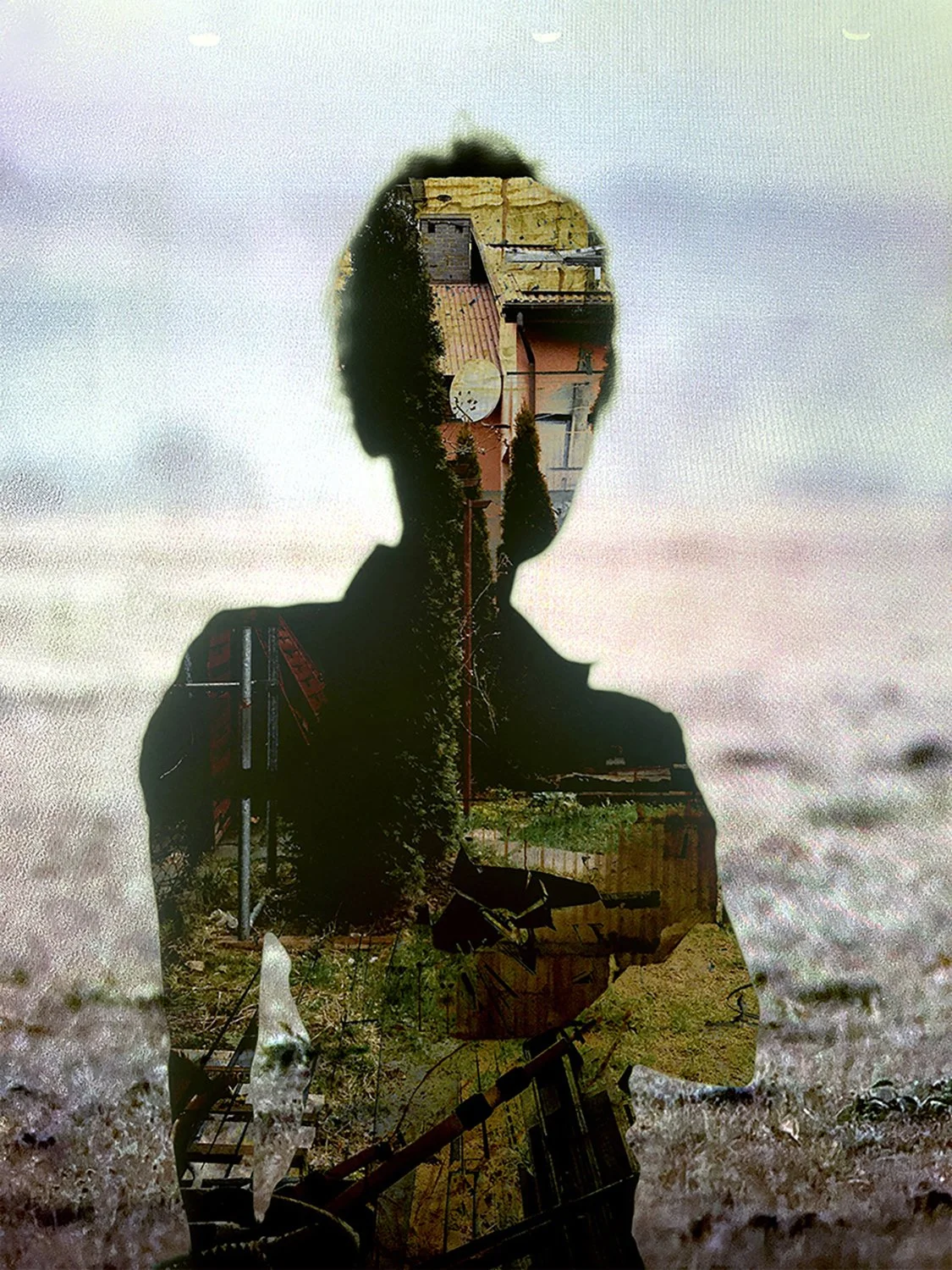
© Ursula Sokolowska
© Derrell Boson
© Atefeh Farajolahzadeh
© Carlos Salazar Lermont
Participating Artists
Derrell Boson (Houston, TX)
Justin A. Carney (Baltimore, MD)**
Kennedi Carter (Durham, NC)
Michael Catarineau (Houston, TX)
Marina Cavadini (Milan, Italy)
Stephanie Cuyubamba Kong (Houston, TX)
Luciana Demichelis (Buenos Aires, Argentina)
Robert Drea (Chicago, IL)
Anselm Ebulue (London, United Kingdom)
Brian Edwards Jr. (Houston, TX)
Alfredo Esparza Cárdenas & Brenda Virginia Castro (Torreón, Mexico)
Miguel Espinosa (Santa Clara, CA)
Atefeh Farajolahzadeh (Bloomington, IN)**
Robert Chase Heishman (Chicago, IL)
Edward Hernandez (Brooklyn, NY | Houston, TX)
Myah Asha Jeffers (London, United Kingdom)
Blya Krouba (Houston, TX)
Chantal Lesley (Austin, TX)
Nyo Jinyong Lian (Paris, France)
Jad Mabsout (Houston, TX)
Gabi Magaly (Houston, TX)
Thero Makepe (Gaborone, Botswana)
Emilia Martin (the Hague, Netherlands)
Jakayla Monay (Houston, TX)
Valentine Ollawa (Houston, TX)
Lexi Parra (Houston, TX)
Carlos Salazar-Lermont (Chicago, IL)
Ursula Sokolowska (Chicago, IL)
Monica Takvam (London, UK | Bergen, Norway)
Aiko Wakao Austin (Scarsdale, NY)
Claire A. Warden (Pheonix, AZ)
Wing-Hung Lit (London, United Kingdom)
Judson Womack (Jackson, MS)
Shuyuan Zhou (Chicago, IL)
Declaración Abreviada del Jurado
Para Un Cuento Sobre Nuestras Madres y Padres, la artista Shuyuan Zhou (n. China, 2001) presenta un retrato familiar del campo. La historia matrilineal de sus parientes vivos más cercanos —una narrativa privada contenida en las texturas y silencios de la serie Mi Tatarabuela, Mi Tía Abuela, Mi Abuela, Mi Madre y Yo— se revela a través de la sutileza del lenguaje visual. En la imagen expuesta aparecen tres generaciones de mujeres. Sin embargo, una persona —la propia Shuyuan, quien ha vivido una vida y tenido oportunidades distintas a las de sus mayores— permanece invisible detrás de la lente.
—Esta historia comienza con mi madre —se lee en la declaración de la artista de Zhou—. Después de nacer, sus padres biológicos intentaron ahogarla. Sobrevivió, solo para ser enviada de niña como esposa infantil. Su tía sufrió el mismo destino; nunca conocí su verdadero nombre. Solo se la recuerda a través de nombres dados por hombres: por su padre adoptivo, por su esposo, por su nieto. Su vida, como la de muchas mujeres del pueblo, fue definida por otros.
Hay 35 artistas de medios fotográficos expuestos en la 43.ª edición del Centro Anual del Houston Center for Photography. Detrás de muchas de las 48 obras que en conjunto conforman Un Cuento Sobre Nuestras Madres y Padres, existe una representación —silenciosa o explícita— de la supervivencia generacional.
Al presentar la imagen Cheryl con Fotos Familiares, el artista nacido en Baltimore Justin A. Carney se establece como un fotógrafo capaz de destacar dentro del firmamento del retrato estadounidense. Su obra completa, titulada Quienes Quedaron Atrás, conduce delicadamente al espectador al encuentro con la familia del artista, aún en duelo. Su trabajo funciona para el público como un proyecto de fotografía artística que busca cuestionar cómo la muerte de un ser querido transforma los vínculos que mantienen unida a una familia. Sin embargo, gracias a una ejecución firme e íntima, Quienes Quedaron Atrás también constituye una elocuente memorialización de momentos frágiles.
En su obra audiovisual Sin Respuesta, Atefeh Farajolahzadeh utiliza una voz narrativa que formula reflexiones en lugar de preguntas imposibles de responder. —No quiero pensar en cuánto tiempo pasará antes de volver a encontrarnos —le dice la narradora a alguien que permanece fuera de escena—. Criada en Irán y residente actualmente en Indiana, Farajolahzadeh emplea capas metafóricas de imagen y sonido para retratar las dimensiones intangibles e internas de la migración y la soledad.
Algunos de los artistas presentes en Un Cuento Sobre Nuestras Madres y Padres no se enfocan de manera evidente en la familia. En cambio, representan historias de linaje, historia y herencia vinculadas al lugar o a la tierra.
Alfredo Esparza Cárdenas (n. México, 1980), en colaboración con Brenda Virginia Castro (n. México, 1983), presenta una serie de diez interacciones secuenciales con el paisaje, donde los gestos físicos de una figura masculina solitaria se desarrollan como si fueran cinematográficos. Existe una cualidad de animación cuadro por cuadro que él representa magistralmente mediante un cuerpo performativo y laborioso que levanta nubes de polvo y permanece junto a ellas en amplios campos abiertos con un paisaje de estética western. El propio Cárdenas describe Levantar la Tierra como —acciones breves que reorganizan la manera en que nos relacionamos con los demás, con el lenguaje y con los entornos que habitamos—.
Las historias globales de nuestras madres y padres habitan aquí, en HCP y en toda Houston. Sus historias y significados llegaron desde Austin y Perú, Bryan y La Haya, Marshall y Botsuana, Nigeria, Hong Kong, Mississippi, Venezuela, Japón y muchos otros lugares. El Centro Anual ofrece una plataforma invaluable donde la comunidad internacional de fotografía contemporánea puede exhibir junta.
About the Juror, Asha Iman Veal
Asha Iman Veal is a curator for globally collaborative exhibitions of contemporary art, focused on conceptual photography and moving-image, cross-diasporic themes, and intercultural dialogues through methodologies of art education. Veal is a professor at the School of the Art Institute of Chicago. She lives and works between Paris, France and Chicago, Illinois.
Asha Iman’s recent past exhibitions include: Black Creativity at the Museum of Science & Industry (Chicago 2025); Everyone Wants to Know More / Beyond the Realm of Fantasy, Faculty Triennial at the MSU Broad Museum by Zaha Hadid (Michigan (2024); LOVE: Still Not the Lesser at the Museum of Contemporary Photography (Chicago 2023); Beautiful Diaspora / You Are Not the Lesser Part at the Museum of Contemporary Photography (Chicago 2022); RAISIN (vol1) at the Chicago Architecture Biennial (Chicago 2022); Martine Gutierrez at the Museum of Contemporary Photography (Chicago 2021); Dream at Hyde Park Art Center (Chicago 2021); The Tokyo Show: Black & Brown Are Beautiful at the Hyde Park Art Center (Chicago 2019); and more.
She’s visited as an invited lecturer at institutions including GRAIN Projects UK, Humanity In Action – Netherlands, Istituto Italiano Cultura Chicago, Pakhuis de Zwijger Amsterdam Netherlands, San Diego State University, Stockholm University Department of Culture and Aesthetics, and more. Veal regularly serves as a guest critic and jury reviewer for awards and residencies, including the East African Photography Awards, Terra Foundation/American Academy in Rome, Visual Studies Workshop NY, University of Chicago Arts + Public Life, and more. She’s a frequent invited portfolio reviewer and crit panelist for organizations including the FORMAT International Photography Festival UK, Rencontres d'Arles France, FotoFest Houston, University of Chicago DOVA, RISDI, Chicago Artist Coalition, and others. She contributed to the recent texts: Jess T. Dugan & Charlotte Cotton: Love Pictures (2026 Radius Books), Diasporas are the Landscape (2025 Visual Studies Workshop), Here, There: New Perspectives on the Collection (2025 Illinois State Museum).
Veal is a board member of Filter Photo in Chicago.
(BA New York University, Gallatin School of Individualized Study. MFA The New School. MA at the School of the Art Institute of Chicago. PhD The University of London Institute in Paris, in process)
About The Center Annual
The Center Annual is Houston Center for Photography’s yearly group exhibition that seeks to highlight and provide insight into current themes, technologies, and practices in photography. The show features a diverse array of works from members of our global photography community and is selected by a leading curator, editor, or artist. This annual exhibition opens our galleries to photographers from anywhere in the world, whether emerging, mid-career, or established, and as such, aims to provide viewers with critical insight into our current moment—both within the field of photography and within society at large.
**Each year two artists are selected to receive the Center Annual Award. This year's recipients are Justin A. Carney and Atefeh Farajolahzadeh.
About the Artists
Derrell Boson
Derrell Boson is a Director / Photographer based out of Houston,Texas. Derrell Boson learned photography at Texas Southern University, and now works as a full time director and photographer. His work focuses on African American culture and its representation.
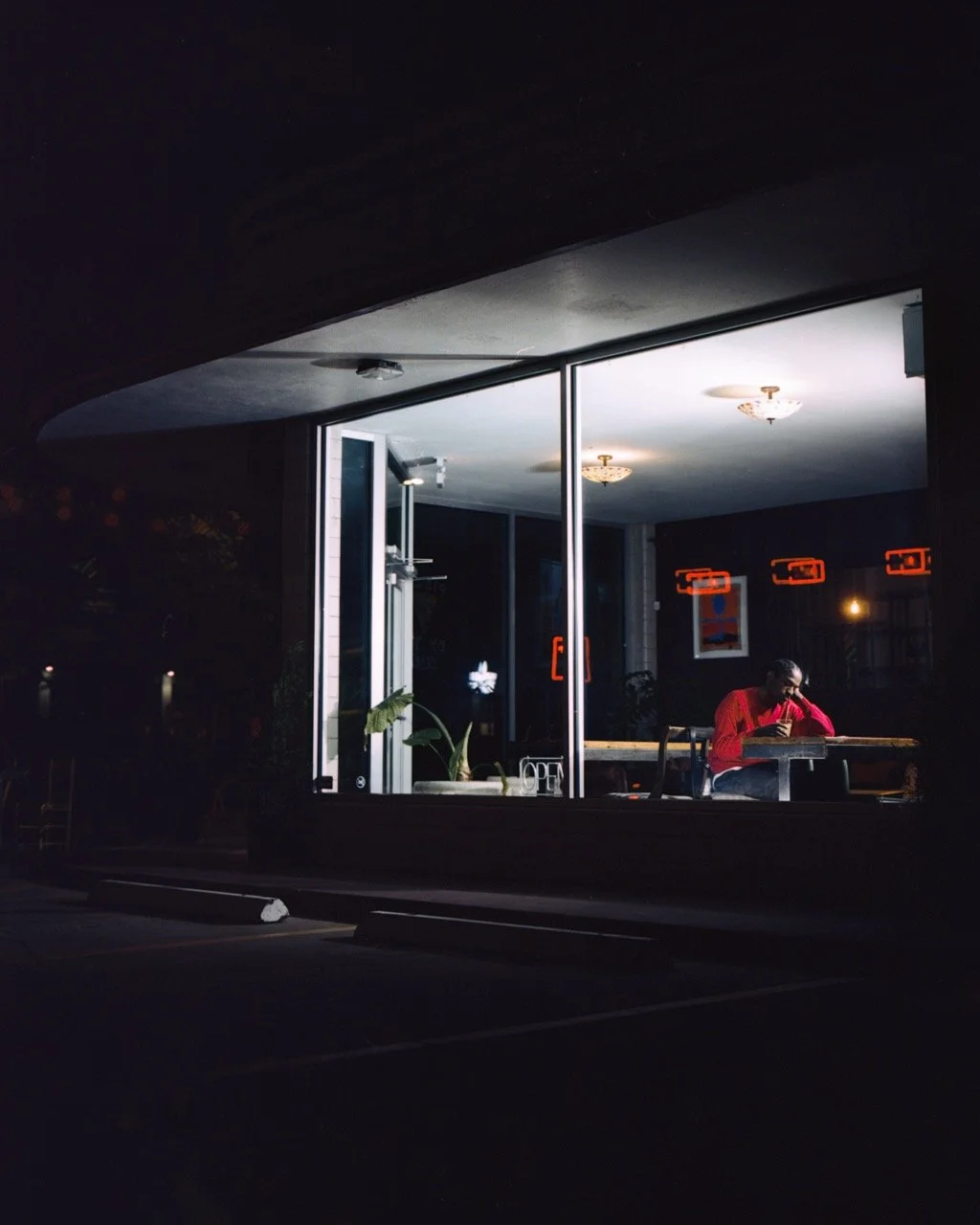
This body of work draws visual and conceptual inspiration from Christina’s World, reinterpreted through the lens of Afro-Baroque aesthetics. Where Wyeth’s original painting evokes isolation, longing, and a restrained stillness within the American landscape, this photographic series expands that emotional terrain by centering Black subjects within spaces that oscillate between vulnerability and opulence. Influenced by Afro-Baroque visual language—marked by richness, ornamentation, and a reclamation of historical narratives—these images confront the absence of Black bodies in traditional Western art histories while simultaneously reimagining their presence. Textures, fabrics, and gestures become symbolic tools: lush materials contrast with grounded, earthen environments, creating a tension between displacement and belonging. Like Christina’s distant gaze toward an unreachable home, my subjects exist in a suspended state—caught between aspiration, memory, and inherited histories. However, unlike the quiet resignation of Wyeth’s figure, these subjects embody agency. Their posture, styling, and placement assert a narrative of self-possession within spaces that were never designed to hold them.
Claire A. Warden
Claire A. Warden (b. Montréal, Québec) is an interdisciplinary artist working in still and moving image media. Her work engages and challenges representation, portraiture, racialized experience, and language in United States. She received a BFA and BA from Arizona State University and an MFA from the School of Art Institute of Chicago. Her work has been exhibited in the United States and abroad, and featured in publications including Harper’s Magazine, Der Greif, Lenscratch, and Light Work. She has received awards, grants, and residencies, including at Latitude, ACRE, and Penumbra Foundation.
Mimesis is an ongoing series that engages identity, representation, and language through abstraction and experimental image-making. The creation of this work comes when the struggle to accept the unfamiliar and unkown is pervasive in American culture. When looking at my work, the urge to ask “what is it?” echoes the question, “what are you?” – a question directed to me countless times as a person of color with a diverse ethnocultural heritage and one I increasingly tend to resist. This carries through the work as resistance to definition and, instead, emphasizes opacity and illegibility. These concepts, informed by anti-essentialism and decolonial theory, ultimately make way for my experimental image-making practice as mode to subvert the problematics of representation in photography, particularly in addressing experiences had by people of color. I believe it is important to know that the Mimesis series is photographic—cameraless photographs—and that I developed a cameraless process that uses saliva to break down the emulsion of film. What is left is metallic silver and my biologic matter—thus exploring photographic materiality, identity formation, and illegibility. These works of self-portraiture do not show a viewer what I look like but are built from my DNA and shaped by my experiences.
Blya Krouba
Blya Krouba is a mixed-media artist born in Côte d’Ivoire and raised in the US. Her work is centered around photography that examines migration and image equity of Black women. Drawing from personal experience, she addresses issues such as colorism and contemporary narratives that shape how Black women are seen and understood. Her installations incorporate fabric and domestic elements. She brings individuals into conversation, documenting exchanges that transform strangers into community, while referencing both photographic history and lived experience. Ultimately Her work affirms, celebrates, and expand representations of Black womanhood while creating spaces for healing, connection, and shared storytelling.
These pieces (triptych) dive into the experiences of African women who live in America. The expectations from our family, society and those that we set on ourselves. Within the scope of expectations comes the power of knowledge. “To whom much is given, much is required”. What does it mean to be “woke”? To have family secrets, personal pains, to shoulder the weight of systemic racism, colorism and white supremacy? These specific images strip this woman of such knowledge and expectations, and place her in her childlike form– In bliss, and ignorance.
Jakayla Monay
Jakayla Monay is a photographer and filmmaker. Her work moves through the layers of Black life in the South. Each project begins with the innocence of childhood and culminates in the wisdom of elders to build visual conversations tracing how we grow, learn, and then return to ourselves. Monay’s work has been shown in solo and group exhibitions across Houston, including Welcome to The Mothership: We Gather In Their Names at the Community Artists’ Collective and SALVATION at the Anderson Center for the Arts and FOTO Fest. In 2023, she received the Inaugural Jones Artist Award from the Houston Endowment.
My work begins with memory and unfolds into what I want to see in art spaces and in the world. I study how Black people carry stories, through our gestures, rituals, and the everyday moments that sustain us. Each project follows a certain rhythm. Beginning with a child and ending with an elder. It’s a way to trace the cycle of becoming and returning, of learning, unlearning, and remembering. My work doesn’t center trauma, it centers what comes after. The softness that survives. The moments when we rebuild. I’m drawn to those spaces. Side profiles appear often in my images. Historically, that angle was used to catalog and dehumanize Black people. For me, it’s a form of reclamation, an act of quiet resistance. By reimagining that view, I’m restoring dignity and giving shape to presence. Working primarily with photography, I approach image-making as both documentation and transformation. As of today I am actively incorporating material and process-based experimentation to expand how images hold time and presence. I am currently integrating alternative techniques such as cyanotype and retro-reflective print processes, allowing light to become an active element in the work.
Ursula Sokolowska
Ursula Sokolowska was born in Krakow, Poland. She received her BFA from the School of the Art Institute of Chicago in 2001. Her work, while deeply personal, explores themes of psychological fragmentation and the objectification of identity. Her work has been exhibited nationally and internationally, with notable shows at The Travelling Gallery (Edinburgh, Scotland), the Saatchi Gallery and Zoo Art Fair (London), the Royal Academy of Arts (UK), the Minnesota Center for Photography, and Schneider Gallery (Chicago). In 2024, she was honored with the prestigious Meier Award in recognition of her contributions to contemporary photography.
Multiples is a deeply personal exploration of identity, fragmentation, and resilience. This series presents abstract self-portraits that reflect the emotional dissonance of navigating loss and self-reconstruction. Using layered photographic techniques, I deconstruct and reassemble my own image, revealing the multiplicity of selves that appear in the aftermath of profound change. Through distortion, repetition, and erasure, these works embody the tension between visibility and disappearance. Between who I was, who I am, and who I am becoming. The fractured forms and shifting perspectives mirror the psychological experience of uncertainty, grief, and renewal. By embracing abstraction, Multiples resists a singular narrative, instead offering an evolving dialogue between the past and present. This series is not just about loss; it is about transformation. It speaks to how personal upheaval forces us to confront our own fluidity, challenging the fixed notions of identity we once held. In these images, I find both rupture and repair, destruction, and reinvention. A visual meditation on the process of becoming whole again.
Stephanie Cuyubamba Kong
Stephanie Cuyubamba Kong (b. Ohio) is a Peruvian-American artist and educator working between Houston, Texas, and Lima, Perú. She is a former Fulbright U.S. grant recipient (2022-2023, Perú), and has exhibited locally and internationally with institutions including the Houston Center for Photography, Blaffer Art Museum, Friends Gallery, FLATS, the University of Dayton, Monumental Callao, Wave Pool Gallery, Northern Kentucky University, Magenta Galeria, and the University of Kentucky. She currently resides in Houston, TX, where she is an instructor and MFA candidate in the Photography department at the University of Houston.
Stephanie Cuyubamba Kong is a Peruvian-American artist and educator, whose lush aesthetic approach belies a melancholy situated in diaspora. Her self-portraits center vulnerability, melancholy, and softness, rejecting photographic fetish by refusing to self-exoticize in front of the camera. Her practice navigates the complexity of embodying both pre-columbian and colonial pasts through self-portraiture and installations. With a post-colonial sensibility, she critiques the objectification of ancestral cultures imposed by the anthropological lens, whilst also highlighting a dialogue between contemporary Lima and its material past. Her work mines representations of place, culture, and self through material and gestural metaphors, like the Paracas burials appropriated as museum objects and ethnographic subjects. She shrouds herself like these ancestral figures, but a visual sensibility towards shrouding, veiling, and haze often obscures the subject (the artist), and she considers this visual strategy a rejection of legibility, or a way of mitigating the ease of visual consumption of her own body. By implicating herself, body, and labor in the making of each image; she expresses how diaspora complicates our relationship to the past, and is carried as emotional weight within the present.
Edward Hernandez
Edward Hernandez is a Mexican American photographer based between Brooklyn, New York and Houston, Texas. Through portraiture and landscape, his work examines personal histories, identity, and relationships to place. He received his BFA in Photography from Pratt Institute in 2025. His work has been exhibited at Griffin Museum of Photography, Pratt Photography Gallery, and Munson-Williams-Proctor Arts Institute, among other venues in New York and Houston.
Mis Ojos Son Tus Ojos began as an attempt to understand a place I had known my entire life through stories. My parents left Linares, Nuevo León, Mexico, in 2000 and built their lives in Houston, Texas, carrying with them memories of a home that became increasingly difficult to return to. Growing up, their histories were passed down through photographs, family stories, and the repeated phrase, "Mis ojos son tus ojos" ("my eyes are your eyes"). In 2025, I traveled to Linares for the first time, using photography to retrace the landscapes, relationships, and memories that shaped my family long before I was born. The photograph Entre Los Montes was made during that journey and reflects my ongoing effort to understand my family’s relationship to the land and the ways knowledge, memory, and belonging are carried across generations. I think of these photographs as visual heirlooms, preserving moments, histories, and relationships in a constant state of change while offering a way to carry memory across distance. Through this work, photography becomes both a record and a gesture of return.
Miguel Espinosa
Miguel Espinosa is a visual artist based out of San Jose California. He grew up in Colorado Springs, Colorado. He received his bachelor's in fine arts from the Laguna College of Art + Design in 2018.
I see portraiture as an important tool for documenting personhood. I realized how blind spots in knowledge limit the way we imagine the past. I want viewers in the future to imagine our time now and not have to worry about having blind spots in their imaginings of our time. I appreciate honoring folks here and now with my portraits. Longterm, I am interested in creating work that ensures representation for communities that are under-recognized or mischaracterized.
Judson Womack
Judson Womack (he/him)(b. 1995) is a photographer and educator based between Jackson, Mississippi and Chicago, Illinois. He holds a BFA in Art from Davidson College and an MFA in Photography from Columbia College Chicago. Womack's work presents a photographic exploration of embodied and inhabited “place” through landscapes, precious objects, and beloved rituals; having first begun in classical media, evolving instead towards the meaningful constraints of the photographic medium. In 2024, he was selected as Columbia College's Abelson Graduate Research Fellow and in 2025 for Lenscratch's Student Prize "Top 25 to Watch.” Womack lives, works, and teaches in Jackson, Mississippi.
Lay Us Down is a reflection on place and self in the Deep South. These images are about my home, my “place,” in every important meaning of that word. That is to say I don’t know how to describe my place to you. I want to, desperately. Every one of these photographs was made with the sort of frantic, obsessive desperation of someone struggling to convey the complexities of that fundamental piece of self which seemingly ought to be the most comprehensible and communicable. Therein may be why I began making these photographs. Every now and then, a familiar aspect manifests itself and I can place this little box down and record it, such that I might piece together a portrait of place—the explanation of self—I’m longing for. I don’t suspect this journey ends in peace. Together, these images form a psychological landscape bound between its nostalgia and its decay. Each of these frames is a portal into the dimension where time doesn’t exist; where the South’s ghosts, of all its horrors and myths, pass each other on the road every day. To remain here may be to become one of them. That feels like home, where you’ll find me.
Monica Takvam
Monica Takvam is a visual artist based in London and Norway, dividing her time between projects and research, commissions, curating and lecturing photography. Her work is often concerned with how we see, and in an often participatory and community based practice, she use photography, text, oral history, illustration, video and sound to explore knowledge, language and identity. She holds a Master from University of the Arts London, London College of Communication, and has lectured photography at several universities across England. She has been the managing director of Renaissance Photography Prize, she now runs Kunstgarasjen, Norway.
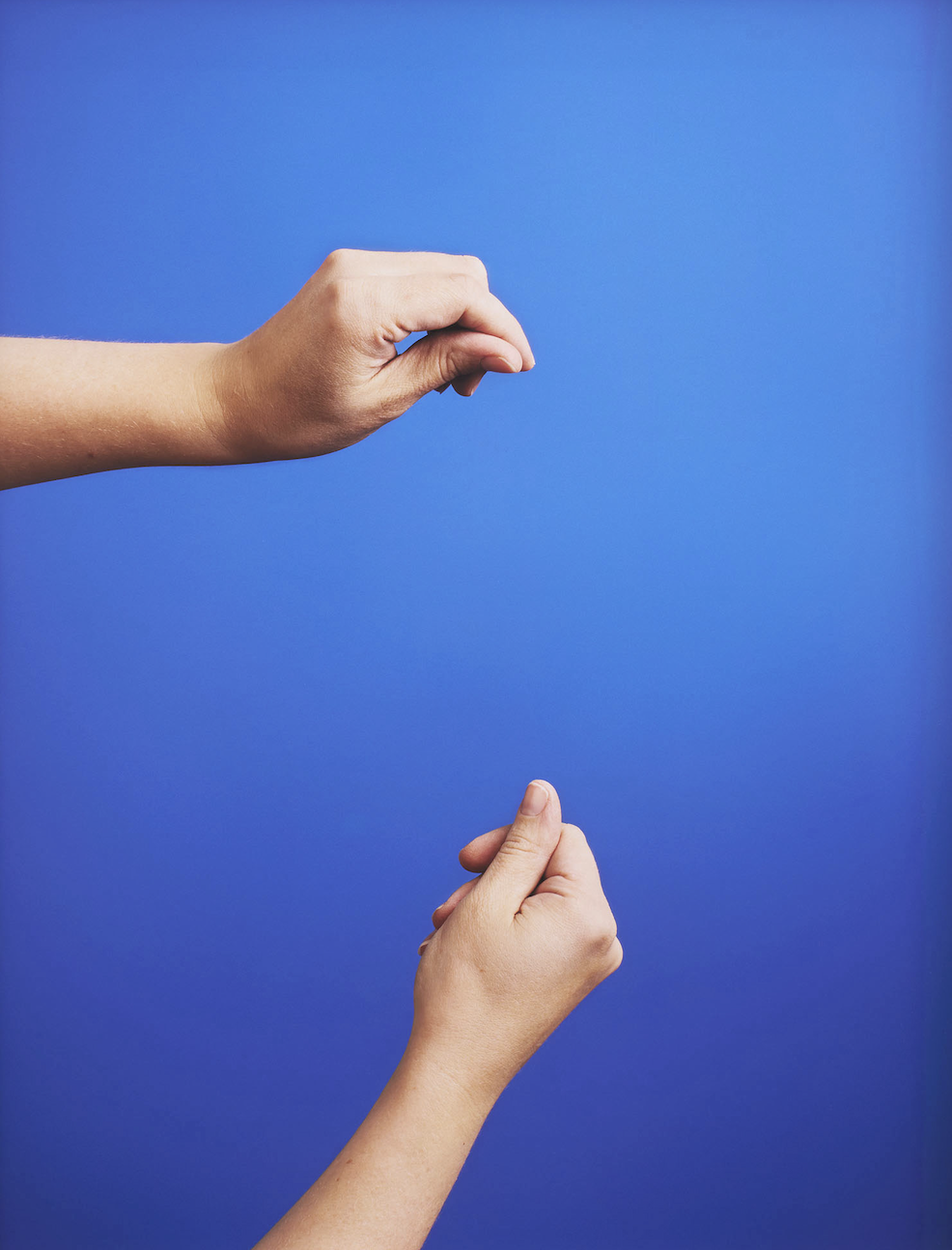
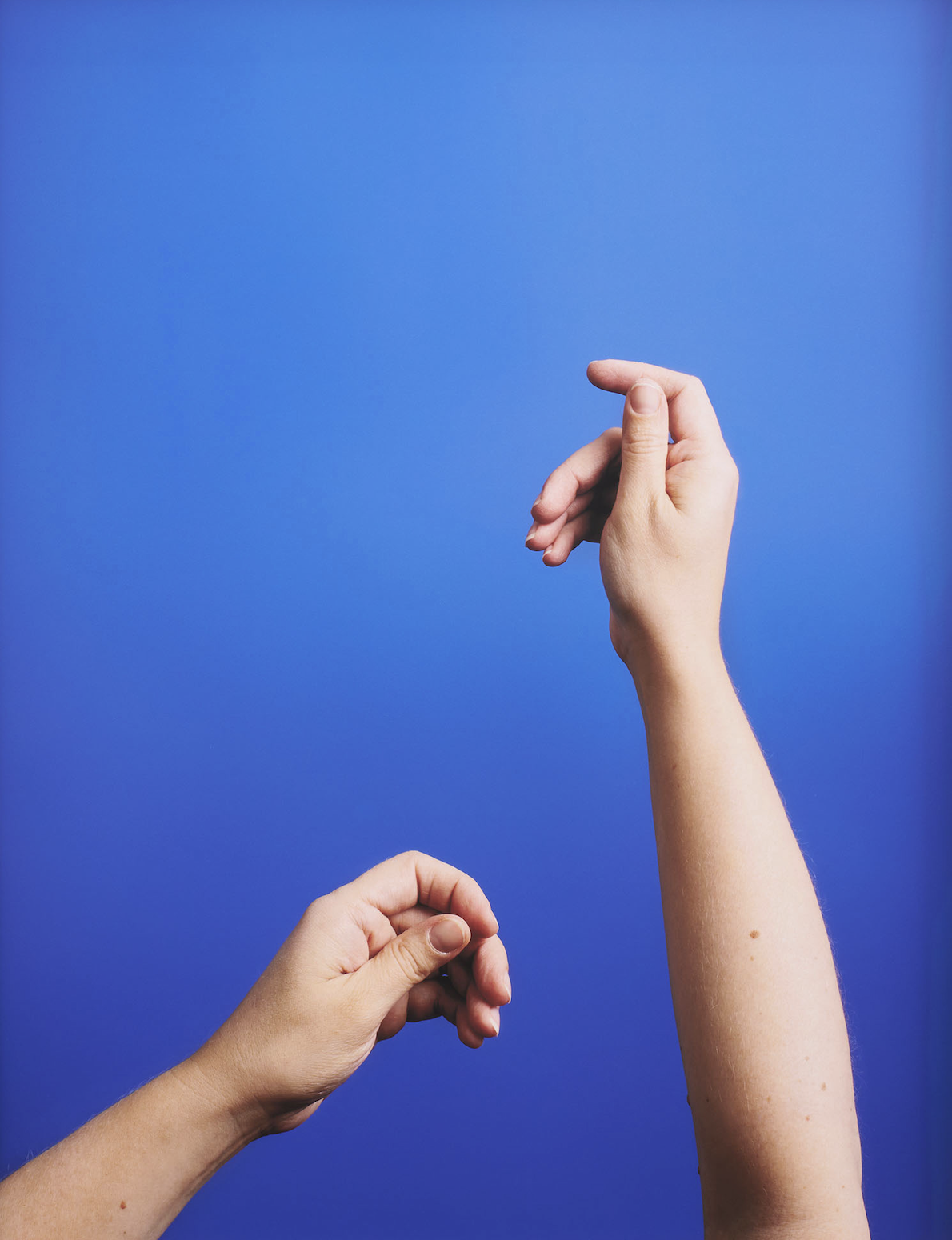
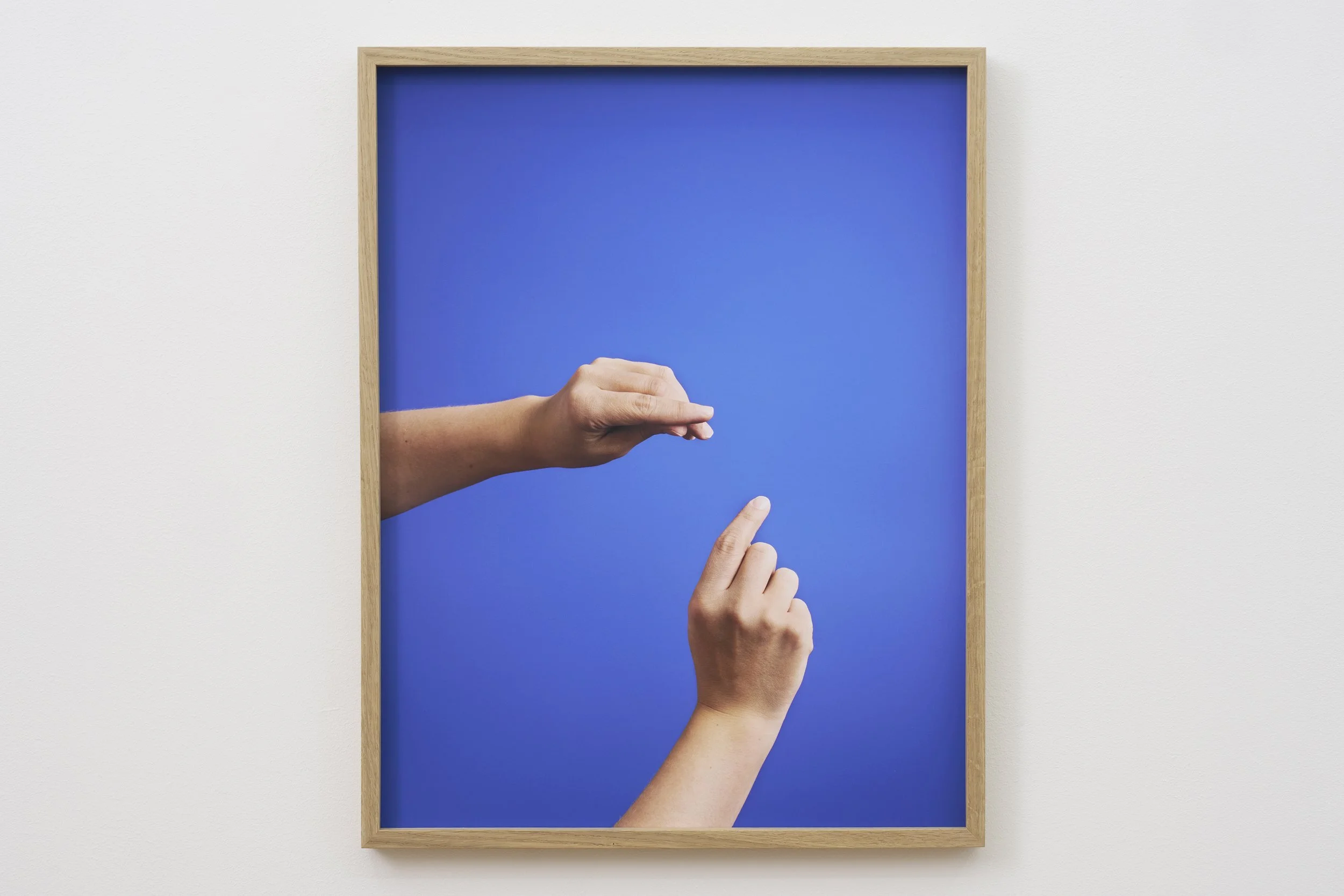
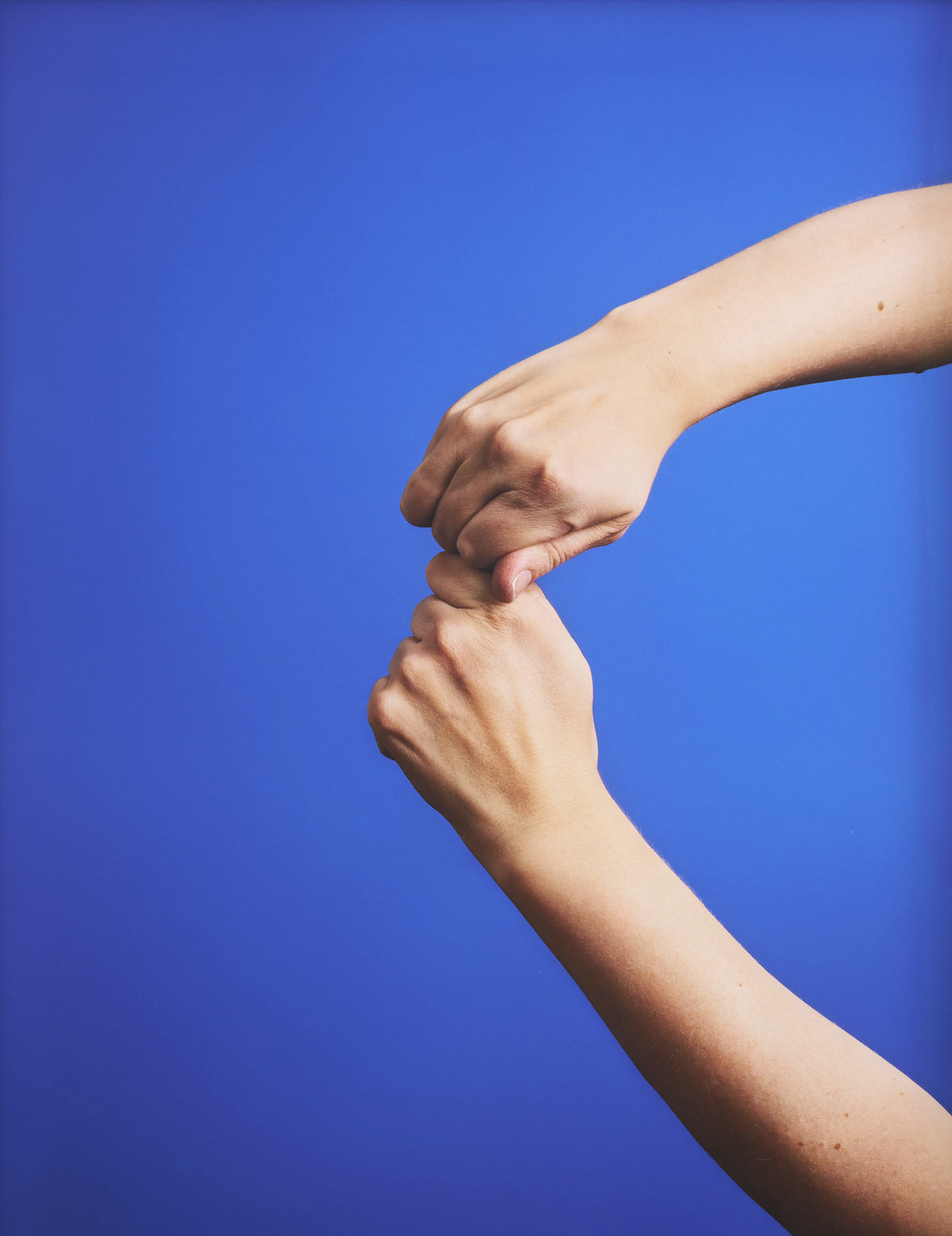
Through the series The Disobedient Researcher, Monica Takvam invites us to reflect on how we learn, share, and experience knowledge. After many years of teaching in higher education, she turns her attention to the structures of learning – questioning the rules, assumptions, and hierarchies that define academic research and education. The series continues her long-standing engagement with themes of language, perception and the body as a site of knowing. Exploring the space between theory and practice, between what can be measured, and what resists categorisation, she questions the conventions of conducting research: the manuals, the methodologies, the systems designed to produce ‘objective’ results. She uses rules as both framework and resistance, working within them, bending them, and allowing them to break. This method of ‘disobedient research’ opens space for subjectivity, softness and contradiction. In her new series of photographs, the expected objects and step-by-step instructions from various handbooks have been omitted. Instead, we are left with gestures and compositions that resist immediate interpretation. With each image stripped of its original context, our brain instinctively searches for patterns and logic.
Shuyuan Zhou
Shuyuan Zhou (she/her, b. 2001) is a lens-based artist and poet currently based in Chicago. Her work critically examines patriarchal structures in East Asian societies, engaging with themes such as intergenerational trauma and domestic violence. Her recent projects explore nostalgia, immigrant identity, and the emotional residue of familial and cultural displacement. Born and raised in China, Zhou holds a B.A. from Duke University and an MFA in Photography from the School of the Art Institute of Chicago. Her work has been exhibited at EXPO CHICAGO, Atlanta Photography Group, and the Center for Photographic Art, among others.
This story begins with my mother. After she was born, her biological parents tried to drown her. She survived, only to be sent away as a child bride. Her aunt shared the same fate—I never knew her real name. She is remembered only through names given by men: by her adoptive father, her husband, her grandson. Her life, like many women’s in the village, was defined by others. My grandmother was the exception, raised as a “son” because no boy was born. Yet she later reproduced the same violence: attempting to kill my mother and killing her younger daughter, until a son was born to fulfill expectations. At ten, my mother was sent back—unwanted, malnourished, and denied education. She endured years of neglect and survived. Across generations, patriarchy inscribes itself onto women’s lives. My grand-aunt lives with resentment, my grandmother with silence, my mother with grief—and I remain entangled in this inheritance. In this work, I reconstruct four generations through staged photographic interventions, blending memory and fiction. By inserting myself into the image, I become both a carrier of trauma and a sign of change.
Alfredo Esparza Cárdenas & Brenda Virginia Castro
Alfredo Esparza Cárdenas: MA in Humanistic Studies, specializing in History by the UV of ITESM (México, 2008). Graduated from the Contemporary Photography Seminary of Centro de la Imagen (México, 2012). He has had solo and group shows in Argentina, Colombia, Iceland, USA, Guatemala, and México. Fellow National System of Art Creators member in México 2021-2124. Northern Exposure Scholarship winner at Medium Photo Festival (San Diego, USA, 2024). Twice recipient of the Art Production Grant from the Municipality of Fjarðabyggð, Iceland (2023 & 2022). Shortlisted for La Bienal en Resistencia 2021 in Guatemala, Guatemala.
Brenda Virginia Castro (Sinaloa, 1983) is a visual artist and member of Mexico’s Sistema Nacional de Creadores de Arte in printmaking (2023–2026). She studied Visual Arts at the Autonomous University of the State of Morelos and attended the SOMA Educational Program in Mexico City. Her practice explores relationships between memory and territory through drawing and textiles, working with plants, natural fibers, and inhabited environments. She has exhibited in Mexico, Canada, Portugal, and Iceland, and participated in residencies at the Banff Centre in Canada and Menningarstofa Fjarðabyggðar, Iceland. She coordinates Flor de Tierra, a collective graphic herbarium project for women.
Action carried out in collaboration with the artist Brenda Virginia Castro in a cotton field, a crop that is increasingly less cultivated in northern México. Still, in other times it generated wealth and abundance, which is why today it is thought of with nostalgia and yearning for those times that no longer exist. Polyptych composed of 10 images in which the artists are documented preparing the land for the next agricultural cycle, and in the process, they throw it on themselves. The photographs are printed on sheets of a 1935 accounting book found in the ruins of the former Panama cotton hacienda. Currently, this property is called “Medio Lote” and is located in San Pedro de las Colonias, México. The shoveling of the soil took place on this farm, which nowadays keeps cultivating a modest quantity of cotton. The performance refers not only to the gradual but continuous replacement of manual agricultural processes by mechanized ones. By using old accounting sheets as printing paper for the photographs, allusion is also made to the unstoppable transition from artisanal procedures of territory administration to technical ones, allowing their industrialization but losing a more corporeal relationship with the land. By using accounting sheets as printing media, there is an allusion to the inexorable transition from artisanal land management processes to technified ones, which allows for industrialization; but at the same time, a loss of physical connection with the land occurs.
Atefeh Farajolahzadeh
Atefeh Farajolahzadeh is an interdisciplinary artist whose practice incorporates photography, video, installation, and writing. Her work explores ideas of place, psychogeography, and liminality, with a particular focus on migration. Atefeh holds an MFA in photography from Columbia College Chicago. She is the recipient of the 2023 Cleveland Arts Prize, and her work has been exhibited at Ground Floor, Hyde Park Art Center’s biennial exhibition, Chicago; Filter Photo, Chicago; SPACES, Cleveland; among others. She is currently a visiting assistant professor at Indiana University in Bloomington.
No Answer represents the desire to merge two distinct places—the motherland and the host land—as well as the impossibility of physical reconnection. The video work are part of an ongoing series, Still Moving, which explores the psychological experience of immigration.
Jad Mabsout
Jad Mabsout is a Lebanese-American designer and photographer based in Houston, currently studying industrial design at the University of Houston. His work moves between product-making and image-making, with a focus on how environments are shaped by memory, displacement, and everyday use. Through photography, he documents lived spaces and moments that reflect endurance and continuity. His design work is also rooted in the same principles of endurance and memory.
These photographs are part of a personal project documenting Lebanon, my home country, in the aftermath of the 2020 Beirut port explosion. Rather than focusing on destruction alone, this series centers on the persistence of everyday life and the quiet, often overlooked forms of resilience that emerged in its wake. Through images of lived-in streets and human presence, I aim to capture how people continue to inhabit and reclaim their environments despite instability. The photographs do not reduce Lebanon to a site of tragedy, but highlight endurance, the resistant act of staying. As a Lebanese-American, this work is not neutral documentation but an act of witnessing. It reflects both grief and continuity, emphasizing that resilience is not a single moment of recovery, but a sustained, collective process. Existence is resistance.
Nyo Jinyong Lian
Nyo Jinyong Lian is a Chinese artist and photographer working between Paris, Shanghai, and New York. Her practice constructs staged photographic situations to examine trust, power, and intimacy as social systems, where private space operates as a site of negotiation and latent politics. Shaped by her cross-cultural positioning between Asian and Western contexts, her work reflects on how subjectivity is formed within these structures. She was awarded the Grand Prize at the 2025 212 Photography Festival and has exhibited at Les Rencontres d’Arles. Her artist book Trust Me was shortlisted for the Fondation Henri Cartier-Bresson Self-Published Photobook Award 2025.
Nyo Jinyong Lian is a visual artist working across staged photography and moving image. Her practice constructs carefully choreographed situations where relationships are tested as systems rather than expressions of emotion. Approaching fiction as a form of social architecture, she develops images that function as speculative models—spaces in which gestures, proximity, and repetition reveal the structures shaping intimacy, trust, and power. Drawing on her cross-cultural positioning between Asian and Western contexts, her work examines how subjectivity is formed within these dynamics. Situated between performance, tableau, and cinematic image-making, Lian reimagines the body as a site where social relations are negotiated, constrained, and reconfigured. Her work invites viewers to consider private space not as neutral, but as a field of latent politics, where systems of control and vulnerability are continuously enacted and challenged.
Carlos Salazar-Lermont
Carlos Salazar-Lermont is a Venezuelan artist focused on performance and socially engaged art. He received his MFA in Visual Arts from the Sam Fox School of Design & Visual Arts at Washington University in St. Louis as a Danforth Scholar (2022), and a dual MA in Arts Administration & Policy and Modern and Contemporary Art History from the School of the Art Institute of Chicago (SAIC), with the New Artists Society full-tuition scholarship. His work has been exhibited internationally in museums, institutions, and galleries across Europe and the Americas. He lives and works in Chicago.
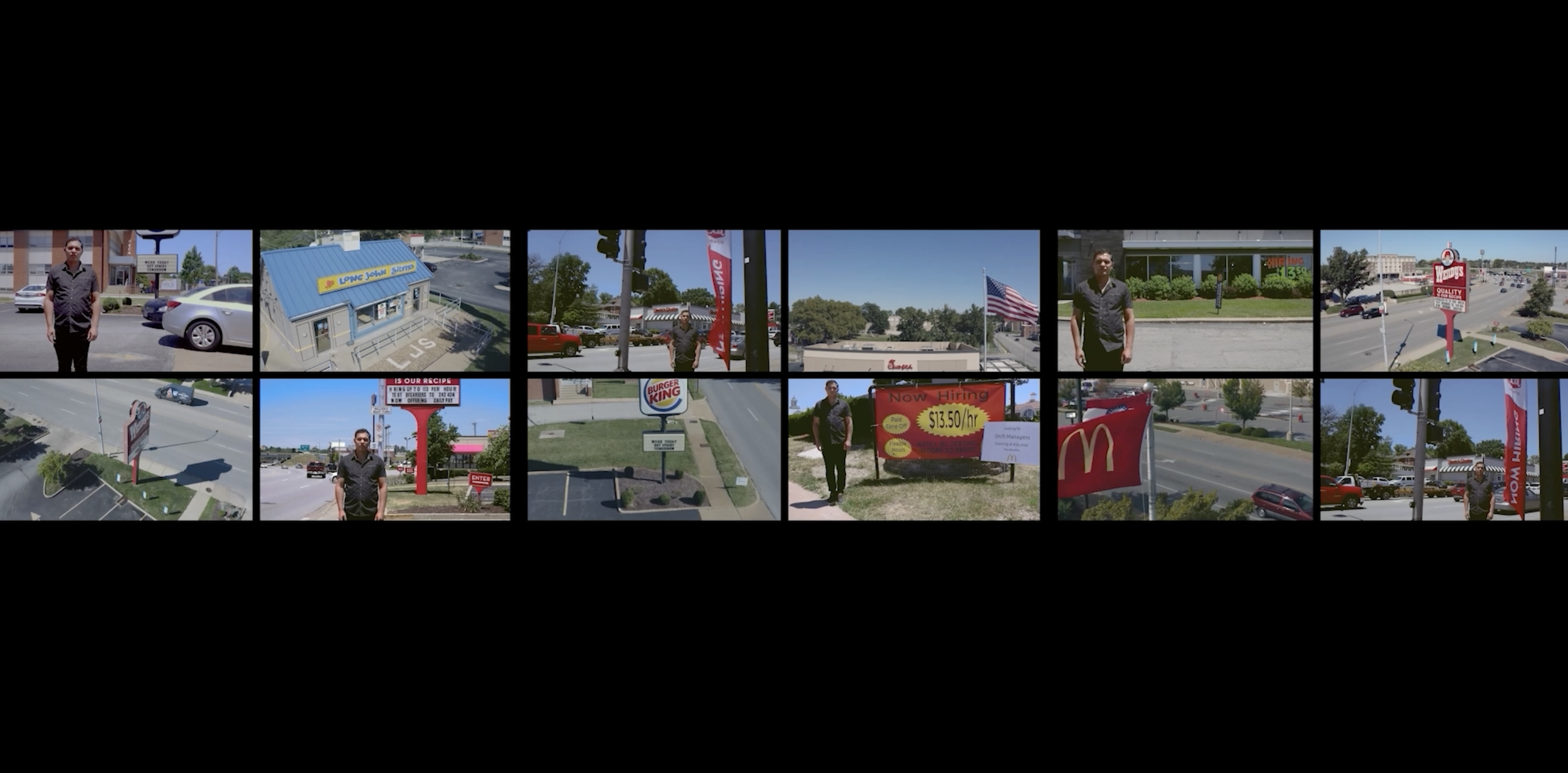
Through my practice, I reflect on Latin America’s historical circumstances by deconstructing the social, political, and economic fabrics that define them. I aim to dismantle dehumanizing myths by visualizing the paradoxes between what is said about us and our reality. I attempt to disclose the underlying Catholic origin of Latin American cultural burdens, such as glorifying poverty, guilt, and self-humiliation. I use visual codes inherited from the colonial process to reveal these structures. The concept of Vanitas appears recurrently in this research. Originating in the book of Ecclesiastes, it states how the ephemerality of life divests existence of any transcendental sense. Performativity is the common thread between these concerns, expressed in a post-mediatic language. I use live performance, photography, video, and other forms of time-based media to express the transformative potential of action. Community engagement is a key strategy in my process. I connect with groups and collectives outside the art world’s mainstream to help bring their stories to the foreground and amplify their voices. My goal is to make my work a pedagogical device from which my audiences and I can learn more about who we are and our place in history in ways that can transform us positively.
Thero Makepe
I am an artist and photographer born and raised in Gaborone, Botswana, working between Cape Town, Johannesburg, and Gaborone. My practice is informed by past and present narratives related to my upbringing and lived experiences in Botswana and South Africa. Thematically, my work explores nihilism, African history and coming-of-age. My approach to photography employs a variety of styles, including staged portraiture, documentary, and re-enactments. I am also a founding member of the Botswana Pavilion, a collective of young artists from Botswana dedicated to advancing Botswana’s creative development and artistic heritage.
My two artworks are a part of a larger ongoing body of work, ‘We Didn’t Choose to be Born Here’. This project explores Botswana and South Africa’s socio-political fabric through a personal lens. Blending staged portraiture, documentary images and re-enactments, I weave personal family stories with national history. For ‘Phomolo Sello’: ‘Phomolo’ and ‘Sello’ are my two middle names. Sello is also the name of my mother’s older brother, who passed away at a young age from poor healthcare during Apartheid in South Africa. My mother had three older siblings who passed away from the same circumstances: a sister and two brothers. In the photograph, the man dressed in white is my mom’s younger brother, who was baptised a couple of years ago. The women around him are my sister, mother and two cousins. So, in a sense, the title implies a self-portrait, but the image itself is a family tableau of remembrance, death, rebirth, and (Christian) spirituality. It mourns my uncles and aunt, who didn’t survive the early stages of life, but it celebrates the life(s) my family has had and continues to have now.
For ‘Father and Daughter’: This is a portrait of my father and my younger sister taken in Tlokweng, our home village on the outskirts of Gaborone. I wanted to capture a tender moment that reflects the relationship between a father and a daughter. Tender moments like that happened often when my sister was still a child, probably more for her than me. However, as my sister and I have grown older, we have drifted farther away from our father, both physically and emotionally. We struggle to communicate with one another, to express who we are in the present and to find points of mutual understanding. In Setswana culture, parents and children are not encouraged to communicate on a one-to-one basis, regardless of the children's age. My father grew up in a home like this, so he is not practised at communicating his feelings. The conflicting body languages in this image attempt to capture the discord that emotional suppression and unaddressed generational trauma can cause in our internal and external worlds.
Wing Hung Lit
Lit is a multidisciplinary artist based in London and Hong Kong, working and exhibiting internationally. In parallel with her artistic practice, she works as an art director, scenographer, and Cheongsam making, which informs her sensitivity to material, craft, and spatial composition. Lit is currently completing an MFA in Arts and Humanities at the Royal College of Art, London, where she continues to develop her engagement with materiality, space, and socially informed practice.
Lit is a multidisciplinary artist working across sculpture, textile, and participatory installation. Her practice explores how care, labour, and bodily resilience are shaped within conditions of mobility, displacement, and contemporary crisis. Through responsive, body-oriented structures, she positions the viewer as an ակտիվ participant, revealing the fragile infrastructures that sustain everyday life. Through photography, Lit extends her work into a new context, rethinking performative and wearable sculpture as image-based encounters. Rather than serving as documentation, the photographic frame becomes a space of translation, where action, tension, and gesture are condensed and rearticulated. The five selected images, drawn from her performative and wearable sculptures, communicate a shared visual language of control and resistance. Actions such as touch, breath, and repetitive labour—central to her sculptural practice—remain visible as traces within the image, holding a sense of duration within stillness. Informed by her background in scenography and garment-making, she approaches composition with sensitivity to surface, reflection, and the relationship between body and material. Through this shift, photography becomes a means to carry her work across contexts, extending its reach while preserving its embodied and conceptual intensity.
Brian Edwards Jr.
Brian Edwards Jr. is a Texas-based multidisciplinary artist whose practice centers on the preservation and documentation of Black life across the American South. Working primarily through photography, he creates images that function as both record and reflection, tracing relationships between land, memory, and identity. His work explores the visual language of Black life, focusing on rodeo communities, rural geographies, and inherited traditions. Moving between portraiture and landscape, Edwards emphasizes stillness and the quiet weight of history embedded in place. He approaches photography as visual stewardship, building an evolving archive that positions Black Southern life as foundational to the American landscape.
On My Way Home is an ongoing body of work that anchors my practice, using photography to engage Black Western life across the American South. My work moves between portraiture and landscape to examine how labor, tradition, and community shape both individual and collective experience. Working within rural geographies and rodeo communities, I am drawn to moments of stillness, nuance, and quiet beauty, where the relationship between people and land becomes most apparent. Operating between documentary and conceptual approaches, I treat photography as both evidence and interpretation. The work functions as an evolving archive, holding memory, lived experience, and continuity. Rooted in my own upbringing and connection to these spaces and communities, I make this work carrying forward what I’ve inherited and what continues to shape us, grounding Black western culture within the landscape as present, enduring, and foundational.
Justin A. Carney
Justin A. Carney is an artist whose work explores memory, family, and the ways history is carried across generations. Working across photography, archival materials, and material processes, his practice questions what images can hold and what remains unresolved, focusing on presence, absence, and memory's instability. His work has been exhibited nationally and internationally, in venues such as the Museum of Art Fort Collins, Aurora PhotoCenter, Photo London, and the Center for Photographic Art. He is also the recipient of the LensCulture Art Photography Award and the Beckmann Emerging Artist Fellowship, and his work is held in several public collections.
Those Left Behind is a photography project and forthcoming photobook that questions how the death of a loved one reshapes bonds that hold a family together. After the passing of my grandmother, the center of my family's world, I began documenting the quiet changes that followed among her children: the ways relationships shifted, how people slowly returned to one another after loss, and how my grandmother's presence continued to live within those left behind. Through contemporary portraits, photos of domestic spaces, archival family images, and interview excerpts, the work considers how memory and connection are carried through gestures, habits, and everyday environments. Photographs made in the present are placed in dialogue with archival images, creating visual connections across generations and beyond death. These pairings reveal how traces of the past persist and how familial connections continually shift. While focused on my own family, the project speaks to broader questions about grief, memory, and community. Those Left Behind asks what holds families together, what causes them to separate, and how individuals navigate the fragile process of rebuilding connection, of rebuilding community. The book reflects on how memory and presence endure beyond death, shaping the identities and relationships of those who remain.
Robert Chase Heishman
Robert Chase Heishman is a conceptual and experimental artist working across photography, film/video, and painting. Raised in a lineage of bricklayers and farmers, his practice carries forward a tradition of construction and cultivation — treating photographs as both object and inquiry, examining labor, authorship, and perception between images and reality. His collaborations with Merce Cunningham, Michael Rakowitz, Megan Schvaneveldt, and Brian Maguire continue to shape his practice. His work is held in the collections of the Walker Art Center and the Nelson-Atkins Museum of Art. He holds an MFA from Northwestern University and a BFA from Kansas City Art Institute.
My practice centers on photography — conceptual and experimental — treating the photograph as object and inquiry. Raised in a lineage of bricklayers and farmers, I carry forward a tradition of construction and cultivation, examining labor, authorship, and perception in how images are made and circulated. _IMG (2012–present) uses tape and forced perspective to construct compositions across floors, walls, and objects. They resolve only through the camera's single vantage point that collapses three-dimensional space into a flat image. The construction can take days and exists, complete, only in the instant of the shutter. Each piece invites viewers to slow down and notice the slippage between image and reality. Memory Colors (2025–present) draws from the photographic color card's "memory colors" — standardized hues in color science (blue sky, foliage, skin tones) that humans recognize and recall. Presented as near-monochromes, they no longer confirm visual accuracy but operate as memories of reality — echoes shaped by shifting environmental and cultural conditions. Etched Braille on non-glare plexiglas functions as described media rather than translation — a parallel channel recording sensory and temporal information outside the frame. The image and the text are parallel, not identical: two distinct ways of mediating the same moment.
Marina Cavadini
Marina Cavadini is a visual artist based in Milan, where she teaches at the Nuova Accademia di Belle Arti. She holds an MFA in Sculpture from the School of the Art Institute of Chicago and an MA in Visual Arts and Curatorial Studies from NABA. She is a recipient of the Eldon Danhausen Fellowship in Sculpture and has been an artist-in-residence at Nida Art Colony (Lithuania), ACRE (Wisconsin), and Casa Vettese–Donati P11 (Tuscany). Since 2018, she has been part of ALTALENA collective. Her research unfolds through a multidisciplinary practice that engages with ephemerality, seduction, intimacy, and relationships with the rural.
Marina Cavadini’s research combines organic and inanimate matter, involving processes of extinction, mimicry, and symbiosis. With a surreal and erotic tone, her work invites one to experience the post-natural realm as a viscous dimension that tends to gratify but simultaneously unsettles. Tactile and intimate experiences are to be perceived in terms of intensity. Close-ups and static poses follow one another without a narrative; there is no beginning or end. When meaning is not subordinate to the concept, subjects and visual impressions are amplified. Awe for textures and details induces an alteration of consciousness and evokes the drifting and disjointed nature of the present experience.
Luciana Demichelis
(Ensenada, 1992) Argentine photographer of non-binary identity. Selected as one of the '15 most promising emerging photographers from around the world' compiled by the British Journal of Photography 'Ones to Watch' 2023. Graduated in Communication specializing in Journalism from the National University of La Plata and a Master’s in Contemporary Photography from LENS School of Visual Arts - Universidad Europea Miguel de Cervantes (Madrid) (Madrid), in her projects they investigate the Latin American imaginary, technology, rituals, dissident identities and the political value of the party.
How can we envision technological sovereignty in space during these challenging times for our region? The LTEUSDLL project (The Earth is a satellite of the moon) is a photographic essay that explores how Latin American satellites offer a space alternative and represent the capacity of this region to dream. What is a satellite for? What does it mean symbolically and culturally? Among other uses, satellites observe the earth to provide images. They can show the severity of an oil spill, they allow us to see how human beings modify geographical space over time. To date, North American companies have sent 4,300 satellites into space, while Argentina, the country where I come from, has sent almost 30 satellites in its entire history. In order to create a global satellite internet network, with its consequent monopoly in technological terms, the large internet services of the global north seek to sell their service to the countries of the South American region at a very high cost while polluting the land with thousands of satellites. With a political view of the imagination, I am interested in mixing photography and fiction to think about new perspectives within documentary photography.
Michael Catarineau
Michael Catarineau is a Houston-born Texan that will take a photo of just about any person, place or thing. He likes cats, the desert, finding shapes in the clouds and watching paint dry.
Can these bones live? I make a yearly return to the Big Bend to reflect on the previous year, clear my mind and soak up the constellations that get lost in Houston’s milky purple night sky. This last trip was heavy with grief. I was — have been/am still/will always be — grieving the loss of my mother; I was grieving the loss of potential — in me, in relationships, in both the world around me and far out of my grasp; I was grieving my perceived missed experiences, which were lost for a myriad of reasons. This desert used to be an ocean. I wonder if it grieves the water. Now it’s something different. Forever changed, but still beautiful. Still home to abundant life. Still beloved by many. Still Texan (if you believe in that sort of thing). The desert grieves the rain, I’m sure, but the rain always returns. I always return. Year after year. I stand at the base of these mountains. The dry desert stretched out behind me. The foothills surround me. Everything thirsts.
Kennedi A. Carter
Kennedi Carter (b. 1998) is a lens-based artist working across photography and digital media. Born in Charlottesville, Virginia, and raised in Durham, North Carolina, her practice engages archiving as both method and metaphor, preserving and reimagining Black life in the American South. Rooted in an interest in Southern life and Black religious practice, her work draws from vernacular traditions, spiritual ritual, and memory. Carter examines the aesthetic and sociopolitical dimensions of Black experience, foregrounding intimacy, texture, trauma, pleasure, love, faith, and community. Her images challenge dominant ideas of beauty and position Blackness as expansive, self-defined, and generative.
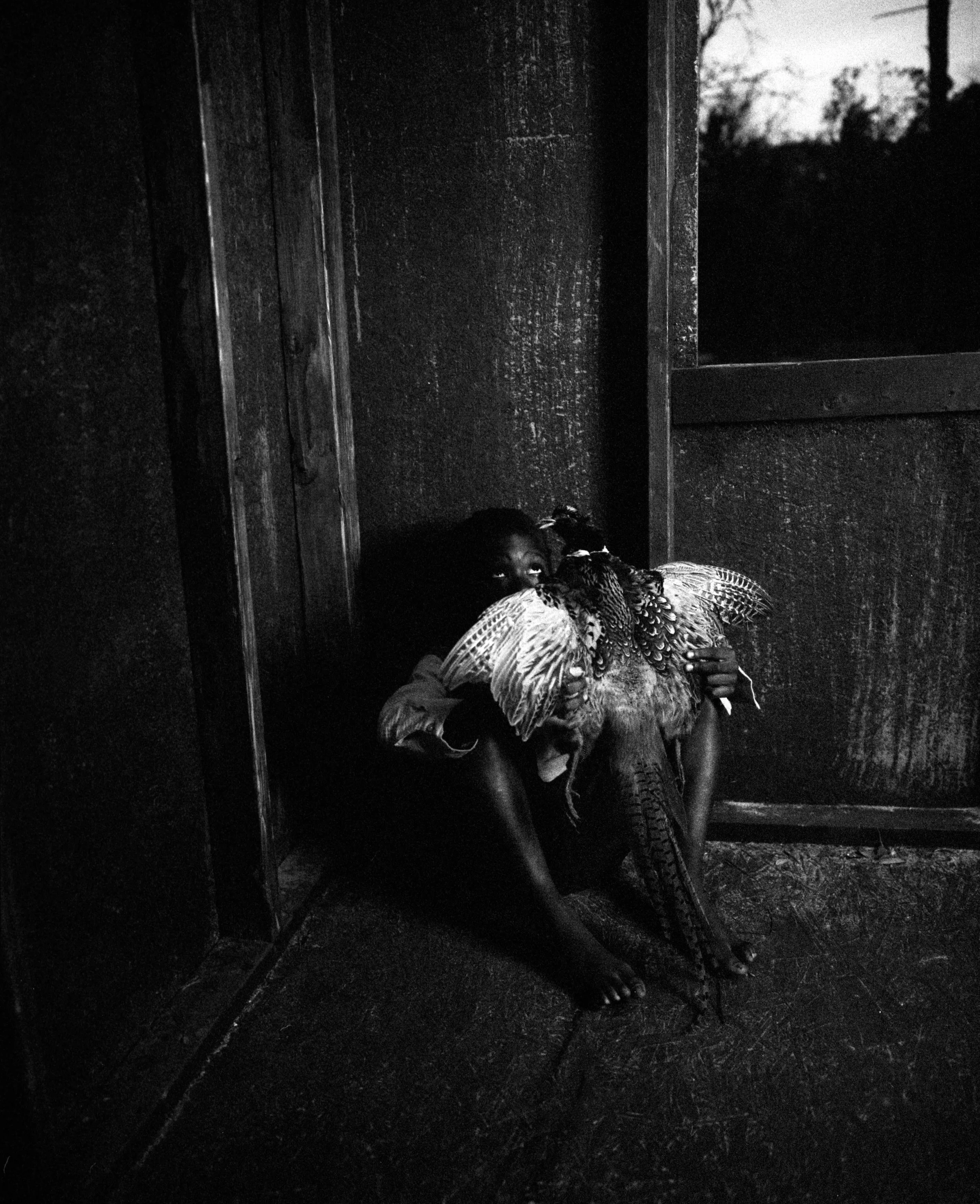
The culture of the Gullah Geechee corridor conjures live oaks draped in Spanish moss, the sweetest low country spirituals carried through humid air, and the slow, wading movement of Black folk in water. What endures here is not produced by the landscape, but carried within the people—Africa held through language, ritual, and ways of being. Shaped by maroonage, the corridor holds an ecology where land, water, and spirit remain in relation with those who inhabit it. This project takes its title from a Gullah Geechee proverb: “The water bring we… the water wanna take we back…” Water operates as rapture and return—a violent taking and spiritual threshold through which Africa is severed yet reconstituted. Transatlantic passage marks an apocalyptic break, a cosmological undoing, but within rupture new systems of relation, memory, and spirit are forged. The work searches for Africa within the Low Country—not as a distant origin, but as something conjured, practiced, and lived. Drawing on cosmogram and conjure traditions, the photographs trace spiritual systems that collapse boundaries between living and ancestral realms. Diasporic knowledge persists against erasure and precarity, memory becomes an active practice of survival -- past and present converge in the sacred cartography of the corridor.
Gabi Magaly
Gabi Magaly is an emerging artist from Bryan, Texas, currently based in Houston. She earned her BFA from Sam Houston State University in 2015 and her MFA in Visual Arts from the University of Texas at San Antonio in 2020. Working primarily in photography, she also incorporates sculptural installation and embroidery. Her solo exhibitions include TCU Gallery, Temple College, Presa House Gallery, and Casa Lu in Mexico City. Her work has appeared in group exhibitions across the U.S., Mexico, and Germany. Magaly is a two-time CAMMIE award recipient and has served on the SPE and TPS Boards of Directors.
Inspired by her journey, reclaiming her identity and strength after a 12-year relationship with her ex. Magaly examines the complexities of life outside traditional societal roles, such as the nurturing caregiver, submissive wife, or self-sacrificing mother in her current project. She explores solitude not as a void but as a source of personal fulfillment and empowerment, redefining what it means to exist beyond these culturally ingrained expectations. Through evocative imagery that draws from Mexican-American cultural iconography, such as strong emotions and memories tied to identity, tradition, and personal experiences. Magaly honors the resilience of Chicana women and her ancestors, transforming the concept of Soledad (solitude) into a journey of self-love and liberation from generational trauma. Magaly is reclaiming soledad, challenging the notion of solitude as loneliness and redefining it as a space for growth, empowerment, and self-discovery. Through self-portraits, immersive installations, and performative elements, her work emphasizes the strength and beauty found in embracing one's individuality outside societal expectations.
Aiko Wakao Austin
Aiko Wakao Austin is an interdisciplinary artist whose multicultural upbringing informs her exploration of identity and cultural memory. Born in Tokyo and raised in Italy, she received a B.A. in International Relations from Brown University. After graduation, she worked in Japan as a journalist for Bloomberg and Reuters, and later in finance. Austin moved to New York in 2016 and began photographing professionally. Her project, “what we inherit,” has been recognized internationally, including Top 10 Winner of LensCulture Critics’ Choice, Critical Mass Top 50 and FRESH KLOMPCHING Edition. She currently lives and works in New York.
My photography explores the concept of identity and culture. Having moved in and out of Japan since I was a young child, my own identity is multifaceted and floats between cultural boundaries. Focusing on themes such as language, memory and heritage, I document details that show where we came from and where we’ve been, and try to explain how those experiences shape my understanding of the world around me.
Lexi Parra
Lexi Parra is a Venezuelan-American photographer, editor, and educator based in Houston, TX. She is a freelance photojournalist working across the Americas with outlets including The Washington Post, NPR, and The New York Times. Her work explores youth culture, migration, inequality, violence, and resilience. She is supported by organizations like Magnum Foundation, Getty Images and the Pulitzer Center. Parra is Community Manager at Women Photograph, leading its mentorship program, and founded Project MiRA, a photography education initiative for young women in Caracas.
Faith and Detention follows the Ambrocio family as Mauricio, a beloved husband, father and pastor, was detained by immigration officers. In the swamplands of rural Central Florida, devout churchgoers attend church service every Sunday where Mauricio was a community pillar. His eldest daughter, Ashley, leads sermon. His wife has recurring dreams that he is home - only to wake to the stark reminder that he isn’t there. Surrounded by their community, the Ambrocios navigate what is next. This is one chapter of a long-term project, Sueños. Sueños (Dreams) is a multi-media project made in collaboration with NPR correspondent Jasmine Garsd that explores the symbolic and emotional landscapes of migrant communities living under the weight of shifting, often inhumane American anti-immigration policies.
Anselm Ebulue
Anselm Ebulue is an artist and educator based in London. Ebulue holds an MA in Photojournalism and Documentary Photography from the London College of Communication. In 2019 he was awarded the Magnum Photos Intensive Documentary Scholarship and has been a winner in the 2018 and 2020 Portrait of Britain Award. He was shortlisted for Palm* Photo Prize in 2024 and awarded the Bradford City of Culture Commission from Impressions Gallery in 2025. His work has been exhibited and published internationally with clients including The Guardian, The New Yorker, Financial Times, Kinfolk and Red Bull.
Whims of the Rye is a photography series centred on Peckham in south-east London, where Ebulue has been a lifelong resident. Ebulue’s approach seeks out the tension between his own memories and the visceral discomfort that comes with the powerful forces of change, expressing a sense of loss and mourning for an area at odds with gentrification. Concerned with themes of legacy, perception and memory, the work highlights the Black communities present in the area through portraiture while providing a historical context for the negative racialised overtones that continue to persist today. Peckham remains a place of cultural significance for the African and Caribbean diasporas in London. Ebulue makes a point in elevating that significance through quiet moments of stillness and beauty.
Chantal Lesley
Chantal Lesley (she/her) is an Austin-based artist and first-generation American from the Rio Grande Valley, born to Peruvian and German immigrants. Her work explores identity, belonging, and social issues shaped by her multicultural experience. Lesley earned a BFA in Fine Art Photography from Texas State University in 2021 and has exhibited across the U.S., at institutions such as the Houston Center for Photography, Craighead Green Gallery, and Touchstone Gallery. She has participated in residencies such as LATITUDE, Vermont Studio Center, kala, and Château d'Orquevaux.
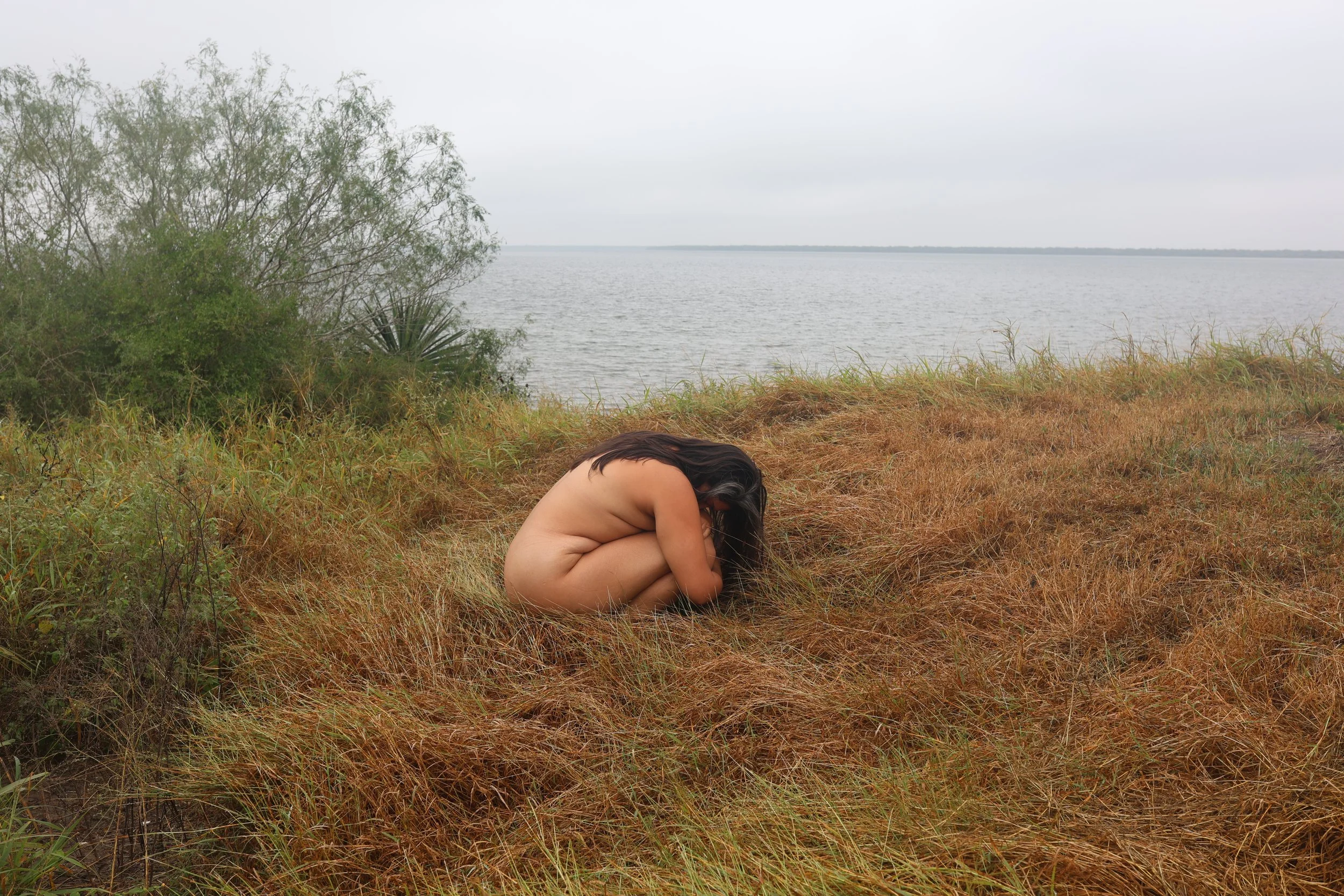
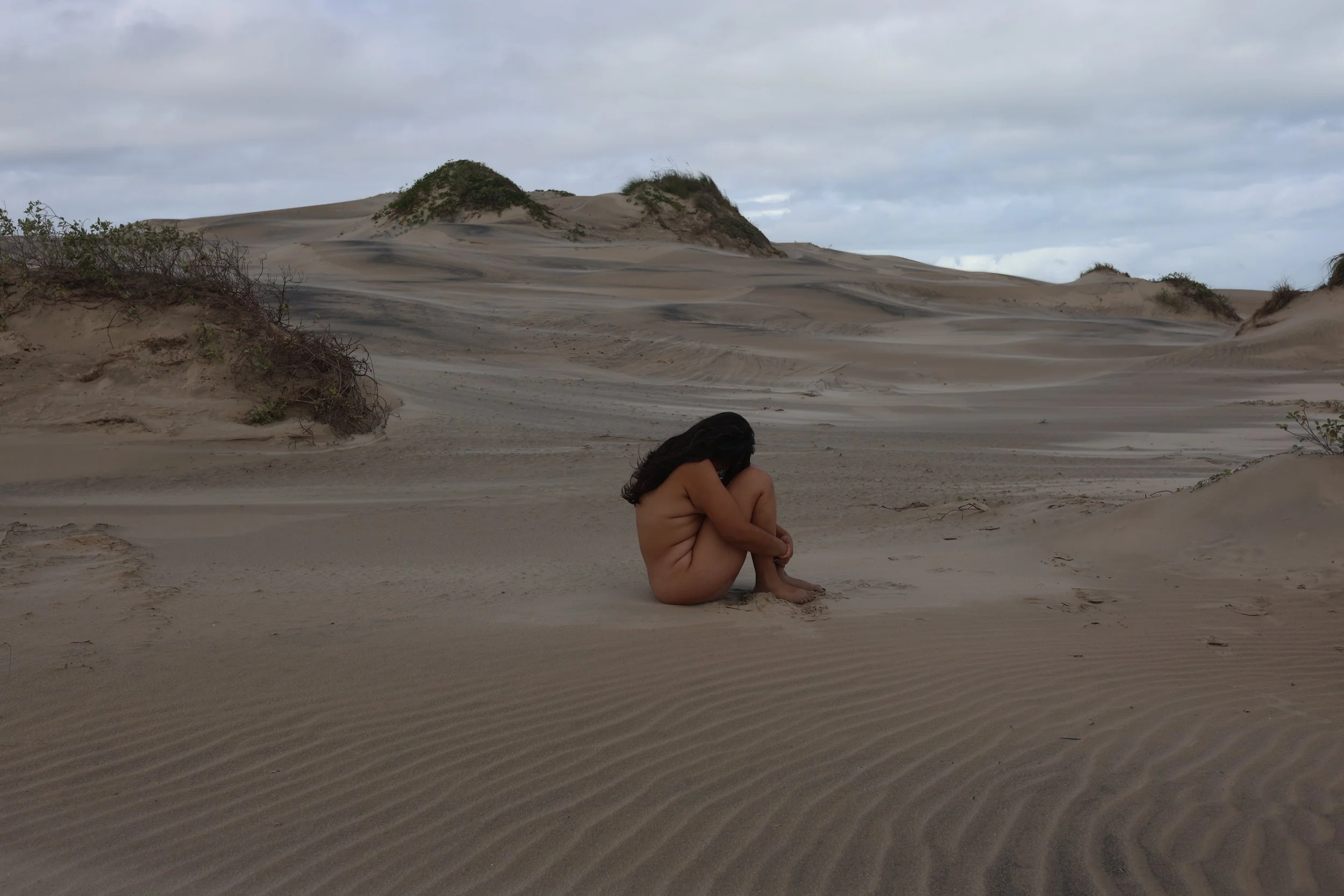
This work is informed by the Andean concept of Pachakuti, a Quechua word that signifies both upheaval and renewal, the turning of the world. In Andean cosmology, pacha encompasses time, space, and the cosmos, while kuti refers to return, reversal, and transformation. Together, they describe moments when the established order collapses, giving way to cycles of destruction and regeneration.
Depicting a body folded into the earth, the figure exists in a liminal state between surrender and rebirth. It embodies Pachakuti as a space where decay and growth coexist, and where endings and beginnings become inseparable. The nudity strips away external markers of identity, reducing the body to its most elemental form, vulnerable yet grounded, fragile yet resilient.
By connecting my body to the land, I engage with Pachakuti not only as a cosmic event, but also as a deeply personal and ancestral one. The work acknowledges rupture, colonial, cultural, and personal, while holding space for renewal. In the act of returning to the earth, the possibility of transformation emerges.
Myah Asha Jeffers
MYAH ASHA JEFFERS (b. 1994)is a London based award-winning photographer and filmmaker. Renowned for her distinctive portraiture and social documentary visual work, she often seeks to witness and document the Black quotidian through themes of queerness, memory, grief, ritual and kinship. Jeffers ’ photographs have been featured in a host of publications including VOGUE, The Guardian, ELLE, The Sunday Times Magazine, and British Journal of Photography. Her artwork has received much acclaim and won numerous awards, among which are The Joan Wakelin Bursary Prize (Royal Photographic Society), Photography Foundation Award, Portrait of Britain Award and the Visual Studies Workshop Artist Residency.
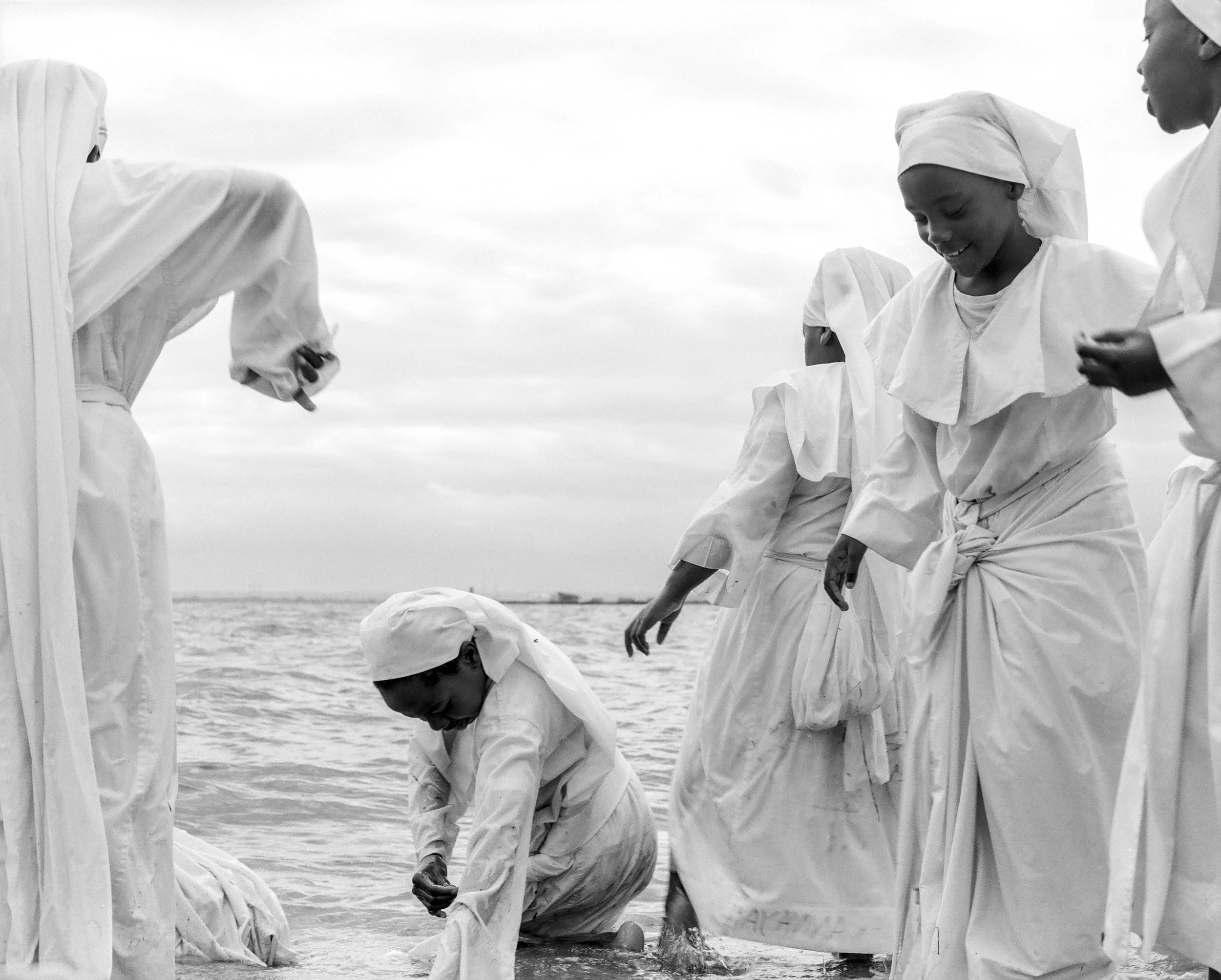
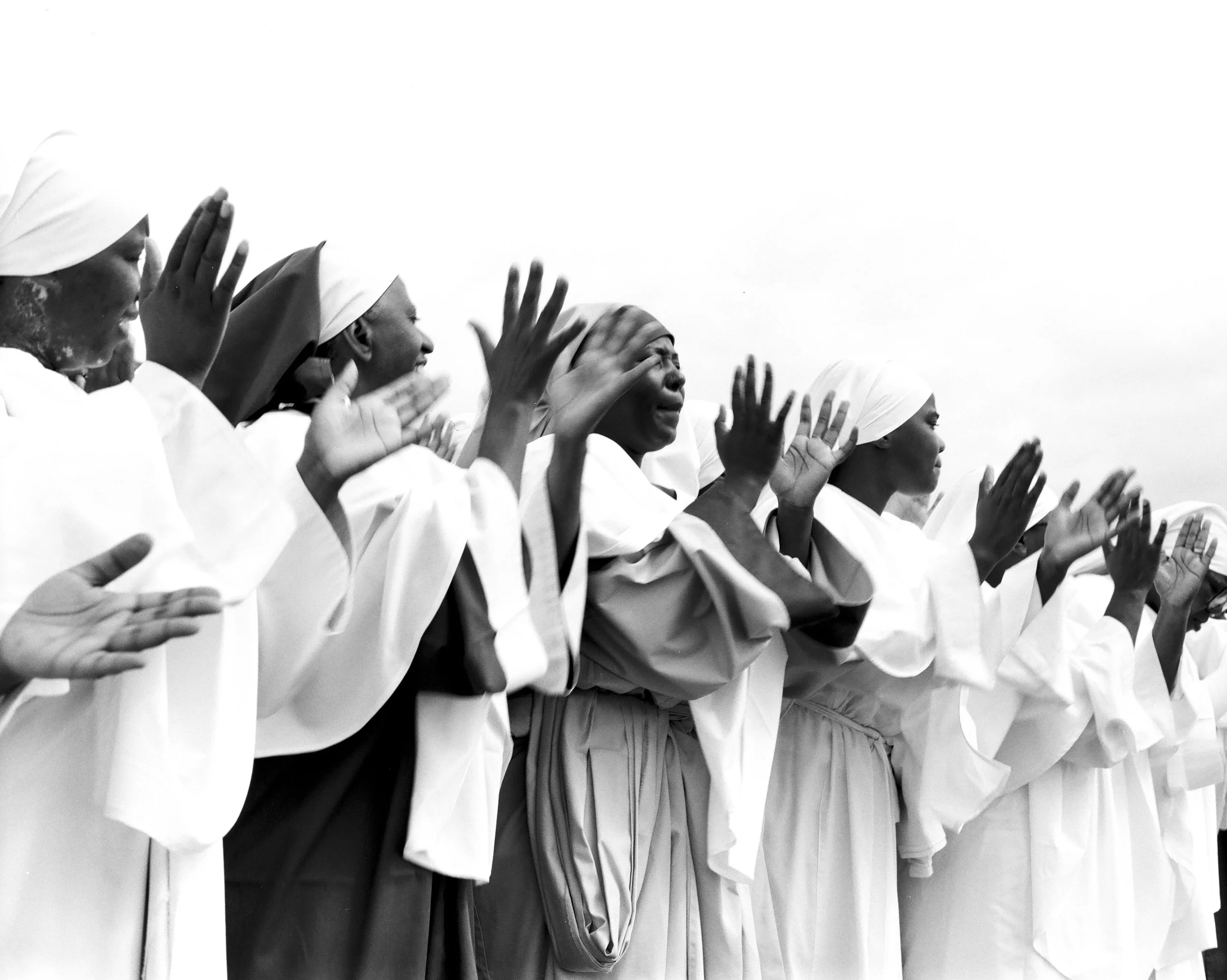
The submitted photographs are part of two photographic projects The Apostles (2025 – ongoing) and Returning to Soil (2021 – ongoing). “The Apostles” is my newest series documenting the world of The Apostles of Muchinjikwa, a community of mainly Zimbabwean descendent churchgoers based in the United Kingdom, who uphold Christian Apolistic practices hailing from Southern Africa. Characterised by their distinctive white garments and traditional customs, this series specifically focuses on the “Jorodhani” an annual major baptism ceremony inviting members of the apostolic church to South End on Sea to sing, dance and worship for many hours. South End on Sea is a British seaside town, known for its right-wing conservatism and hostility towards communities of colour. The church's presence here is an act of resistance. Something that I’ve aimed to document photographically. “Returning to Soil” explores the traditions of Black Caribbean and African diasporic funerals in Britain. This work specifically focuses on the quiet moments of solitude, ancestral acts of ritualised service and poignant moments of connection - thus, contributing to the long-standing histories of the Black family archive.
Valentine Ollawa
Valentine Ollawa is a Nigerian-American photographer whose work explores how identity is transformed through migration, memory, and history, and the tension between what is carried and what is left behind. He creates richly detailed photographs of daily life that confront the migrant experience, as acts of resistance and survival. He's held solo exhibitions at Lone Star College-Kingwood and the University of Houston-Downtown and participated in juried group shows at the Houston Center for Photography, The Print Center, and Avondale Art Center, among others. Selected for the Eddie Adams Workshop Class of 2025 and the 2024 CENTER Annual Santa Fe Review.
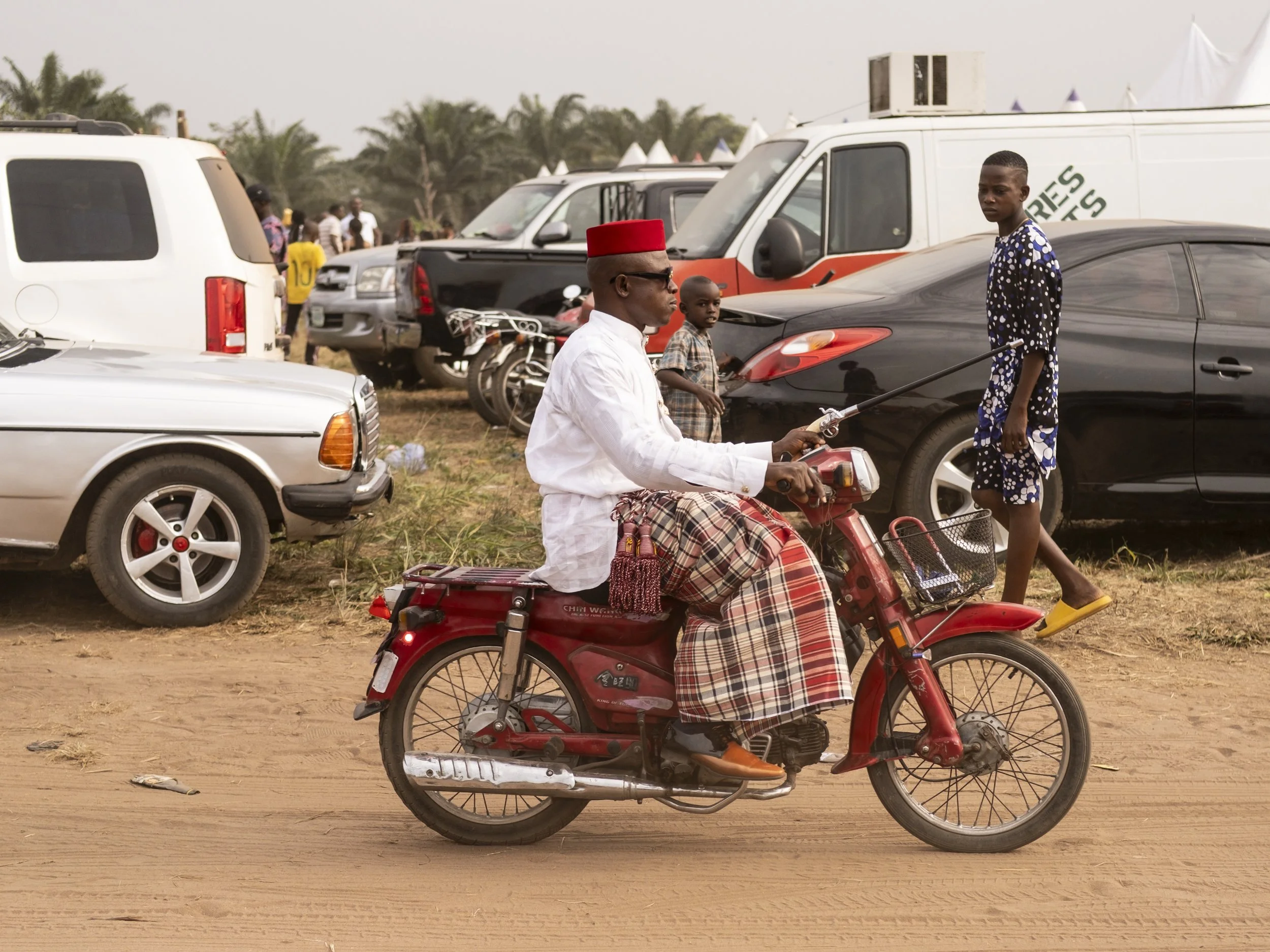
I Built This House For You meditates on the hidden sacrifices of migration and the quiet negotiations of carrying one’s hopes forward. The "House" becomes both a refuge and the sacrifices endured on the journey towards belonging and achievement. Becoming a site of tension where memory, ritual, and the politics of identity are negotiated across distance, between continuity and adaptation. Drawing on my personal journey migrating from Nigeria to the US, this work documents the ordinary moments of daily life while balancing the urgency within migrant communities to maintain continuity of tradition and identity. These images hold the tension between memory of home, the present, and the future.
Robert Drea
Robert Drea was Chair of the Photography and Digital Media Department of the American Academy of Art College, 2007-2023. At the Academy he developed a course of study in photography, eventually writing curricula for an eight-semester program. His self-directed national survey of fifty gun violence survivors photographed at the site of the shooting, Wounded in America, was paired with first person accounts compiled and edited by the writer, Stephanie Arena. WIA was exhibited at the University of Chicago, 2004, the National Civil Rights Museum, Memphis, 2006, University of California, Los Angeles, 2008, and Grace Cathedral, San Francisco, 2009.
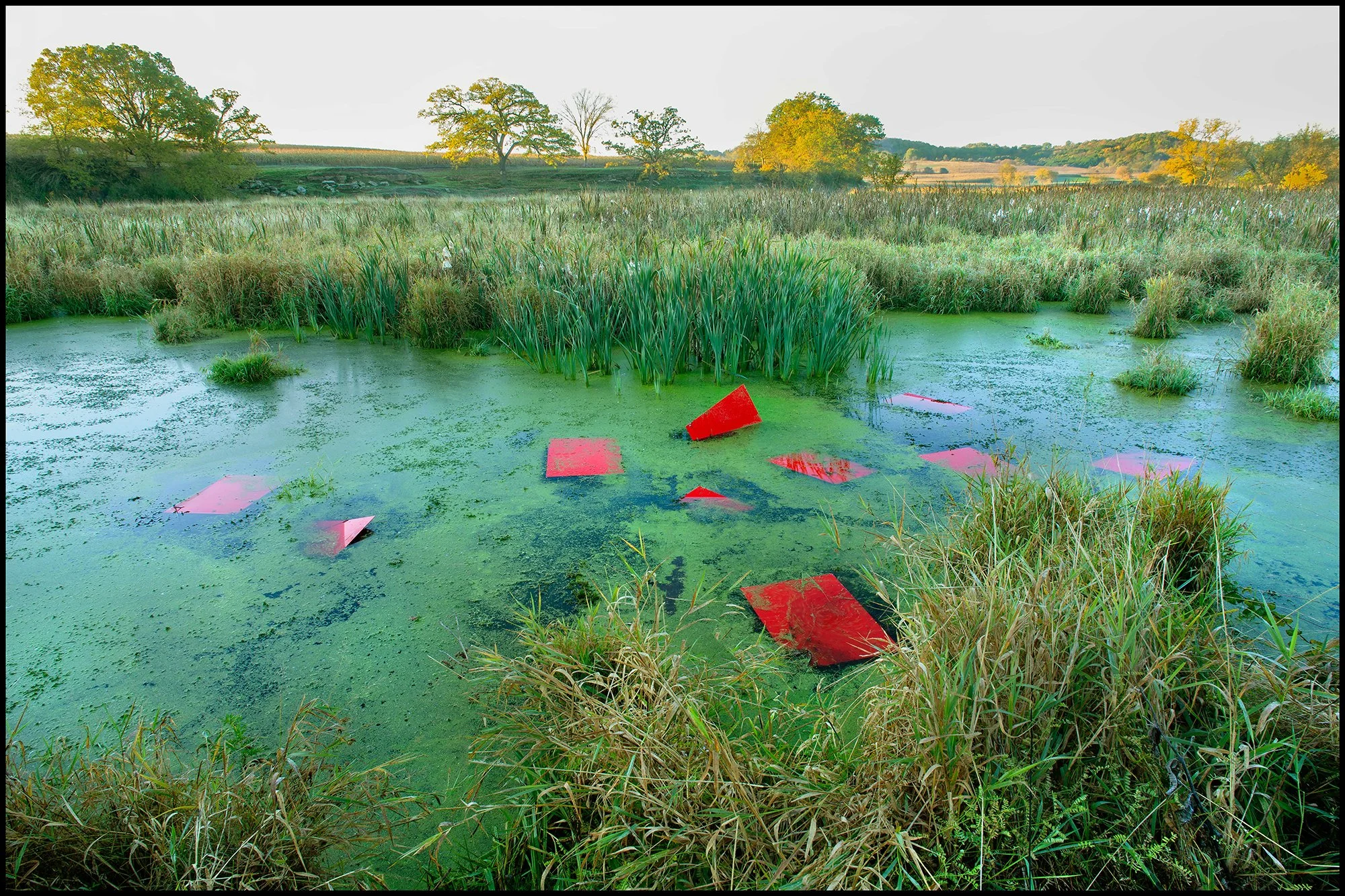
Driftless: Landscape Interventions in Southwest Wisconsin Within densely wooded hillsides, now overgrown pastures, amid order of tended fields, I witnessed a landscape transformed by seasons and by measured entropy in nature and built environments. The photographs made on this terrain mark my frequent returns to the Driftless Region of Southwest Wisconsin, a unique topography that escaped glaciation during the last Ice Age, a phenomenon that created steep hills, river valleys and limestone bluffs. With a 160-acre dairy farm, five generations of my family committed a Driftless Region property to productive use on our curvilinear land. The photographs made on this land over twelve years are experiments testing the integration of visual expressions with this landscape, with objects long identified by me with a sense of this place. The photographs examine the singular strength of still photography to signify place and time. Each photograph recalls a passed wish to create a brief intervention with nature’s own order.
Emilia Martin
Emilia Martin is a Polish artist and photographer based in The Hague (NL). Rooted in the belief in the power of storytelling passed down with her ancestral heritage, Martin weaves narratives that challenge binary definitions of truth and fiction with the intersectional use of photography, writing, sound and sculpture. Through her artistic lens she navigates the landscapes of oral storytelling, myths, legends and rituals, reflecting on their roles in forming and upkeeping societal structures and ways of relating to one another as well as those more-than-human.
She graduated from the Photography & Society Master’s program at the Royal Academy of Art (The Hague) in 2022, with an academic background in literature and poetry. Martin works from her studio at Stichting Daisy Chain in the Hague as well as internationally. Her work “I saw a tree bearing stones in the place of apples and pears” was published as a book in 2024 by Yogurt Editions and exhibited internationally in the contexts such as Rencontres d'Arles 2025, LUMA Arles at the Renconres d'Arles 2024 as the finalist of Dior x Luma Award, Fotofestiwal Łódź 2025, Photo Museum Ireland, 2025, amongst others. She is one of the founders of Radio Echo - a feminist radio collective focused on reverberating diversity of voices.
"The Serpent’s Thread" (2024 - now) As a child, I spent countless hours observing my grandmother, a Polish countryside textile worker, stitching together scraps of material into objects that were new, wonderful and soft. In the same way a storyteller weaves many elements into a tale, her textiles consisted of many threads. Never formally educated to write due to gender politics at the time, her textile works were her language, carrying a knowledge of generations of women before me. Once she passed away, all her textiles, deemed as of no value, were discarded or lost.
This work emerges from this absence: building on the missing archive, I trace other histories of women whose textiles speak where written records fall silent. Grounded in Saidiya Hartman’stheory of critical fabulation, I approach the archive as a site for both research and speculation."The Serpent’s Thread" weaves the story of my grandmother with the fragmented histories and folklore surrounding the five Andersson sisters, who lived in Sweden at the turn of the 20th century. Their history, partly documented and partly mythologised, revolves around the textiles they produced as their elaborate dowries. They were meant to demonstrate a woman’s skill, diligence, and moral worth, representing her value as a potential future wife. Their unconventional lives invited speculation and local mythologies. Mirroring my grandmother’s lost works, these textiles exist between presence and absence, fact and fiction. Like a woven fabric, the project interlaces archival material, staged imagery, and textile-based photographic interventions to reconstruct layered (hi)stories: ofwomen makers, rebels, and those whose voices have been overlooked, devalued, or erased.
Questions?
For questions about this exhibition, please contact Exhibits
Exhibitions and Programs Coordinator, at exhibits@hcponline.org or 713-529-4755, ext 16.